
EPA filing shows Tesla Cybercab is unusually light and efficient
New EPA paperwork lists the Cybercab at 3,113 pounds with a 48 kWh battery and energy use of 165 Wh/mi, according to The Verge.
By James Whitfield · Staff Writer
3 min read
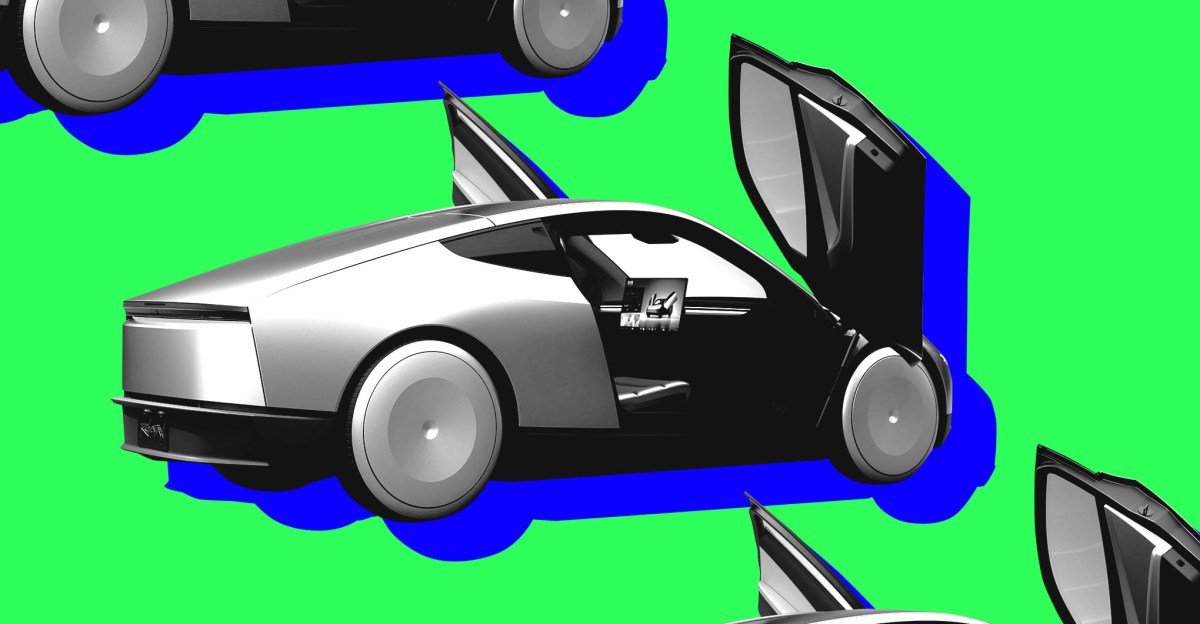
Tesla’s Cybercab has moved through a key U.S. certification step, with Environmental Protection Agency paperwork laying out core specifications for the autonomous two-seater. The filing matters because it gives the clearest public look yet at how Tesla is building the robotaxi: small, light and built for low energy use.
According to EPA documents cited by The Verge, the Cybercab uses 165 watt-hours per mile. The Verge reported that figure would make it the most efficient Tesla vehicle produced so far and nearly 30 percent more efficient than the Lucid Air sedan.
The EPA certificate, filed May 21 and first spotted by Car and Driver, is part of the process required before a vehicle can be sold in the United States, according to The Verge. The paperwork lists a front-mounted permanent magnet motor rated at 219 horsepower and confirms the Cybercab uses front-wheel drive.
The filing also lists a 48 kWh battery pack operating at 326 volts, according to The Verge. That is a comparatively small battery for an electric vehicle, but the Cybercab’s low weight helps explain how Tesla can claim high efficiency from it.
A much lighter Tesla
The Cybercab’s curb weight is 3,113 pounds, according to the EPA filing reported by The Verge. That makes it about 700 pounds lighter than the lightest Model 3 currently on the market, The Verge reported.
The Verge attributed some of that reduction to the Cybercab’s design as a fully autonomous vehicle. The vehicle does not include a steering wheel or many conventional controls, equipment that would be unnecessary in a robotaxi designed to operate without a human driver.
Electric vehicles often carry more weight than comparable gasoline cars because large battery packs are used to reach ranges above 300 miles, The Verge reported. The Cybercab, by contrast, comes in around the weight of a compact gasoline-powered car while still carrying a lithium-ion battery pack, according to the report.
Robotaxi plans still developing
The Cybercab is intended to be a small autonomous taxi, according to The Verge. Tesla has begun production of the vehicle, The Verge reported, though the company’s broader rollout plans for the service remain a focus of scrutiny.
The EPA paperwork also includes preliminary range estimates, according to The Verge, though the visible filing details reported centered on weight, motor output, battery size and efficiency. Those figures show Tesla has put the Cybercab through at least part of the federal documentation process needed to bring the vehicle to market.
For Tesla, the filing gives outside observers more than design renderings and event-stage promises to examine. The numbers point to a vehicle optimized less around passenger space or performance and more around using as little energy as possible per mile.
This story draws on original reporting from The Verge.