
SwitchBot’s rechargeable button pusher trades battery life for USB-C
The $33.99 SwitchBot Bot Rechargeable automates physical switches and buttons, though The Verge found setup required patience.
By Hana Yoshida · Markets Reporter
3 min read
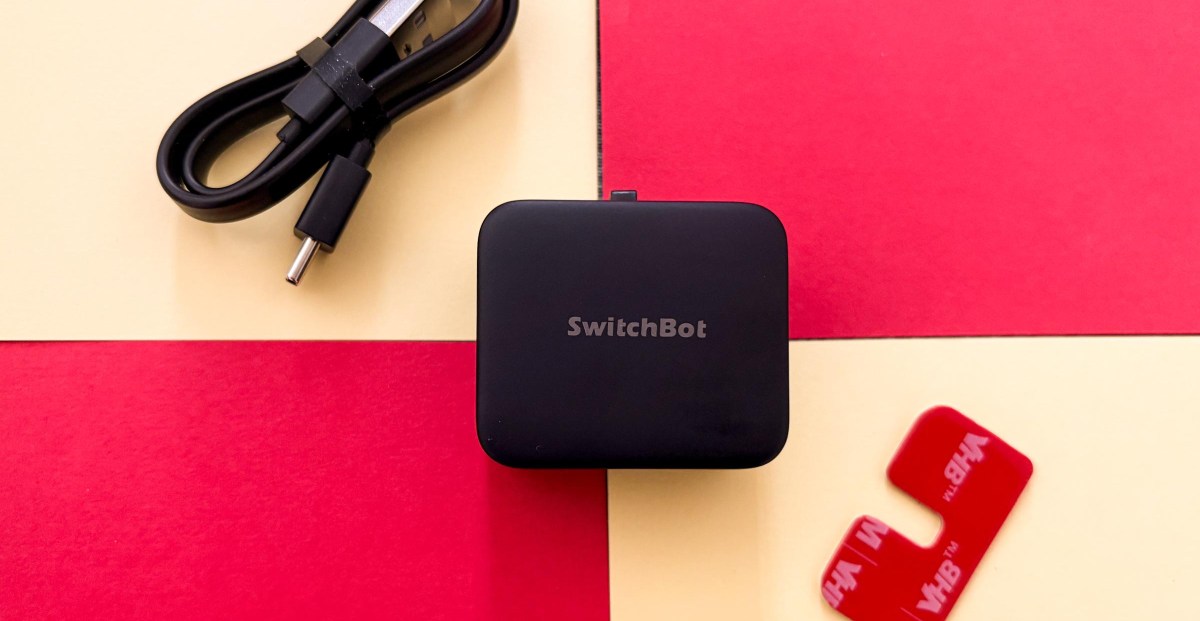
SwitchBot has added a rechargeable version of its small button-pushing smart home gadget, giving users a way to automate physical switches without replacing them. In a hands-on review for The Verge, Sheena Vasani said the device solved a narrow but practical problem: turning on a kitchen light remotely before entering a room where she had seen cockroaches.
The SwitchBot Bot Rechargeable costs $33.99, according to The Verge, though the publication also listed sale prices of $25 at Amazon and $27 at SwitchBot. The device sticks near a switch or button with adhesive and uses a small mechanical arm to press or pull it.
Vasani said the product can work with devices that still depend on physical controls, including coffee makers, light switches, garage door openers and laundry machines. The Verge reported that pairing it with a SwitchBot Hub adds voice control through Amazon Alexa and Google Assistant and allows control from outside the home.
Rechargeable power changes the trade-off
The new model performs the same basic job as the original SwitchBot Bot, according to The Verge. The main difference is power: the Rechargeable model uses USB-C charging, while the older version relies on disposable batteries.
That change comes with a shorter advertised runtime. The Verge said SwitchBot rates the rechargeable unit for up to six months on a charge if it is triggered once per day, compared with up to 600 days for the original model.
Vasani wrote that she preferred being able to plug in the device instead of buying replacement batteries. She also noted that the original model costs slightly less.
Setup may take adjustment
The Verge found that installation was easier than replacing or rewiring a wall switch, but still more finicky than expected. Vasani said the robot arm had to be lined up carefully so it could reach the switch, push it, and then pull back.
The device includes a plastic attachment that sticks to the switch itself, according to The Verge. When looped around the Bot’s arm, that attachment lets the arm push the switch on and pull it off.
Vasani said that part caused the most confusion during setup. She initially placed the attachment toward the middle of the switch, while it needed to sit lower, and she said the written instructions were vague compared with the instructional video.
The box includes an extra adhesive pad, The Verge reported, which Vasani used after repositioning the device during installation. She advised buyers to expect some trial and error depending on the switch or appliance they want to control.
Reliable once installed
After setup, the Bot stayed attached and worked consistently during The Verge’s testing, Vasani said. She reported that it responded from across her apartment and did not miss scheduled actions.
The Verge’s review said the product is less compelling for homes already filled with smart bulbs and smart plugs. For a remaining appliance or switch with a physical button, Vasani described it as a clever and relatively low-cost way to add automation, while noting that the device is somewhat bulky.
This story draws on original reporting from The Verge.