
Superworm larvae show promise for cleaning museum skeletons
A PLOS One study found the pet-food larvae can strip tissue from bones without the infestation risks posed by dermestid beetles.
By Maya Lindqvist · Senior Technology Correspondent
3 min read
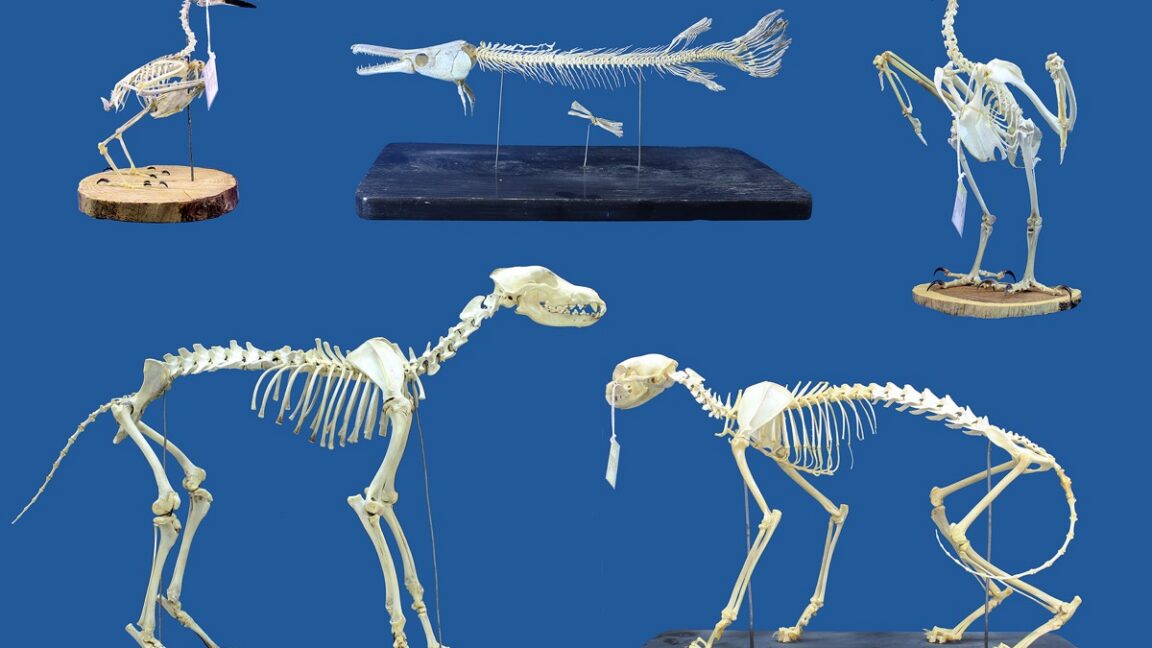
Researchers say superworm larvae may give museums and forensic labs another way to clean animal skeletons without harming the bones. In a study published in PLOS One, a team led by Fatemeh Rastekar of Ferdowsi University of Mashhad in Iran reported that the larvae removed soft tissue from a range of specimens while avoiding some problems linked to current methods.
Preparing skeletal material for display, research or forensic work requires removing flesh and other soft tissue while preserving fine bone structure. According to the PLOS One paper, common approaches such as burial, enzyme digestion, boiling and chemical treatment can be slow, costly, environmentally troublesome or rough on delicate remains.
Dermestid beetles are widely used because they can eat away tissue while leaving bone intact, the researchers said. But beetle colonies include multiple life stages and require tight containment, since escaped insects can reproduce and create infestations that endanger museum collections.
Rastekar and colleagues examined whether larvae of Zophobas morio, commonly called superworms and sold as pet food, could do a similar job with fewer handling risks. The team noted that cleaning with superworms uses only the larval stage, which lasts about 10 to 12 weeks, compared with five to seven weeks for the beetle stage used in comparable work.
The researchers also said superworm larvae do not pupate when kept in crowded conditions, a trait that may make colonies easier to manage. That raised the central test: whether the larvae could clean specimens effectively without damaging the underlying bones.
Testing larvae on animal specimens
The team used commercially available superworms on donated specimens from several species, including an Egyptian rosette, house mouse, little bittern, alligator gar, Eurasian eagle-owl, rook, wild cat and gray wolf. For comparison, the researchers also cleaned a marbled polecat skeleton using a conventional boiling method.
Before exposure to the larvae, each specimen was skinned and had excess flesh and internal organs removed, according to the study. The researchers weighed the specimens and placed them in same-sized containers with measured amounts of larvae to find a workable ratio between larval mass and specimen mass.
Larger animals were moved to fresh containers every six to eight hours. The larvae were also given fruit or vegetable peels between cleaning sessions because a flesh-only diet can interfere with molting or shorten their survival, the authors reported.
The team removed waste regularly to keep the containers sanitary. After the larvae finished feeding, the researchers rinsed the skeletons in warm water to remove remaining larvae and tissue.
The authors said they briefly used a 1 percent bleach solution during preparation but warned that bleach can damage bone tissue and should not be part of the standard process. For museum display, the skeletons were finished with clear gloss varnish; the paper said that step would not be appropriate for forensic material because coatings can interfere with analyses such as CT imaging.
Optimal ratio identified
The study found that 10 to 15 grams of larvae per gram of animal specimen gave the best balance between speed and bone preservation. At that level, the larvae cleaned the material efficiently without damaging bones, according to the paper.
After identifying that range, Rastekar and colleagues ran additional tests on three small bird skulls and reported similar outcomes. They recommended larger containers for medium and large specimens to shorten cleaning time and reduce how often remains must be repositioned.
The researchers concluded that superworms could serve as a practical option for skeletal preparation in museums and research settings. The study was published in PLOS One in 2026 under DOI 10.1371/journal.pone.0349669.
This story draws on original reporting from Ars Technica.