
Starlink router FCC exemption clears SpaceX through early 2028
The FCC says SpaceX won approval for Starlink routers under a foreign-made router ban that now covers future models.
By Hana Yoshida · Markets Reporter
3 min read
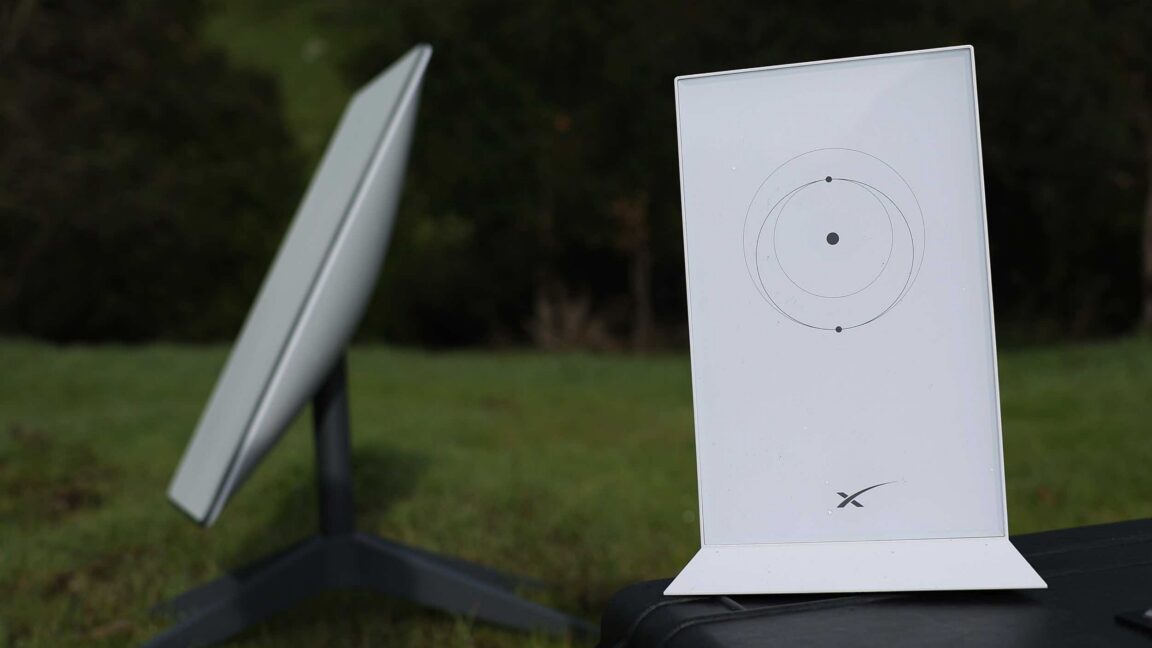
The Federal Communications Commission granted a Starlink router FCC exemption to SpaceX, allowing the company to keep seeking approval for future Starlink router models despite a broad ban on consumer routers made at least partly outside the United States. The approval matters because the FCC’s updated supply-chain rules now sweep in much of the router market, where foreign manufacturing or foreign-made parts are common.
According to an FCC public notice, SpaceX received a national security clearance determination from the Department of War, also known as the Department of Defense. The exemption runs until Feb. 1, 2028.
The FCC’s Covered List identifies communications gear that the agency says presents an unacceptable national security risk. The Trump administration expanded that list to include consumer-grade routers made wholly or partly outside the U.S., unless a company secures an exemption.
Why did Starlink need an FCC router exemption?
Starlink needed the exemption because some of its routers are made outside the United States. PCMag reported in April that some Starlink routers are manufactured in Vietnam, even though SpaceX has a Texas factory and some Starlink routers carry “Made in the USA” markings.
The FCC ban does not apply retroactively to routers that the agency had already approved before the rule change. Companies need exemptions to win FCC approval for future router models covered by the new process.
Under rules the FCC announced in March, router manufacturers can ask either the Department of War or the Department of Homeland Security to determine that their devices do not pose unacceptable national security risks. The FCC calls the resulting exemptions “conditional approvals.”
Which other router companies have exemptions?
Netgear was the first major router vendor to receive an exemption, on April 14, according to Ars Technica. Amazon later received exemptions covering its Eero routers and routers planned for its Leo satellite service.
TP-Link has not yet received an exemption, according to Ars Technica. The company was founded in China and later moved its headquarters to the United States.
The full list of conditional approvals is posted on the FCC’s supply-chain website. The Trump administration has alleged that foreign networking products can threaten national security and has pushed companies to manufacture more equipment in the U.S.
Ars Technica reported that companies with ties to China are widely expected to face the hardest path to winning exemptions. The FCC’s router restrictions have forced major vendors to seek government clearance because common router supply chains include foreign production or components.
How does this connect to drones?
The same exemption system also applies to drones, because the FCC added drones to the Covered List last year. Chinese drone maker DJI has sued the FCC over the restrictions, according to Ars Technica.
Router makers that cannot secure exemptions could also challenge the rules in court. For now, SpaceX joins Netgear and Amazon among companies with FCC clearance to proceed under the foreign-made router rules.
This story draws on original reporting from Ars Technica.