
Space Force raises launch contract ceiling as demand climbs
The service lifted one launch-buying cap to $17 billion, bringing Phase 3 national security launch contract ceilings above $30 billion.
By James Whitfield · Staff Writer
3 min read
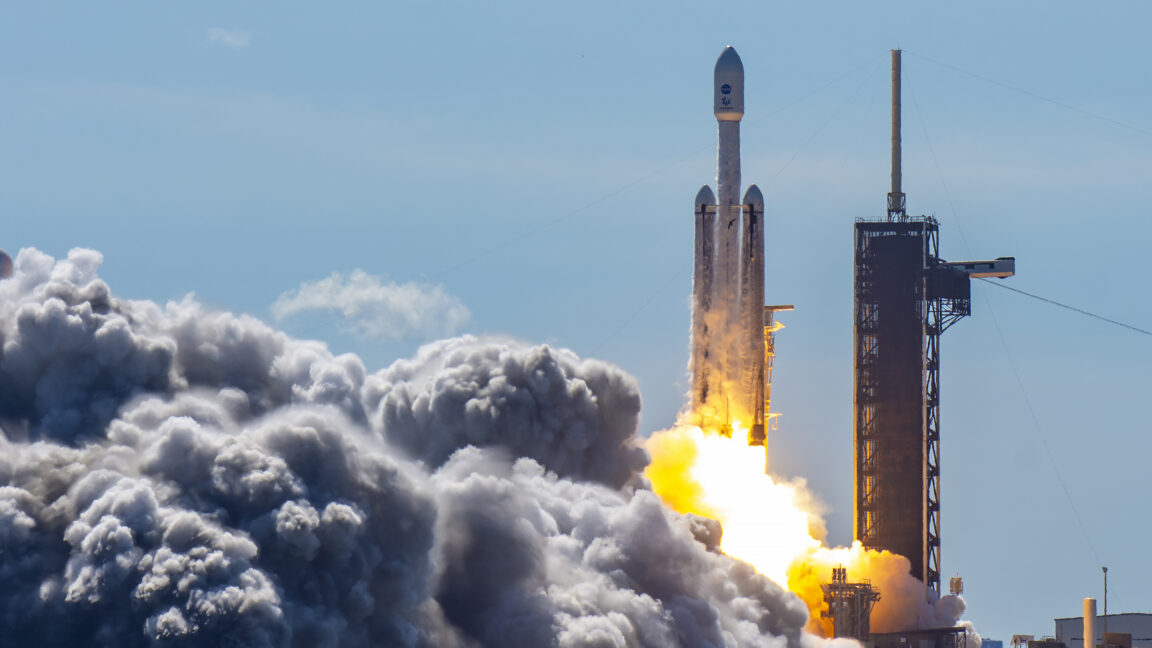
The U.S. Space Force said Friday it has raised the maximum value of a major launch-buying contract to $17 billion, a sign that the military expects to buy more rides to orbit. The change applies to Lane 1 of the National Security Space Launch Phase 3 program and pushes the combined ceiling for the program’s two main launch lanes above $30 billion.
The Space Force had previously set the Lane 1 ceiling at $5.6 billion. According to the service’s earlier plan, that amount was meant to cover at least 30 launch task orders over five years.
Space Systems Command, which runs the Space Force’s launch program, has not said how many additional Lane 1 missions it expects to buy. The command uses the NSSL program to compete individual military satellite launches among approved providers.
Two tracks for military launches
The NSSL Phase 3 program separates launches into two categories. Lane 1 covers missions the Space Force treats as more tolerant of risk, including medium-lift launches, experimental payloads and rideshare missions for Pentagon surveillance or data-relay satellite networks.
Lane 2 is reserved for more sensitive missions, including large intelligence satellites and hardened communications spacecraft intended to function in nuclear conflict conditions. The Space Force requires more extensive certification for rockets assigned to those missions.
According to the Space Force’s current certification status, SpaceX’s Falcon 9 and Falcon Heavy rockets and United Launch Alliance’s Vulcan rocket are eligible for Lane 2 missions. The Lane 2 contract was capped last year at $13.7 billion, a figure tied to an estimated 54 launches to be procured through 2029.
Space Systems Command said in April that it had identified 25 additional Lane 2 missions beyond that earlier estimate. With the Lane 1 cap now at $17 billion, the two contract ceilings total more than $30 billion.
More companies in Lane 1
Lane 1 is open to a broader group of launch companies because it does not require the same level of military certification as Lane 2. Space Systems Command selected SpaceX, United Launch Alliance and Blue Origin for Lane 1 in 2024.
The command later added Rocket Lab, Stoke Space, Relativity Space and Impulse Space to the Lane 1 roster. The Space Force requests bids for batches of Lane 1 missions and awards fixed-price task orders to winners.
The service has not publicly identified the full set of missions it expects to add to the NSSL contracts. Several Pentagon space programs point to why launch demand may be rising.
The Space Force recently awarded multibillion-dollar contracts to SpaceX tied to satellite deployments for the Pentagon’s Space Data Network and Airborne Moving Target Indicator programs. According to the Space Force, those constellations are intended to provide global connectivity and targeting data for U.S. forces.
Another possible source of demand is Golden Dome, the Trump administration’s proposed missile-defense shield. The plan is expected to include space-based missile warning sensors and space-based interceptors, though the number of spacecraft has not been specified.
The White House requested $71.1 billion for the Space Force in fiscal 2027, compared with about $40 billion allocated for fiscal 2026. The House Appropriations Committee’s draft Pentagon budget would provide $55.5 billion for the service, while the Senate has not released its version.
This story draws on original reporting from Ars Technica.