
The Soft Pink Truth’s new album marks a gentler turn for Drew Daniel
The Verge’s Terrence O’Brien says Drew Daniel’s latest Soft Pink Truth record shifts toward ambient textures and political hope.
By James Whitfield · Staff Writer
2 min read
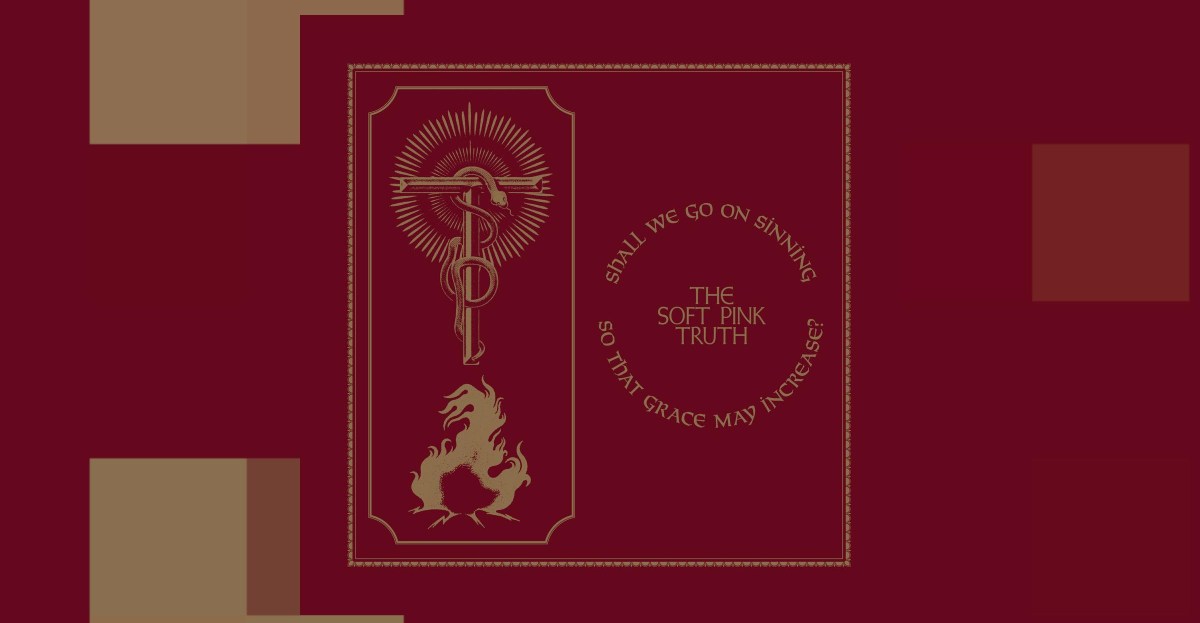
Drew Daniel’s latest album as The Soft Pink Truth is being cast as a quieter, more restorative entry in a catalog known for sharp stylistic turns. In a review published July 12, The Verge’s Terrence O’Brien described Shall We Go On Sinning So That Grace May Increase? as a hopeful response to the rise of global fascism.
O’Brien wrote that Daniel, best known as one half of Matmos, uses The Soft Pink Truth as a looser outlet than his main duo. According to The Verge, Matmos often builds records around strict concepts, including projects made from medical-procedure samples or instruments constructed from PVC tubing.
The review places Daniel’s new record in contrast with that experimental structure. O’Brien said The Soft Pink Truth can take many forms, citing earlier work that has included house music and black metal covers.
For Shall We Go On Sinning So That Grace May Increase?, O’Brien said Daniel moves away from the more abrasive and club-oriented elements heard in some previous solo material. The Verge characterized the album as more ambient and organic, while still making use of processed field recordings and samples.
O’Brien also framed the record as part of Daniel’s unusually active creative life. The review notes Daniel’s work with Matmos, including the duo’s album A Chance to Cut Is a Chance to Cure, and their production contributions to Björk’s Vespertine.
The Verge said Daniel has also drawn attention outside standard release cycles, including through online discussion of newly imagined music genres. O’Brien pointed to that activity as another sign of Daniel’s prolific output alongside The Soft Pink Truth.
The review gives particular attention to the album’s opening sequence. O’Brien described the first track, “Shall,” as built from uneasy drones, busy textures and a chant-like vocal part that creates an unsettling atmosphere.
According to The Verge, that opener works as a threshold for the record, setting up the shift into “We.” O’Brien described the second track as moving into a sparse, new-age-leaning pulse that signals the album’s broader turn toward comfort and release.
The record is presented by The Verge as a notable departure within Daniel’s solo work rather than a clean break from his established methods. O’Brien wrote that the album still uses the manipulated sounds associated with Matmos, but directs them toward a softer, more meditative sound.
The album artwork image accompanying the review was credited to Thrill Jockey Records.
This story draws on original reporting from The Verge.