
Debt strains raise banking crisis warnings in Russia
A European intelligence report seen by Reuters says war financing and weak loans have left Russian banks exposed as budget pressure grows.
By Sofia Marchetti · World Affairs Correspondent
3 min read
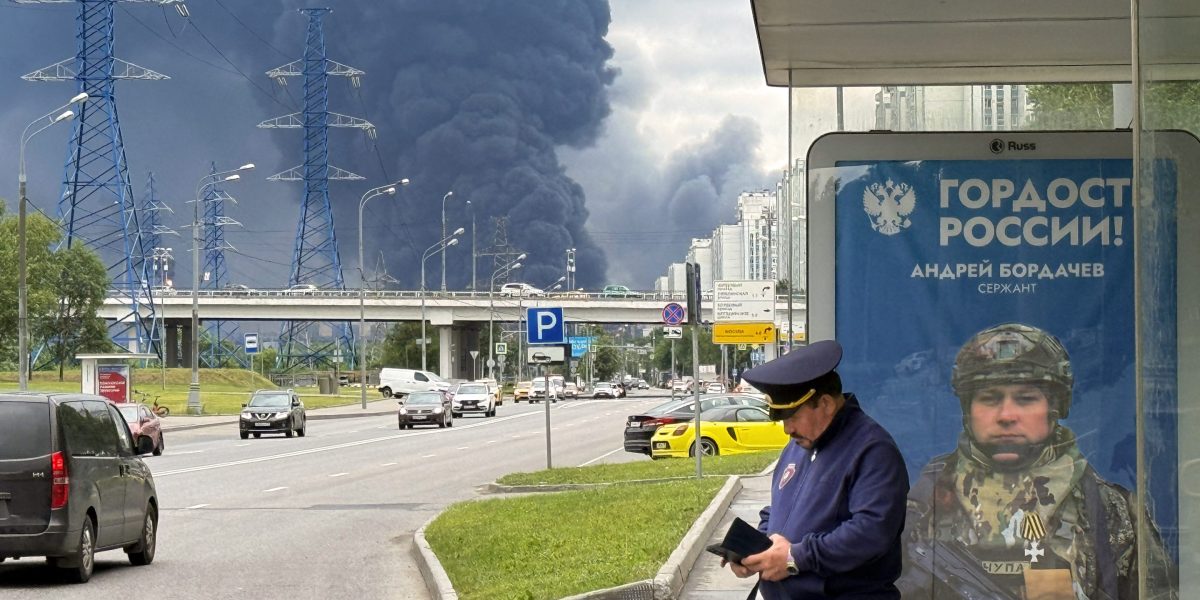
Russia’s lenders face rising risk from bad loans after the Kremlin used the banking system to support an economy strained by the war in Ukraine, according to a European intelligence report seen by Reuters. The warning matters because the same fiscal pressure is pushing Moscow to look for new sources of cash, including pension savings held outside the state system.
The June assessment, prepared as the European Union considers another sanctions package against Russia, said government-backed lending helped create the appearance of economic strength while masking deeper financial stress, Reuters reported.
According to Reuters, the report said Russian banks were encouraged to supply large amounts of credit as the federal budget came under pressure from President Vladimir Putin’s war effort. State programs also prompted millions of Russians to carry three or more loans at once, the report said.
Bad-loan risks are rising
The intelligence report estimated that 10% of corporate loans may go unpaid, a sharp increase from 2024, Reuters reported. It also said 15% of consumer loans at some large banks may now be non-performing.
Personal financial distress has worsened as inflation and borrowing costs hit households, according to the Reuters account of the report. More than 500,000 Russians declared bankruptcy last year, up by almost one-third, the report said.
The report said state-backed credit, loan restructurings and government support have delayed a clearer view of the damage inside the banking system, according to Reuters. It warned that a shock, including stronger sanctions targeting banks, could expose the strain.
Russian financial warnings have mounted over the past year. Bloomberg reported last June that Russian banks were concerned about a possible debt crisis as high rates made it harder for borrowers to service loans.
The head of the Russian Union of Industrialists and Entrepreneurs also warned last June that many companies were nearing default, Fortune reported. In December, the state-backed Center for Macroeconomic Analysis and Short-Term Forecasting said Russia could face a banking crisis by October if loan quality worsened and depositors withdrew money, according to Fortune.
War costs squeeze the budget
Russia’s fiscal position has weakened alongside the pressure on banks, according to Fortune. The report said Ukrainian drone attacks and other tactics have damaged Russian oil infrastructure, while lower oil prices and attacks on exports have reduced energy revenue.
By the end of May, Russia’s federal budget deficit had reached 6 trillion rubles, or about $83 billion, Fortune reported. That was more than double the 2025 level and above the 3.8 trillion rubles Moscow had projected for all of this year.
Fortune reported that the government has used reserves from its sovereign wealth fund to cover the gap, but those resources are running low. The finance ministry is preparing legislation that could give the government access to $40 billion in pension savings held in privately managed funds, according to Fortune.
Russia’s Communist Party leader recently told parliament that 130 trillion rubles in bank deposits should be mobilized to address the country’s economic and budget problems, Fortune reported. A Moscow executive told The Washington Post that Russian business leaders fear the government may try to obtain money through any available means and are considering how to move assets out of the country.
Other debt markets are also under pressure. Izvestia reported in May, citing sources, that nearly a quarter of Russia’s bond market was at risk of default as companies that borrowed at low rates face refinancing at higher rates, according to Fortune. The amount of debt due to be rolled over this year is about twice last year’s level, Fortune reported.
This story draws on original reporting from Fortune.