
Smell loss draws new attention as research links it to brain health
Covid cases pushed anosmia into public view, while studies connect smell disorders with quality of life, safety risks and some neurological diseases.
By Maya Lindqvist · Senior Technology Correspondent
4 min read
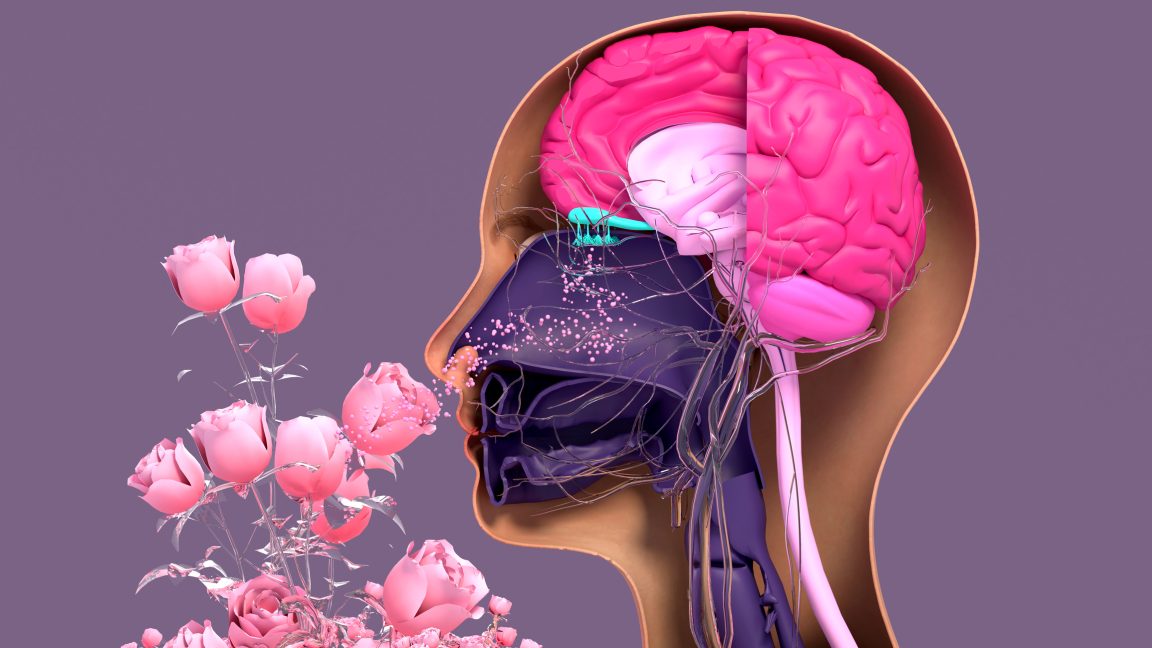
Smell loss, long dismissed as a minor complaint, has become a larger focus of medical research after Covid-19 left many people with altered or absent smell. Researchers cited by Knowable Magazine say the condition can affect safety, emotional life and, in some cases, may signal changes in the brain.
Smell disorders include anosmia, or complete smell loss; hyposmia, or reduced smell; phantosmia, in which people detect odors that are not present; and parosmia, in which familiar smells become distorted and often unpleasant. Researchers estimate that as much as 22 percent of the population lives with some form of smell impairment.
The World Health Organization has counted 780 million reported Covid-19 cases since December 2019, with many more likely unreported. In a 2023 survey published in Laryngoscope, 60 percent of people with Covid reported smell loss, usually temporary, though some had longer-lasting problems.
A sense tied closely to memory
Scientists describe smell as unusually direct in its route to the brain. Odor molecules bind to receptors high in the nasal cavity, where olfactory neurons send signals through the olfactory bulbs and into brain regions involved in emotion and memory, including the amygdala and hippocampus.
Jonas Olofsson, a Swedish psychologist and author of a book on smell science, told Knowable Magazine that humans are better at smell than older scientific assumptions suggested. Modern research has linked olfaction to parent-child bonding, detection of hazards and emotional memory.
The olfactory bulbs also stand out because they are among the few brain areas known to generate new neurons in adulthood, according to researchers cited by Knowable Magazine. They are also exposed to the outside world through the nose, making them a possible entry point for viruses, bacteria, toxins and other particles.
Why smell disappears
Smell loss can follow a viral infection, a head injury, allergies or sinus disease. In some cases, inflammation blocks normal smell and the sense returns when swelling subsides; in others, damage to olfactory nerves can last.
Chrissi Kelly, who lost her sense of smell after a viral illness during travel to the Czech Republic, later founded patient groups focused on smell disorders and co-authored academic papers as a community scientist, according to Knowable Magazine. Her case reflects a common patient experience: diagnosis without many treatment options.
Loss of smell can also appear before some neurodegenerative diseases. Ethan G. Brown, a neurologist at the University of California, San Francisco’s Movement Disorders Clinic, told Knowable Magazine that researchers still do not know when the earliest brain changes in Parkinson’s disease begin.
Scientists suspect damaging proteins involved in Parkinson’s may first accumulate in the olfactory bulbs, making smell loss one possible early sign. Zara M. Patel, director of the Stanford Initiative to Cure Smell and Taste Loss, said smell changes can also appear in Alzheimer’s disease, Lewy body dementia, depression, schizophrenia and autism, though the relationships are not fully understood.
A review cited by Knowable Magazine has associated smell disorders with 139 neurological, physical and inherited conditions. Researchers have not established whether smell loss causes some problems, signals them, or reflects shared damage in the brain.
Training the nose
The main low-cost treatment discussed by researchers is olfactory training. Patients repeatedly smell familiar scents, such as lemon, rose, clove and eucalyptus, while trying to recall and identify them, with the aim of encouraging new receptor growth and brain plasticity.
Patel, who led the first randomized controlled U.S. trial of olfactory training, said about 30 percent of patients improved after months of training across causes her team has studied. In that trial, six of 19 people assigned to training showed significant improvement after six months, compared with two of 16 in a control group.
Patel’s group has also found that up to half of patients may improve when training is paired with a steroid sinus rinse. A 2024 meta-analysis of 36 studies reported a statistically significant benefit across measures of smell function, though results varied widely among studies.
Researchers in the United Kingdom also reviewed studies involving people 55 and older and found olfactory training was associated with improved smell, some cognitive measures, reduced depressive symptoms and protection from cognitive decline. They said more research is needed before stronger conclusions can be drawn.
For patients, the stakes are practical as well as emotional. Without smell, people may miss smoke, gas leaks or spoiled food, one reason some researchers now describe smell loss as a public health concern.
This story draws on original reporting from Ars Technica.