
Smartphone price hikes spread across 2026 launches
New models from Apple, Google, Samsung and Sony carry higher listed launch prices as memory costs strain the phone market.
By Hana Yoshida · Markets Reporter
3 min read
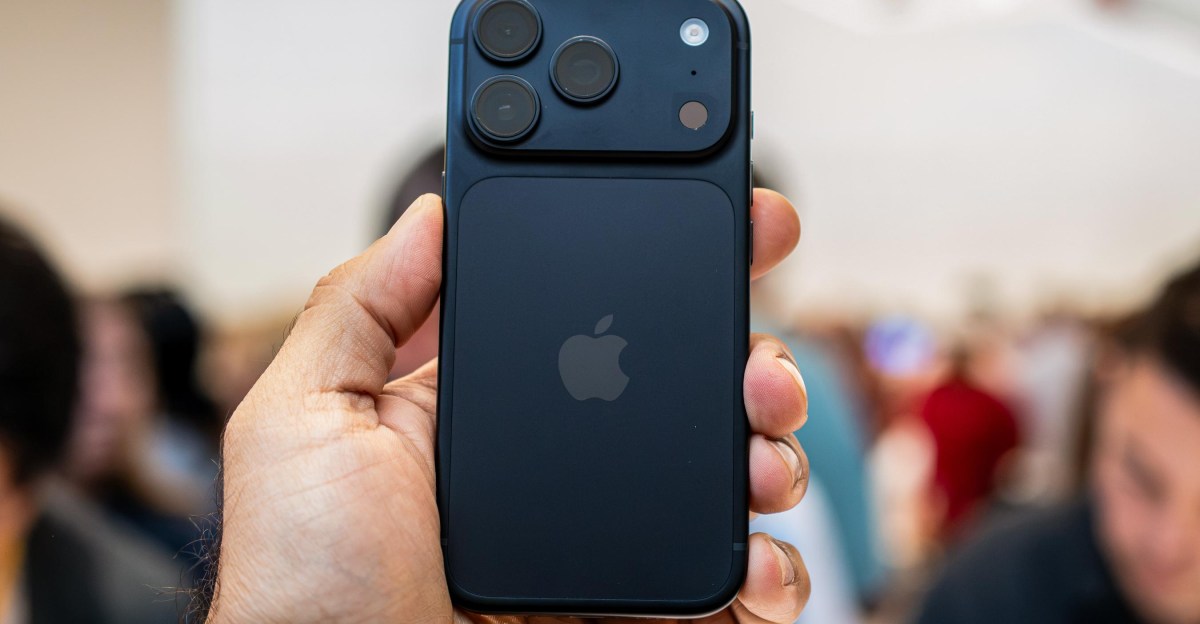
Smartphone price hikes have appeared in several 2026 releases from major brands, adding $100 to listed dollar launch prices for some new Apple, Google and Samsung models. The pattern matters for shoppers because analysts also expect pressure to bear down hardest on the lowest-priced phones.
The Verge reported that Apple’s iPhone 18 Pro starts at $1,199 and the iPhone 18 Pro Max at $1,299, each $100 above its predecessor. It also reported that Apple increased the prices of older iPhone models by $100.
Which phones have higher launch prices in 2026?
The reported increases cover different product tiers and markets. They are launch-price comparisons, not a measure of the final price after carrier subsidies, trade-ins, financing or retail promotions.
- Apple iPhone 18 Pro: $1,199, up $100 from the prior model, according to The Verge.
- Apple iPhone 18 Pro Max: $1,299, also up $100, The Verge reported.
- Google Pixel 11: $899, compared with $799 for the Pixel 10, according to The Verge.
- Samsung Galaxy Z Fold 8 Ultra: $2,099, $100 above the Galaxy Z Fold 7, The Verge reported.
- Sony Xperia 10 VIII: £549 in the UK and €599 in Europe, increases of £150 and €150 respectively over the Xperia 10 VII launch price, according to TechRepublic.
The Verge also reported $100 increases for Motorola’s 2026 Moto Razr phones compared with their predecessors, and said the Xperia 10 VIII cost £150 more than its earlier version. The examples do not establish a standardized global average increase: they span currencies, countries and types of devices.
Why are smartphone prices rising?
The Verge linked the higher prices to component supply constraints tied to AI data-center construction, saying memory-price increases have been especially severe. It also reported that Qualcomm raised prices for its phone chips in September.
CNET cited RAM shortages, tariffs and inflation as further price pressures, though its available report did not provide model-by-model figures. Nothing chief executive Carl Pei said memory costs for the Nothing Phone 4A had doubled by its launch, The Verge reported; that is a company executive’s account rather than independently verified industry cost data.
What could this mean for cheaper phones?
IDC expects global smartphone shipments to decline 16.7% year over year in 2026, or by about 200 million devices, according to figures reported by 9to5Google. IDC also expects memory prices to keep rising through at least 2028 and forecasts average selling prices will fall only about 1% to 2% annually beginning that year.
IDC said 173 million phones priced below $100 shipped in the previous year, while that segment fell nearly 60% year over year in the second quarter of 2026, 9to5Google reported. The firm said Android vendors focused on low-end devices were cutting entry-level models and shifting toward higher-priced products. That outlook is a forecast, not a certainty, but it points to a more expensive market for buyers seeking a new budget handset.
This story draws on original reporting from The Verge.