
RFK Jr. measles deaths deletion report centers on CDC’s public tally
Reuters reports that Robert F. Kennedy Jr. sought removal of two Pennsylvania deaths from CDC data, while a separate internal-record claim remains unverified.
By James Whitfield · Staff Writer
3 min read
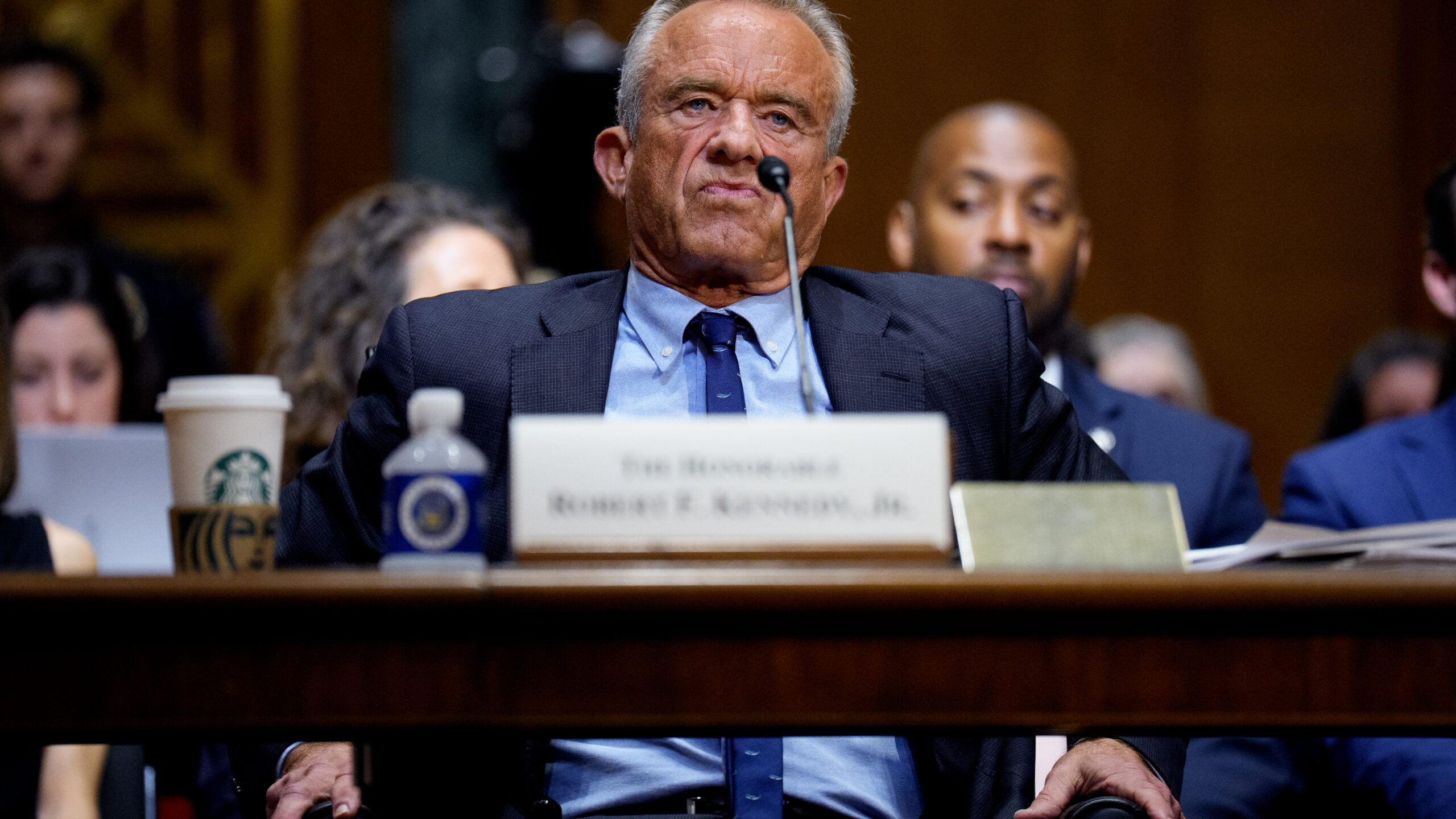
Reports of an RFK Jr. measles deaths deletion concern two Pennsylvania fatalities that disappeared from the CDC’s public measles tally after briefly appearing there. Reuters, citing three people familiar with the matter, reported that Health Secretary Robert F. Kennedy Jr. asked CDC Director Erica Schwartz to remove the entries; the agency says it lacks enough information to determine whether measles caused or contributed to the deaths.
The account of Kennedy’s involvement has not been confirmed publicly by the Department of Health and Human Services. HHS spokesperson Grace Davis Jamison told Reuters that CDC had requested details needed to assess the deaths and pointed to conflicting accounts from county and state officials. She did not address the reported roles of Kennedy or Schwartz.
What does the CDC say about the Pennsylvania measles deaths?
CDC’s public data page excludes the two deaths and says available information does not establish whether measles caused or contributed to them, or whether the people died of other causes while infected with measles, Reuters reported. Pennsylvania’s health department takes the opposing view: it has classified both as measles-associated deaths and said it supplied CDC with all required epidemiological data.
The disagreement does not amount to a final medical finding in the evidence available. Pennsylvania Health Secretary Debra Bogen said she had reviewed the case-investigation information and confirmed two measles-associated deaths in Lancaster County, according to MedPage Today. The state said both people had tested positive for measles.
Reuters reported that Pennsylvania notified CDC about the deaths on Aug. 25 and that a state official said both individuals were unvaccinated. Other reporting identified them as a newborn and a child. Ars Technica reported that the Lancaster County coroner said a pathologist did not consider measles the cause of the newborn’s death, while less information has been released about the second death.
How did the CDC’s public tally change?
The public record changed over a short period. Ars Technica, summarizing Washington Post reporting, said the CDC chart listed zero deaths on Aug. 29, then listed two at 12:09 p.m. Eastern time on Aug. 30. By 3:23 p.m. that day, the two had been removed and replaced by an asterisk referring readers to the agency’s causation statement.
Reuters reported that CDC staff had already accepted Pennsylvania’s description of the deaths as measles-linked before Kennedy’s reported request. Its anonymous sources said Schwartz carried out the removal without objecting. Georges Benjamin, head of the American Public Health Association, told Reuters it was unheard of for CDC to publicly question a state or local health department’s conclusion, even when the federal agency is seeking additional information.
Is there evidence the deaths remained in an internal CDC system?
That claim rests on separate reporting and has not been independently verified in the available evidence. Ars Technica reported that Inside Medicine published what it described as a screenshot from the One CDC Data Platform, an internal system available to CDC employees and state and local health officials, that still listed the two deaths. Ars said CDC staff had reportedly verified the screenshot.
The report does not establish that CDC was covertly maintaining a different official count, nor does it resolve the dispute over the deaths’ causes. The documented public position remains that CDC has excluded the entries pending information it says is needed, while Pennsylvania continues to classify them as measles-associated. Reuters reported Pennsylvania had recorded 540 measles cases this year.
This story draws on original reporting from Ars Technica.