
Report links European drone incidents to Russian-connected ships
A UK think tank says vessel-tracking data points to a possible Kremlin campaign using commercial ships to launch drones near NATO sites.
By Hana Yoshida · Markets Reporter
3 min read
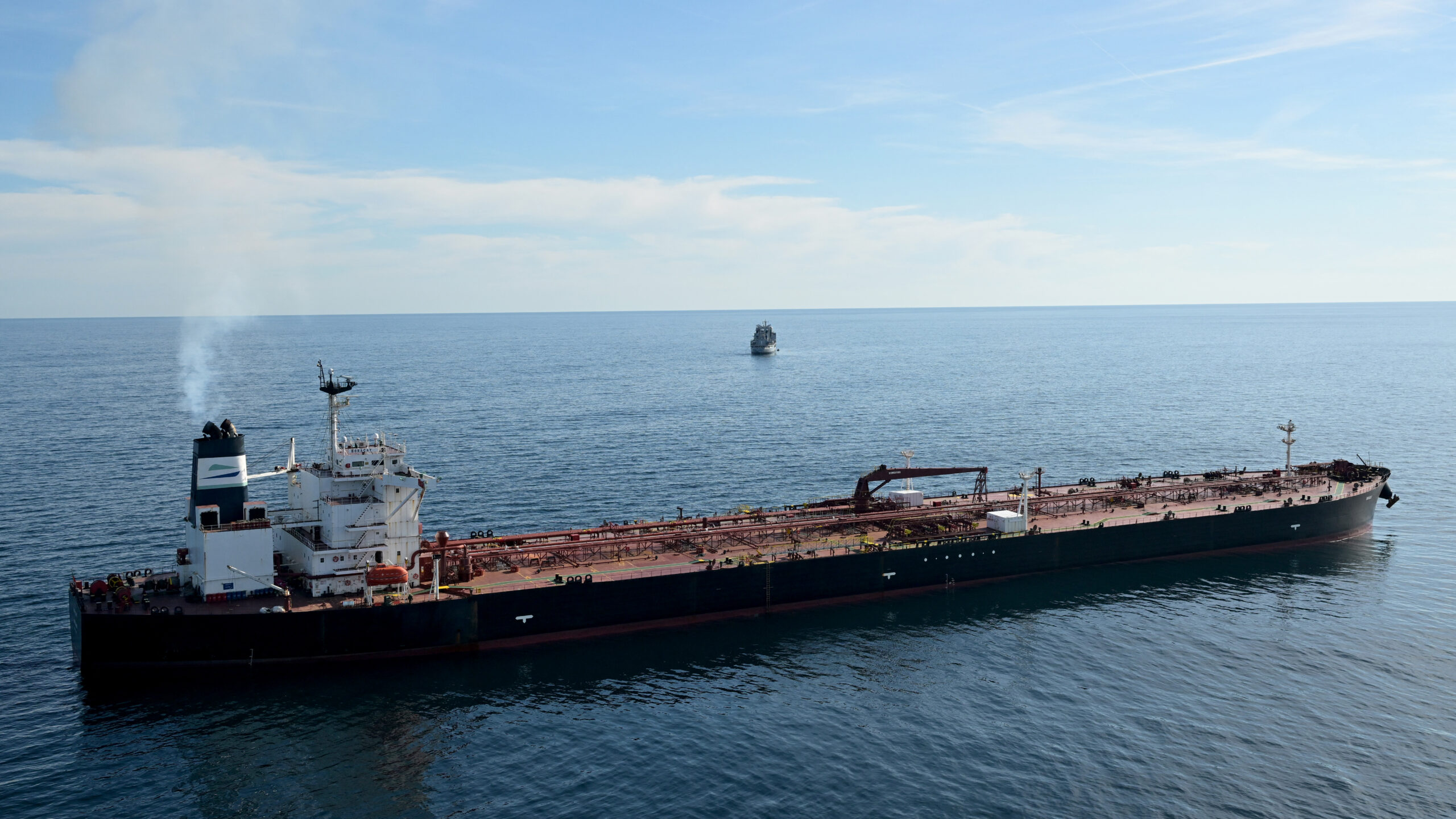
A new assessment by the International Institute for Strategic Studies says Russian-linked commercial vessels may have been used to launch drones over European airports, military bases and critical infrastructure. The finding matters because the incidents exposed gaps in Europe’s ability to respond to low-cost air incursions below the level of open conflict.
The UK-based think tank said it reviewed maritime automatic identification system data and other public records tied to drone reports across a dozen NATO countries and Ireland from August 2024 to February 2026. It found that Russian-connected ships, including vessels associated with the so-called shadow fleet carrying sanctioned Russian oil, were often near the coast during incidents.
IISS identified 144 drone sightings it said were unlikely to be recreational flights or related to the war in Ukraine. According to the report, 48% occurred over military bases, 26% over critical infrastructure such as ports, energy sites or industrial facilities, and 18% over civilian airports.
The report does not say every sighting was real or Russian-directed. It says the pattern of some flights matches an effort by the Kremlin to test allied defenses, examine civilian and military response procedures and make limited airspace violations more routine.
Military bases and ports drew repeated sightings
The only incident directly confirmed as Russian came in February 2026, when the Swedish military said it saw and jammed a drone launched from the Russian signals intelligence ship Zhigulevsk in Swedish territorial waters. The launch occurred while the French aircraft carrier Charles de Gaulle and escort ships were near Sweden, according to IISS.
The report says Russian systems that could support ship-launched operations include the Merlin-VR fixed-wing drone and the Orlan-10. IISS said the Orlan-10’s range, endurance and payload options would fit flights from vessels positioned beyond easy visual detection from European shores.
In November 2024, drones were reported over several Royal Air Force sites in the United Kingdom, including RAF Lakenheath, RAF Fairford, RAF Feltwell and RAF Mildenhall. IISS said those incidents coincided with the presence in the UK of the Hav Dolphin, an Antigua and Barbuda-flagged cargo ship operating with a Russian crew.
The same vessel later drew attention from German authorities after anchoring near Kiel in May 2025, around the time drones were reported over a German submarine base at Eckernförde, according to the report. Other November 2024 sightings occurred over Kleine-Brogel Air Base in Belgium and Ramstein Air Base in Germany, both sensitive NATO-linked sites.
IISS also cited incidents in the Netherlands in late 2025, including drones over Volkel Air Base and Eindhoven Airport. The report said several vessels, including Arctica, Cgas Leopard, Tranquil Sea and Eagle S, were in nearby international waters or anchorages around the Dutch and French coasts during that period.
French boarding raised intelligence concerns
The oil tanker Boracay became a focus for Danish investigators after September 2025 drone sightings disrupted airport operations across Denmark and forced temporary closures at Copenhagen Airport and the Aalborg Royal Danish Air Force base, according to IISS.
French naval commandos later boarded the Boracay off France. IISS said they found a Chinese captain and two Russian employees of Moran Security Group, a Russian private military company founded by former Federal Security Service officers; one of the Russians had also worked for the Wagner Group.
According to IISS, interviews showed the Russians were tasked with intelligence collection, vessel protection and ensuring the captain followed Russian interests. A French court later sentenced the captain in absentia to one year in prison and fined him $172,000 for failing to obey orders to stop the ship.
The European Union is developing a European Drone Defence Initiative to help member states detect, track and neutralize drones, but IISS said the system is not expected to be fully operational until the end of 2027. The think tank said governments also need clearer legal authority for responses and stronger action against suspect vessels loitering near European coasts.
This story draws on original reporting from Ars Technica.