
QuEra lays out plan for 1,000 logical qubits by 2029
The quantum startup says it will skip new interim hardware and move from today’s 260-qubit machines to error-corrected systems for Amazon.
By James Whitfield · Staff Writer
3 min read
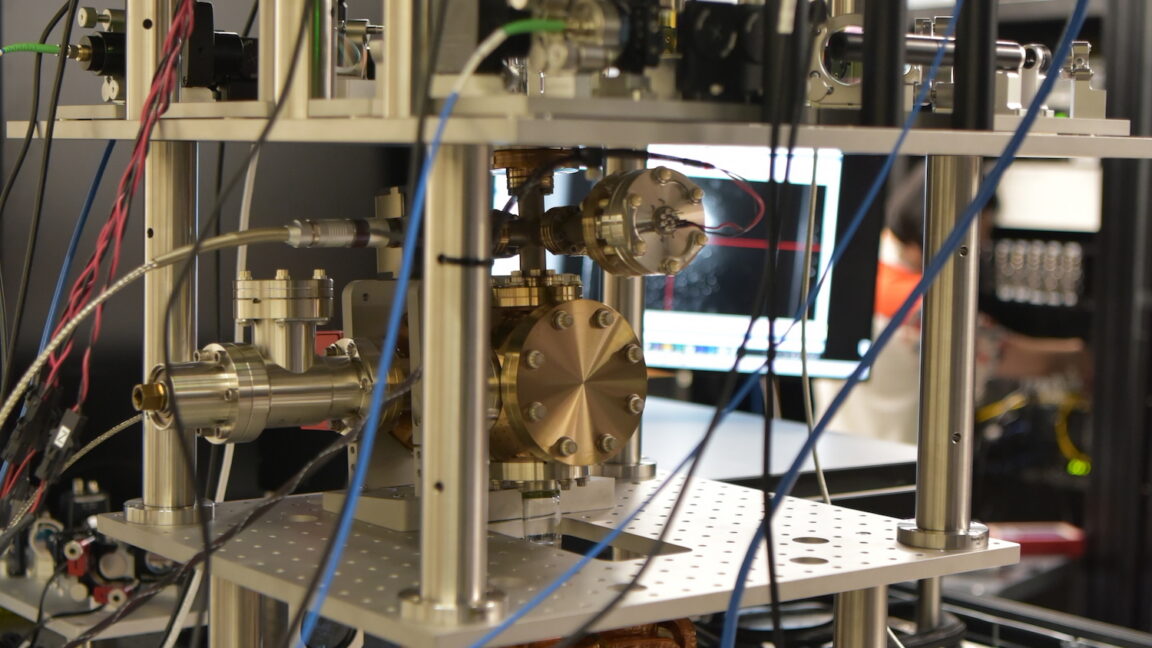
QuEra says it plans to deliver a far more capable quantum computer for Amazon in 2028, then follow it with an even larger system in 2029, according to Ars Technica. The roadmap matters because the company is promising a rapid jump from today’s 260-qubit hardware to machines with thousands of error-corrected logical qubits.
The company’s current systems have about 250 hardware qubits and error rates that allow researchers to test some error-correction methods, Ars Technica reported. They are not powerful or reliable enough to use logical qubits for applications.
QuEra executive Yuval Borger told Ars Technica that the company has decided to stop selling noisy intermediate-scale quantum, or NISQ, systems. That means QuEra does not plan to release new hardware between its existing machines and the larger system expected for Amazon.
A large jump in qubit count
The machine planned for Amazon would use more than 10,000 physical qubits to produce 256 error-corrected logical qubits, according to Ars Technica. QuEra says those logical qubits would support operations that are error-free 99.9999% of the time, a level the company expects would allow millions of operations to complete successfully.
QuEra’s 2029 target goes further. The company says that successor system would have twice as many hardware qubits and more than 1,000 logical qubits, with error resistance rising to 99.9999999%, Ars Technica reported.
The company builds quantum computers based on neutral atoms held in place by laser grids. Ars Technica reported that increasing the number of qubits in that design depends heavily on expanding laser capacity.
Two academic labs that helped launch QuEra and licensed intellectual property to the company have already shown a 3,000-qubit system, according to Ars Technica. Those labs have also demonstrated a way to replace atoms lost during operation, a capability Ars Technica said is needed to keep these systems running.
Error rates remain the central test
The harder part may be reducing errors in the physical qubits. Ars Technica reported that logical-qubit performance depends on both the number of hardware qubits used to build each logical qubit and the error rate of those hardware qubits.
For the 2028 system, QuEra plans to use an error-correction code that needs 40 hardware qubits for each logical qubit, according to Ars Technica. For the 2029 machine, the company wants to cut that ratio to 20 hardware qubits per logical qubit while also improving error resistance.
That combination would require a substantial reduction in hardware error rates, Ars Technica reported. The company has published current error rates for its hardware, but it has not specified the performance needed to meet its roadmap goals.
Asked by Ars Technica about the biggest remaining obstacles, Borger pointed to classical computing and engineering tasks rather than hardware error rates. He cited control electronics, real-time quantum error correction and compilers that would let users access the system’s capabilities.
Ars Technica described QuEra’s announcement as potentially exciting but difficult to judge because the company has not disclosed the error-rate targets needed for the planned systems. The roadmap leaves QuEra with a short window to move from experimental-scale machines to cloud-accessible, error-corrected quantum computers.
This story draws on original reporting from Ars Technica.