
Private station plans face Crew Dragon availability concern
NASA’s backup options for flying astronauts remain uncertain as private space station plans move toward the 2030s, Ars Technica reported.
By James Whitfield · Staff Writer
2 min read
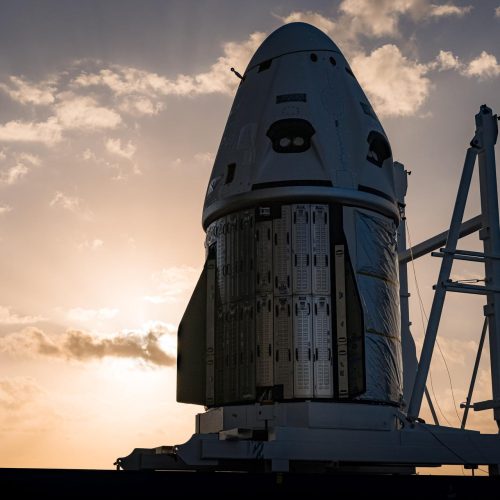
Concerns are growing inside the space industry over whether SpaceX’s Crew Dragon will be available to carry astronauts to future private space stations, Ars Technica reported. The issue matters because NASA’s expected backup for low-Earth orbit crew transport, Boeing’s Starliner, remains years away from regular crewed service.
NASA regained the ability to launch astronauts from U.S. soil in 2020, when SpaceX flew Doug Hurley and Bob Behnken to the International Space Station on Crew Dragon, according to Ars Technica. Their mission and safe return ended a gap of nearly 10 years in which NASA could not send people into orbit on an American spacecraft.
The agency had not planned to depend on one company for that service. Through the Commercial Crew program, NASA awarded multibillion-dollar contracts in 2014 to SpaceX and Boeing with the goal of creating two transportation systems for trips to low-Earth orbit, Ars Technica reported.
SpaceX has since become NASA’s working crew provider for the International Space Station. Boeing, by contrast, has not completed a successful crewed test flight of Starliner, according to Ars Technica.
Boeing’s 2024 Starliner crewed test flight was later classified as a Type A mishap, Ars Technica reported, citing NASA’s handling of the mission. The outlet reported that Starliner is unlikely to fly another crewed mission before 2028.
That timetable is pressing because the International Space Station is scheduled to be retired in the early 2030s. NASA is working with several U.S. companies on commercial successors, according to Ars Technica, and those companies will need a way to move astronauts between Earth and their orbital facilities.
Some of those private stations could launch as soon as 2030, Ars Technica reported. The companies developing them will have to work with NASA to decide how crews will travel to and from the stations.
Crew transportation is therefore becoming a central planning question for the next phase of U.S. human spaceflight in low-Earth orbit. If Starliner remains delayed and Crew Dragon availability becomes constrained, NASA and its commercial partners could face fewer options as they try to replace the International Space Station with privately operated destinations.
For NASA, the situation marks a shift from the success of restoring U.S. crew launch capability to the harder task of sustaining multiple reliable routes to orbit. Ars Technica reported that industry officials are worried about Crew Dragon’s availability as those private space station plans approach key deadlines.
This story draws on original reporting from Ars Technica.