
Phosgo plans solar e-bike launch with claims that raise questions
The Go5 series is set for a Kickstarter debut July 27, with wheel-mounted solar panels, AI features and early prices starting at $1,999.
By Maya Lindqvist · Senior Technology Correspondent
3 min read
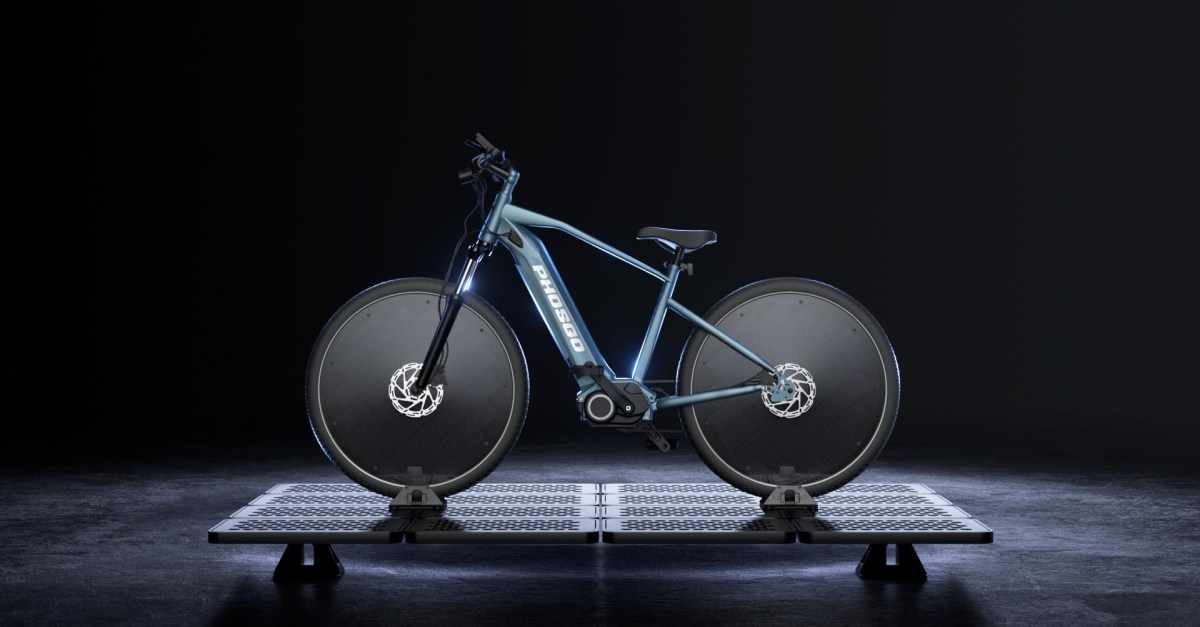
Phosgo is preparing to launch a solar-assisted electric bike through Kickstarter, pitching the Go5 series as a way to reduce charging worries for riders. The design is unusual because its solar panels sit inside the wheels, a placement that The Verge’s Thomas Ricker questioned in a report on the new bikes.
The company describes the Go5 as the “world’s first AI solar e-bike,” according to The Verge. Phosgo’s crowdfunding campaign is scheduled to begin July 27, with a base Go5 “super early bird” price of $1,999 and a higher-end Go5 Ultra starting at $2,799, The Verge reported.
According to a media kit cited by The Verge, Phosgo is a joint venture between Jiaxing Dazhe Solar Energy and Shenzhen Honglianda Technology. The company said Dazhe supplies flexible solar technology and Honglianda contributes supply-chain and e-commerce operations.
Solar panels built into the wheels
Phosgo’s two models are 8-speed aluminum-frame e-bikes intended for the U.S. and European markets, The Verge reported. The company told The Verge the bikes use Bafang mid-drive motors, though Ricker noted that some promotional photos appear to show an Ananda motor.
Each bike carries four circular 50-watt solar panels, for a stated total of 200 watts, according to The Verge. The panels use back-contact cells, a solar design that places electrical contacts on the back side of the cells and can create a cleaner-looking panel surface.
The solar hardware adds about 8 pounds to bikes that weigh roughly 50 pounds, The Verge reported. Ricker said the wheel placement creates a practical problem: the panels do not face the sun directly during normal riding or when the bike is parked on its kickstand.
Phosgo’s own materials include a table saying the solar setup can add 17 miles between wall charges, according to The Verge. Ricker reported that the materials did not explain the test conditions behind that figure, and he argued that real-world results would likely be lower when the bike is shaded by buildings, traffic, trees, a rider or other parked bicycles.
Crowdfunding and service concerns
The company is using a global direct-to-consumer crowdfunding model, according to The Verge. Ricker cautioned readers about backing the campaign, citing the difficulty of delivering and supporting products that combine large batteries, electronics and long-term service needs.
Phosgo is also promoting an integrated “speech-to-speech” AI assistant, The Verge reported. Ricker criticized that feature as unnecessary for an e-bike and questioned whether it adds meaningful value to the product.
The Verge reported that Phosgo says the Go5 series is meant to reduce range anxiety. Ricker’s assessment was more skeptical, arguing that the solar array is unlikely to deliver enough energy in ordinary use to remove the need for regular charging from an outlet.
For riders interested in solar charging, Ricker suggested a separate solar generator and portable solar panel as a more flexible alternative. He noted that such equipment could charge an e-bike as well as other devices, including drones, tools, laptops and phones.
This story draws on original reporting from The Verge.