
Patreon CEO says platform shift pushed it into creator discovery
Jack Conte told Decoder that Patreon added feeds, chat, video and free follows as social platforms weakened creators’ direct reach to fans.
By Hana Yoshida · Markets Reporter
3 min read
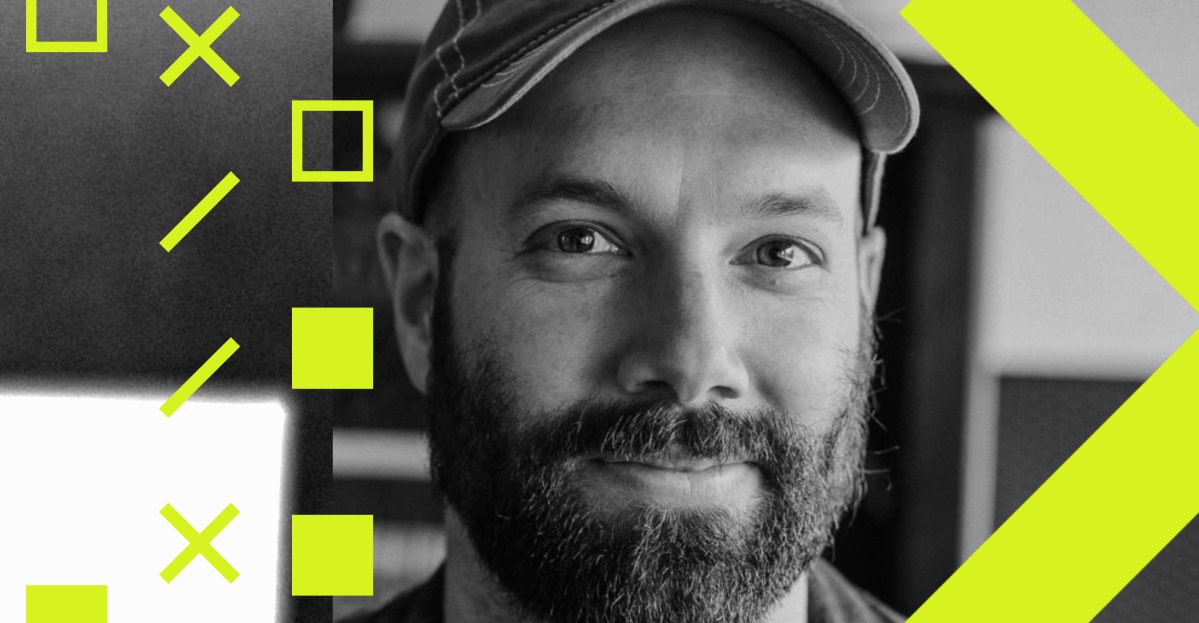
Patreon has turned itself into more of an audience platform, CEO Jack Conte told The Verge’s Decoder, adding discovery, feeds and media tools it once resisted. The shift matters for creators because Conte said major social platforms have weakened the direct link between artists and followers by moving toward interest-based recommendations.
In the interview with Nilay Patel, Conte described Patreon as an “index of small business media companies” and said the company’s job is to help those creators get paid and reach fans. He said that view marks a change from Patreon’s earlier focus on payments while creators used sites such as Facebook, Instagram, YouTube and TikTok to find audiences.
Conte said the biggest change since his last Decoder appearance in 2021 has been the move by large platforms away from follower-based distribution. In his view, that shift has hurt creators by making it harder for them to know that their fans will see their work, which also makes it harder to build communities and businesses.
Patreon adds tools it once avoided
The Verge noted that Conte had previously opposed adding discovery features to Patreon. Conte said the company changed course because relying on Facebook and other platforms as creators’ main audience pipeline was bad for both creators and Patreon.
According to Conte, Patreon has spent the past several years building native video, chat, discovery, short-posting tools and a feed. He said those products are meant to give creators more ways to grow audiences inside Patreon instead of depending on outside social networks.
Conte pointed to free memberships as one example. He described the product as a follower system that gives creators access to the email address tied to a member account, sends posts by email, and ranks those posts higher in Patreon’s feed for followers.
Conte said Patreon now has 185 million free memberships, roughly twice the figure from a year earlier. He also said about 35 million chat messages were sent on Patreon last year and that users watched 110 million hours of video on the service.
Open social web is on Conte’s radar
Conte told Decoder that creators still use major social platforms because that is where audience growth remains possible. He said the concentration of attention on those platforms is a core problem for creators and publishers.
Conte said he was excited that Flipboard CEO Mike McCue had joined Patreon’s board and cited McCue’s work on Surf, a feed-building app tied to open social services. He also said he is watching the open social web closely, including Bluesky, though he said that work is not currently on Patreon’s road map.
The Patreon chief argued that social media has had harmful effects while acknowledging that the internet has given more people ways to speak, publish and distribute media. He told Decoder that future systems for collaboration and media distribution need different architecture from the platform model of the past two decades.
Conte also described changes inside Patreon. He said hundreds of people work at the company, which is formally organized by function but plans and evaluates work around cross-functional objectives.
This story draws on original reporting from The Verge.