
Google loses final EU appeal over €4.1 billion Android fine
The EU’s top court upheld an antitrust penalty tied to Google’s Android app and search defaults, ending a years-long challenge.
By Hana Yoshida · Markets Reporter
3 min read
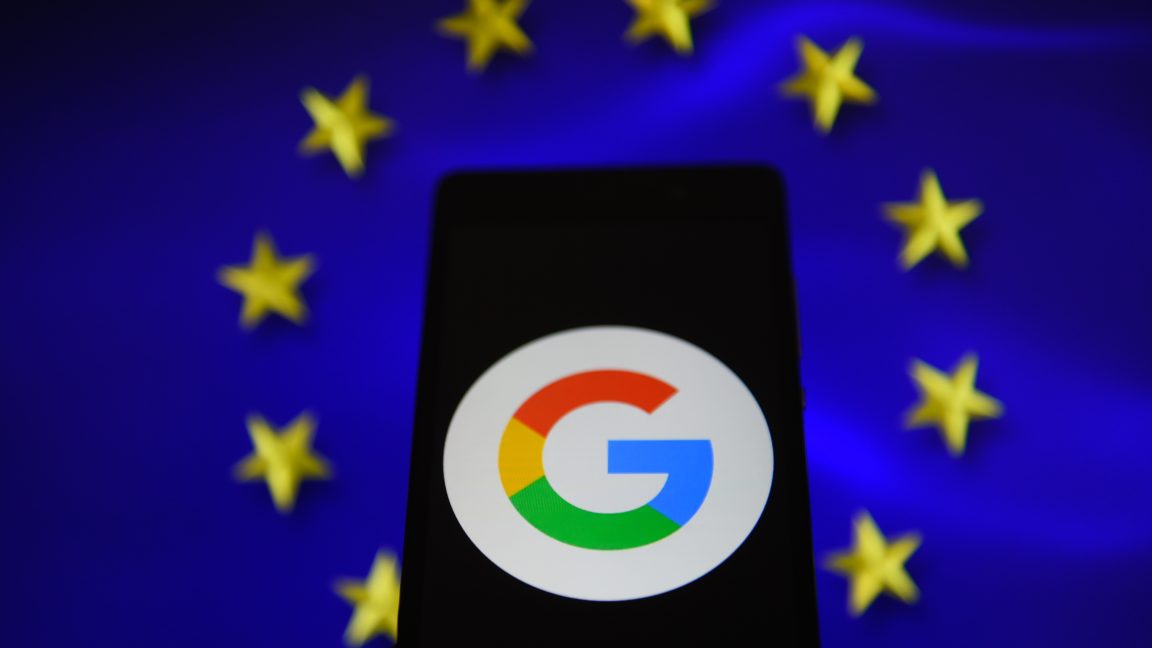
The Court of Justice of the European Union has rejected Google and Alphabet’s appeal of a landmark Android antitrust penalty, leaving the company to pay €4.1 billion, or about $4.7 billion. The decision matters because it ends one of Europe’s longest-running and most expensive cases against Google’s mobile business.
European regulators first fined Google €4.34 billion in 2018 after finding that the company abused its dominant position through Android licensing terms. A lower EU court reduced the amount in 2022, but kept the core finding in place, bringing the penalty to the current €4.1 billion total.
In its ruling, the Court of Justice said the appeal by Google and parent company Alphabet was dismissed, confirming the penalty tied to “Google Search’s abuse of a dominant position” in connection with Android. The judgment leaves Google without another EU court appeal in the case.
Android defaults were at the center of the case
The European Commission’s case focused on how Google packaged its own services on Android phones. Regulators objected to arrangements that made Google Search and Chrome the default choices on Android devices, including phones sold by manufacturers such as Samsung and Xiaomi under Google’s Android licensing agreements.
European antitrust officials said those terms gave Google an unlawful advantage by steering users toward its own search and browser products. The Android case is separate from another EU penalty against Google over advertising technology, which was set at €2.95 billion, or about $3.45 billion.
Google argued throughout the case that Android users had access to competing apps and search services. In 2018, Google CEO Sundar Pichai said Android had created “more choice, not less,” pointing to the availability of alternatives on the platform.
The dispute echoed earlier European action against Microsoft over Internet Explorer on Windows. In that case, Microsoft was pushed to offer browser choice screens after regulators challenged the way its browser benefited from Windows defaults.
Google says it changed its agreements
Google said it still disagrees with the decision, while noting that it had changed its contracts after the original 2018 ruling. “In any event, we adapted our agreements to comply with the initial decision back in 2018 and we remain focused on continued innovation and openness for our users, partners and developers,” the company said.
The Android ruling arrives as Google faces other legal and regulatory pressure over how open its mobile platform should be. Google has been increasing support for third-party app stores and alternative payment methods in the Play Store after litigation brought by Epic Games, according to the reported history of that dispute.
At the same time, Google has outlined plans for Android developer verification, a change that some open source advocates have described as a serious risk to Android’s open model.
EU regulators also have newer powers under the Digital Markets Act, which classifies Google and other large technology companies as gatekeepers subject to extra obligations. The European Commission is weighing how to use that law in areas including Android access for AI services and the sharing of search data with rivals.
This story draws on original reporting from Ars Technica.