
Nintendo seeks dismissal of tariff refund lawsuit
The company says Switch buyers are not entitled to any government tariff refunds Nintendo may receive after price increases.
By Hana Yoshida · Markets Reporter
4 min read
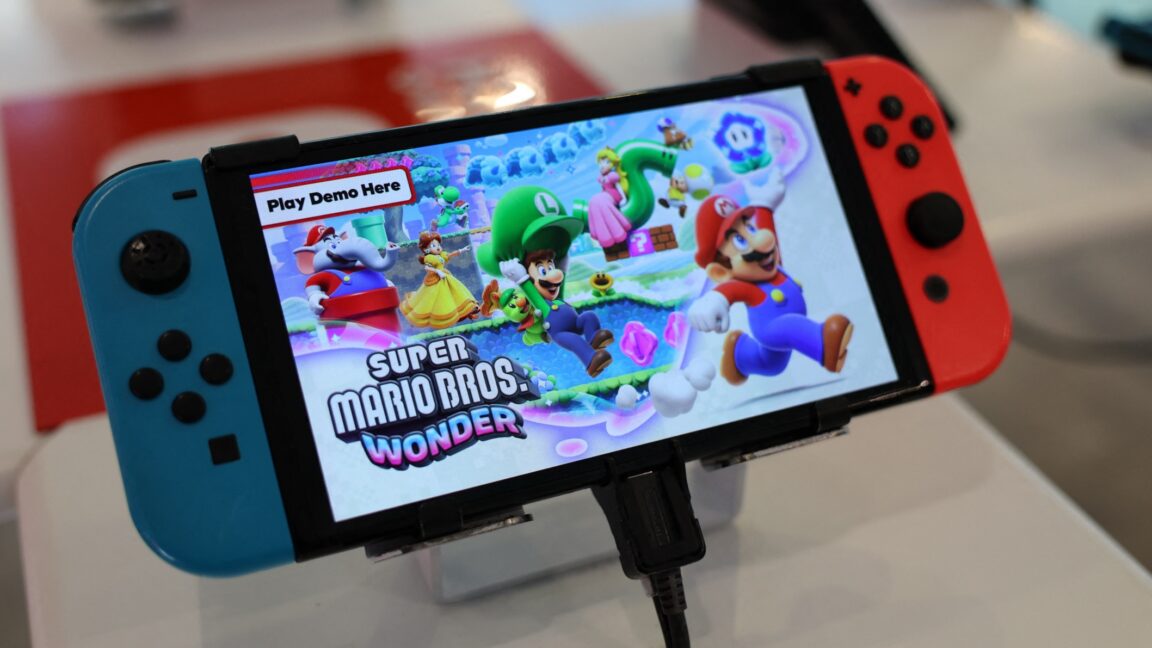
Nintendo is asking a federal judge to throw out a proposed class action that seeks tariff-related refunds for customers who bought its products. The case matters because consumers are trying to claim money from companies that raised prices during now-invalidated tariffs and later sought refunds from the federal government.
In a motion to dismiss filed in U.S. District Court for the Western District of Washington, Nintendo said customers who bought Switch consoles and other products have no legal claim to tariff refunds the company may receive from the government. Nintendo argued that the plaintiffs want the court to impose a new duty requiring businesses to revisit completed sales after a change in tariff law.
The lawsuit was filed in April by Gregory Hoffert of California and Prashant Sharan of Washington. According to their complaint, they seek to represent U.S. residents who bought Nintendo products between February 2025 and February 2026.
The complaint accuses Nintendo of unjust enrichment and of violating the Washington Consumer Protection Act’s ban on unfair or deceptive conduct. Hoffert and Sharan allege that Nintendo raised prices because of tariffs, did not tell customers it planned to seek tariff refunds, and should not keep refunds after passing tariff costs along to buyers.
According to the complaint, Nintendo increased prices on the original Switch console by $30 to $50 and raised prices on some Switch 2 accessories by $5 to $10. The plaintiffs argue that any profit tied to tariff-based price increases should not remain with Nintendo if the company also recovers duties from the government.
Nintendo says buyers got what they paid for
Nintendo’s motion says unjust enrichment does not fit a transaction in which customers voluntarily paid an advertised price and received the products they chose to buy. The company says any later government refund would belong to Nintendo, not to retail customers.
Nintendo also says the plaintiffs have not identified a legal basis requiring the company to pass government tariff refunds to consumers. Its filing argues that the customers’ theory would effectively force a retroactive price change after sales were already complete.
The dispute follows federal court rulings over tariffs imposed by President Donald Trump. According to the record described in the litigation, the Supreme Court ruled in February that Trump unlawfully imposed tariffs under the International Emergency Economic Powers Act, and a refund process for importers and authorized customs brokers began in April.
The U.S. Court of International Trade later found another round of Trump tariffs unlawful, according to the court developments cited in the case. The government refund process is not designed to send payments to consumers who indirectly paid higher retail prices.
Similar cases target other companies
Nintendo is not the only gaming company facing this type of claim. A similar lawsuit was filed in May against Sony by PlayStation buyers, and another lawsuit seeking refunds for Xbox buyers was filed against Microsoft on July 17.
Foley & Lardner lawyers wrote in a July 9 analysis that plaintiffs’ firms have filed more than 100 proposed consumer class actions against businesses seeking refunds for invalidated tariffs. According to that analysis, the cases have been brought in more than 30 federal districts across more than 20 states.
The Foley & Lardner analysis said the claims cover companies in several industries, including food manufacturing and logistics. The central theory, according to the firm, is that companies should not both pass tariff costs to customers and keep government refunds tied to those same tariffs.
Holland & Knight lawyers wrote in a legal alert that businesses facing these suits may argue that unjust enrichment is unavailable when a contract governs the sale. The firm also said companies may contend that tariff-related charges were collected while the tariffs were still legally in effect, before later court rulings.
Nintendo has also asked the court to compel arbitration for Hoffert’s claims, citing evidence that he accepted Nintendo agreements at least twice. Nintendo said in its dismissal motion that it may seek arbitration for Sharan’s claims as well if discovery shows those claims are covered by an arbitration agreement.
This story draws on original reporting from Ars Technica.