
Mexico screwworm human cases top 500 as study finds faster reporting rate
Mexico has logged more than 500 human screwworm cases since 2025, while a study found weekly reports rose sharply in 2026.
By James Whitfield · Staff Writer
3 min read
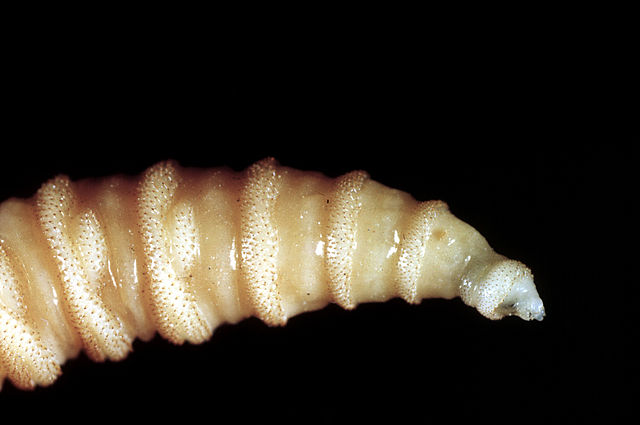
Mexico screwworm human cases have exceeded 500 across 2025 and 2026, according to Mexico’s Health Ministry surveillance reporting. A separate analysis of confirmed cases found the reporting rate rose from about three a week in 2025 to just over nine a week in 2026, indicating a faster pace during the study period.
The broader tally and the research results measure different groups. The ministry’s July surveillance report covered reported human cases over two years, while researchers analyzed 202 cases with sufficient information recorded from April 2025 through March 2026, according to Ars Technica’s report on the ministry data and the study in Emerging Infectious Diseases.
What is New World screwworm myiasis?
New World screwworm myiasis is an infestation caused by larvae of a parasitic fly. Female flies deposit eggs in wounds, inflamed tissue, mucous membranes or body openings of warm-blooded animals; the larvae hatch and feed on living tissue, Ars Technica reported.
Humans account for a small share of cases, while livestock are the principal hosts. The infestation is not passed person to person: NPR reported that an entomology professor described screwworm as an insect, rather than a virus, and said it is not contagious.
Who was affected in the Mexico case analysis?
Of the 202 patients included in the study, 145, or 72%, were male. Patients ranged in age from 12 to 93, with an average age of 61, and 77% had at least one underlying health condition, most often diabetes, alcoholism, cancer or a skin condition, according to the study findings reported by Ars Technica.
The lower legs and feet were the most frequent sites of infestation, accounting for 55% of cases. The next most common locations were the head and neck, including the nose, mouth and eyes. Researchers suggested that work exposure, time outdoors, contact with animals, untreated wounds or delays in seeking care could help explain the higher share of male patients, but did not establish a cause.
What is known about deaths and the spread?
Six deaths were reported among the 202 analyzed patients, but screwworm myiasis was listed as the cause of death in only one case. The other patients had serious conditions including cancer, encephalitis, respiratory failure or septic shock, Ars Technica reported.
Mexico had declared the fly eradicated in 2003. Ars Technica reported that Panama’s biological barrier against the pest was breached in 2022, and Mexico began recording animal cases in 2024; researchers found that the distribution of human cases tracked the animal outbreak.
The study authors called for human-health, animal-health, wildlife and agricultural agencies to coordinate surveillance, diagnosis, animal-movement controls and fly-suppression efforts ahead of the pest’s spread. That approach is intended to identify infestations and limit transmission by flies before human cases emerge in new areas.
This story draws on original reporting from Ars Technica.