
Kennedy Space Center faces capacity squeeze as giant rockets multiply
NASA’s watchdog says aging launch infrastructure in Florida may not keep up with SpaceX, Blue Origin and other users.
By Hana Yoshida · Markets Reporter
3 min read
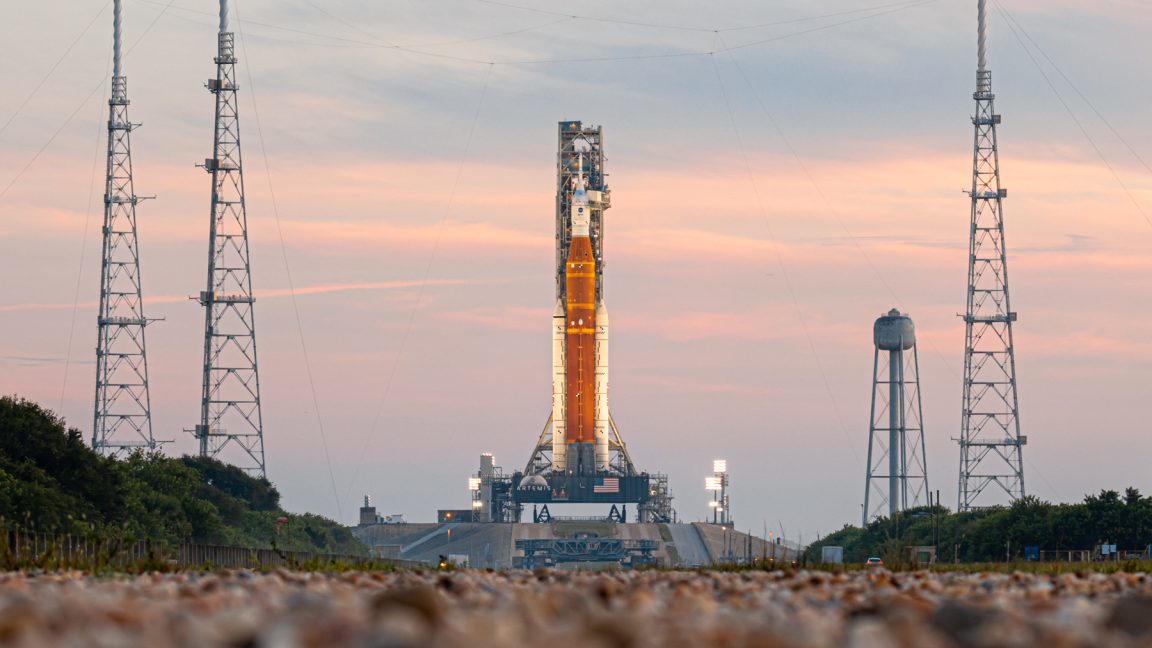
NASA’s inspector general says Kennedy Space Center’s launch infrastructure is aging and nearing its practical limits as commercial launch demand rises. The warning matters because SpaceX, Blue Origin and NASA missions increasingly depend on shared roads, utilities and commodity systems at the Florida spaceport.
The NASA Office of Inspector General reviewed launch facilities at Kennedy Space Center in Florida and Wallops Flight Facility in Virginia. Its most pressing findings centered on Kennedy, where the report said future activity by SpaceX’s Starship and Blue Origin’s New Glenn could put added pressure on systems built for a lower launch tempo.
Shared systems are under pressure
Kennedy has only a small number of NASA launch sites. Launch Complex 39A is leased by SpaceX for Falcon 9 and Falcon Heavy missions and is also being outfitted for Starship, while Launch Complex 39B supports NASA’s Space Launch System, according to the inspector general.
The report said Launch Complex 39C has not been used because it sits close to 39B. NASA has also built Launch Complex 48, a 10-acre site that could be leased to small-launch providers.
To the south, Cape Canaveral Space Force Station has more pads, including Launch Complexes 36A and 36B, which Blue Origin leases for New Glenn. Although the Space Force operates its own launch sites, the report said Kennedy and Cape Canaveral rely on some common infrastructure, including helium and nitrogen supply lines and 231 miles of paved roads and bridges.
The inspector general also flagged concerns about an electrical distribution system serving NASA launch pads that dates back roughly six decades. Those systems face heavier use as more companies schedule launches, tests and ground operations from nearby facilities.
Nitrogen capacity is a specific bottleneck
One problem cited by the report involves gaseous nitrogen, which is used during rocket fueling, testing and launch operations. NASA encountered nitrogen availability issues during the Artemis I campaign in 2022, and the inspector general said the capacity problem remains unresolved.
The report said the existing system cannot support Blue Origin’s New Glenn at Space Launch Complex 36 and United Launch Alliance’s Vulcan Centaur at Space Launch Complex 41 at the same time. Blue Origin officials told the inspector general that the issue created a major scheduling problem before the New Glenn-1 mission, which launched in January 2025.
Blue Origin officials also raised concerns that future Space Launch System campaigns could create one- to two-month periods when the pipeline is not available to them, according to the report. The inspector general said a new gaseous nitrogen system could add capacity, but the $25 million project has no funding.
Launch demand could outgrow the calendar
NASA officials expect annual launches and major test firings at the Florida range to reach or exceed the number of days in a year by late 2028 or 2029, the report said. The inspector general said large rockets would place the greatest demand on roads and launch commodities.
SpaceX told NASA it plans to launch Starship from Launch Complex 39A every eight days to support orbital propellant depots, according to the report. In a footnote, the inspector general said at least 15 Starship flights would be needed to deliver propellant for a Starship lunar lander.
Across its Florida pads, SpaceX estimates it could reach 120 Starship launches per year. Blue Origin projects the same annual rate for New Glenn by 2035, according to the inspector general.
Blue Origin has also expressed interest in a third New Glenn launch pad north of NASA’s existing pads, the report said. Kennedy officials identified a possible site north of Launch Complexes 39A and 39B, but the inspector general said the area is protected wetland and would require extensive federal and local review.
The report said NASA’s budgets for construction and maintenance tied to launch infrastructure have fallen between 11% and 47% since 2021 after adjusting for inflation. The inspector general also said current law makes it hard for NASA to accept commercial funding for large shared-infrastructure projects.
This story draws on original reporting from Ars Technica.