
Health column casts doubt on smart scale precision
Victoria Song wrote that measuring body composition on five devices still left her without a clear body fat number.
By James Whitfield · Staff Writer
2 min read
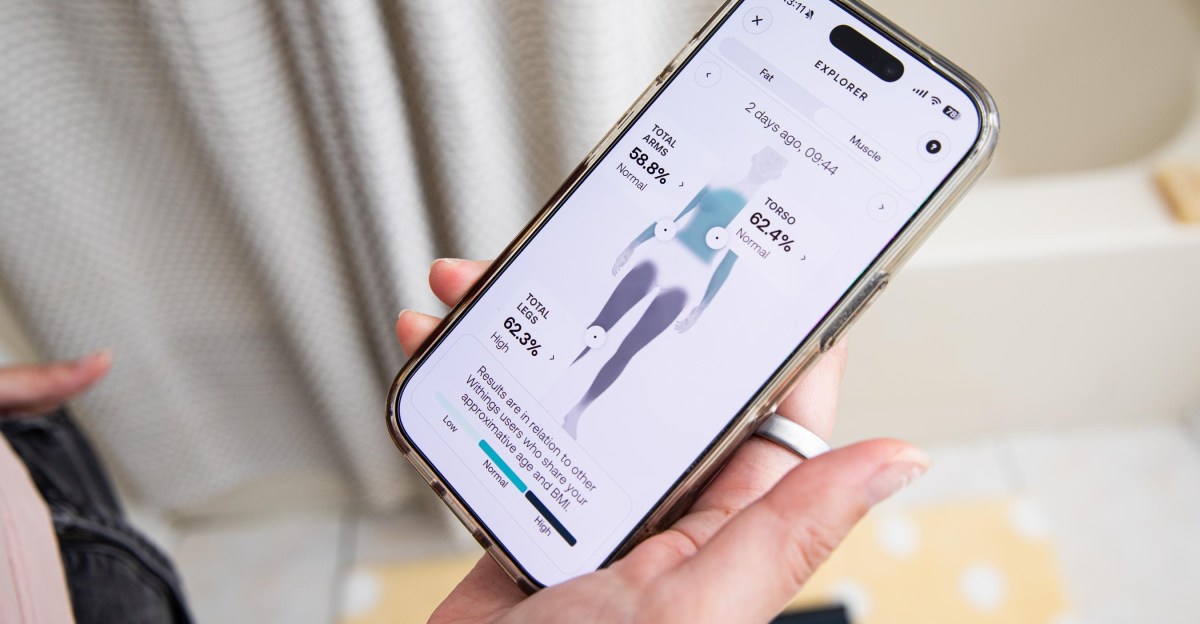
Consumer body-composition tracking can produce more data than certainty, according to a new health-tech column by Victoria Song. Song wrote that she measured herself on five devices and still could not identify her exact body fat percentage, a point that undercuts the promise of precision in smart scales.
Song, a senior reporter at The Verge who covers wearables and health technology, framed the piece around a medical warning she received about three years earlier. She wrote that a doctor told her to reduce abdominal fat after lab results showed borderline high cholesterol and one mildly elevated liver enzyme.
According to Song, the doctor was not focused on overall weight loss. Song wrote that the doctor said her body mass index and weight were acceptable, but that she should try to lose about five pounds of fat above the belly button, where the doctor said visceral fat was located.
Song said the doctor connected the concern to her diagnosis of polycystic ovary syndrome, now known as polyendocrine metabolic ovarian syndrome. In Song’s account, the doctor warned that Type 2 diabetes was a risk unless she changed her body composition.
Smart scales entered the picture
The doctor recommended a smart scale and a vegan diet, Song wrote. Song said she did not follow the diet advice and later changed doctors after the same physician suggested what Song described as a dubious dieting podcast.
She did, however, begin using smart scales more seriously. Song described that effort as a yearslong and frustrating attempt to understand body composition through consumer devices.
Smart scales rely on a method called bioelectric impedance analysis, or BIA, Song wrote. According to her column, BIA-based scales provide readings for body fat, lean mass and bone mass, while some more advanced models add other measurements depending on the device.
The central finding from Song’s experience was limited rather than conclusive. Even after using five devices, she wrote, the readings did not leave her confident about her exact body fat percentage.
The column highlights a common tension in consumer health gadgets: the devices can present numbers that appear precise, while users may still be left uncertain about what those numbers mean for their health. Song’s account does not reject tracking outright, but it questions whether exactness is the most useful goal for people trying to interpret body-composition data.
This story draws on original reporting from The Verge.