
Google’s $99 Home Speaker gets early praise for sound, not controls
Early hands-on testing found strong audio and reliable wake-word detection, but the compact Gemini speaker’s minimalist design may make it harder to use.
By Maya Lindqvist · Senior Technology Correspondent
3 min read
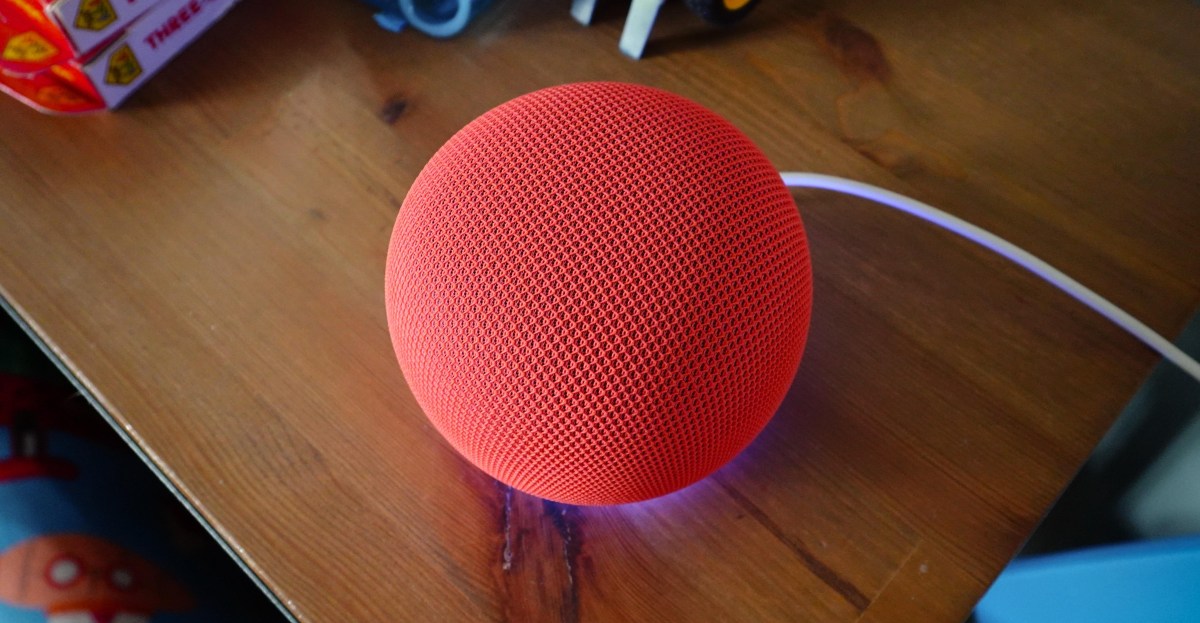
Google’s new $99 Home Speaker is meant to bring Gemini deeper into the home, and early testing suggests the small device delivers stronger audio than its size implies. The Verge’s David Pierce reported that the speaker also showed reliable voice pickup, a key test for a product built around hands-free AI commands.
Pierce wrote that the speaker’s three microphones responded consistently to “Hey, Google” during two days of use, including while music was playing at full volume. He said the only miss came when he whispered from another room, and he also found that the device performed well when used from a bathroom shower, where Siri often struggled to hear him over running water.
Google is positioning the Home Speaker as more than a music device, according to The Verge. Pierce reported that the product is designed for controlling smart-home devices and using Gemini for tasks such as planning a day, finding information and getting things done through an ambient assistant.
Small speaker, strong sound
The Verge’s hands-on assessment described the Home Speaker as a capable compact audio device, with a mesh-covered body that produced a full sound and enough volume for a kitchen or background listening setup. Pierce wrote that most users probably would not need to push it to maximum volume for those uses.
Compared with Google’s older Nest Audio, Pierce said he did not have the previous speaker available for direct testing but remembered it as louder and better sounding, as well as much larger. Against a UE Wonderboom, a similarly sized Bluetooth speaker, he found the Wonderboom louder and more focused on vocals and higher frequencies, while the Home Speaker emphasized bass more.
The Verge’s comparison was less favorable to Amazon’s Echo Dot Max. Pierce wrote that Google’s speaker sounded cleaner, louder and sharper across the board, making Amazon’s device resemble an oversized phone speaker by comparison.
Design choices add friction
Pierce praised the Home Speaker’s appearance, describing it as a colorful, softball-sized object with a fabric-like look. The device comes in four colors, and The Verge’s test unit was red. Its exterior has no visible buttons or controls, with only a white USB-C cable disrupting the design.
That clean look creates usability trade-offs, according to The Verge. Pierce reported that volume is controlled by tapping the left or right side, but the touch areas are small and the round shape makes orientation less obvious. A tap on top pauses and resumes music, which he said worked without issue.
The speaker’s light ring also drew criticism. Pierce said the ring sits underneath the device and can be hard to see unless the speaker is above the user’s line of sight, limiting visible feedback when Gemini is listening or responding.
The Home Speaker does not work as a standard Bluetooth speaker, according to The Verge. It supports Google Cast, can be grouped with other Home Speakers for synchronized playback, and can be paired with a Google TV Streamer to improve TV audio. Pierce wrote that multiple units would not replace a Sonos system or soundbar, though he expected them to outperform built-in TV speakers.
The Verge said a full review is still pending after more testing of both the hardware and Gemini. Pierce noted that Google has not released a smart speaker in six years, making the assistant’s performance central to whether the new Home Speaker proves worth the wait.
This story draws on original reporting from The Verge.