
Genome project aims to cover all listed US endangered species
A US partnership with Colossal Biosciences will sequence genomes and bank tissue samples from more than 2,300 endangered plant and animal populations.
By Hana Yoshida · Markets Reporter
3 min read
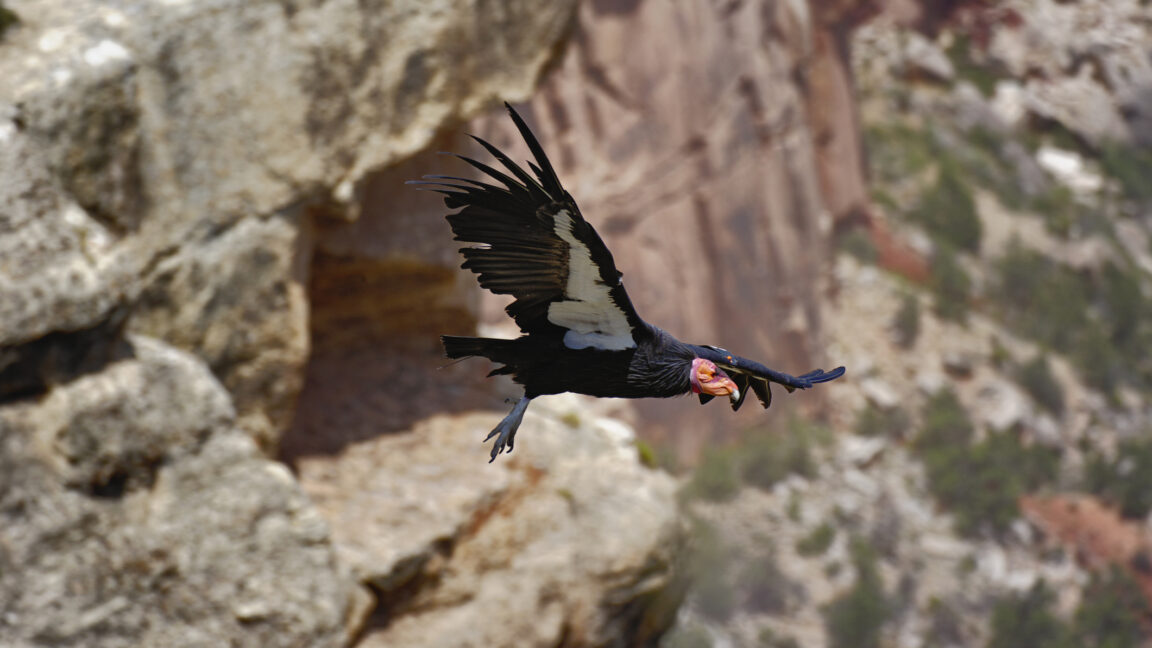
A new partnership will collect tissue samples and produce genome sequences for every plant and animal population on the US endangered species list, according to announcements described by Ars Technica. The effort could give conservation agencies and researchers a broader genetic record to support breeding, population management and possible future restoration work.
Ars Technica reported that more than 2,300 plant and animal populations remain listed under the US Endangered Species Act. The law requires the federal government to identify species at risk of extinction and develop recovery plans for those species and their habitats, according to Ars Technica, which noted the bald eagle as one of the act’s best-known recovery successes.
The project brings together the US Fish and Wildlife Service and Colossal Biosciences, a biotechnology company best known for work it describes as de-extinction research. Ars Technica reported that the agency will supply field collection and sampling expertise for the archive.
Colossal has said its work has a conservation purpose, while its highest-profile projects have focused on attempts to recreate extinct species through gene editing and reproductive technology, according to Ars Technica. The outlet reported that the company expects those technologies could be licensed commercially.
Ars Technica also reported that some scientists have questioned Colossal’s approach after its dire wolf announcement, which involved making a small number of genetic edits to gray wolves. The company’s view of what counts as a restored species has drawn scrutiny, according to the report.
Samples for a long-term archive
The new program centers on Colossal’s BioVault, which the company describes as a repository for tissues and reproductive cells from species at risk. Ars Technica reported that such a facility requires substantial power and a steady supply of liquid nitrogen to preserve biological material.
Colossal’s announcement said the project will add samples from all US endangered species to the vault and use those samples to build whole-genome sequences. The company said the stored materials could support assisted reproduction, genetic management of populations and, if species are lost, possible future restoration.
The Fish and Wildlife Service, as well as other groups that first obtain samples, will keep authority over how resulting biological materials are used, according to Ars Technica. That condition gives sample collectors a role in decisions about future research or conservation applications.
Data access may have limits
Colossal said genomic data from the partnership will be placed in open-access repositories and made available at no cost, according to Ars Technica. The company said the goal is to provide reference genomes, population-level sequence data and bioinformatics tools for scientists and conservation workers.
Ars Technica reported that Colossal later clarified that access may not be unlimited in every case. Some samples may come from lands under tribal authority, and some location or population-level information could increase poaching risks for vulnerable species, according to the report.
This story draws on original reporting from Ars Technica.