
FCC moves to bar Skyrover, Xtra and other suspected DJI-linked devices
The agency is seeking to block imports and sales of already approved drones and cameras tied to alleged DJI front companies.
By Hana Yoshida · Markets Reporter
3 min read
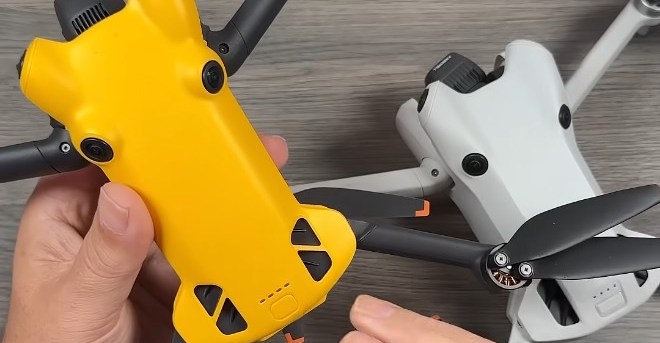
The Federal Communications Commission is preparing to use a new retroactive device-ban power against companies it suspects are moving DJI-related products into the U.S. under other names. If adopted, the proposal could force drones and cameras from brands such as Skyrover and Xtra off major retail sites even if the products already won FCC approval.
The FCC said it has tentatively found that several companies are selling equipment that should be restricted on national security grounds. The Verge reported that this would be the first use of authority the agency gave itself last year to revoke or limit approvals for devices already cleared for import and sale.
Proposal targets imports and sales
The FCC said it is proposing to prohibit the targeted companies from continuing to import, distribute, market and sell covered equipment in the United States. The move follows an earlier FCC proposal to fine eight companies $25,000, according to The Verge.
The companies named by the FCC include Cogito Tech, Fixaxo Technology, Lyno Dynamics, Skyhigh Tech, Spatial Hover, SZ Knowact, WaveGo Tech and Xtra Technology. The Verge reported that SZ Knowact and WaveGo Tech are behind Skyrover, while Xtra sells camera products resembling DJI gear.
The Verge said one example is Xtra’s version of DJI’s Osmo Pocket 3-style camera, which had received FCC approval before the foreign drone restrictions were imposed and was recently available through Amazon with next-day shipping. Under the FCC proposal, that kind of product could be removed from online retailers and company websites, according to The Verge.
The proposed action would not apply to devices consumers have already bought, The Verge reported. The FCC is taking public comments for 30 days and said it will consider specific evidence from the companies or others before deciding whether to finalize the restrictions.
Companies did not provide requested information
The FCC said the targeted companies did not respond to its requests for information. The agency also named XAG, an agricultural drone brand, which The Verge reported responded once but did not provide the information the FCC requested.
The FCC also said it has “temporarily deferred the grantee codes” of the companies, according to The Verge. The Verge reported that the agency did not define the phrase and that a former FCC official said he had not heard it before; the outlet said it asked the FCC whether that means the companies cannot get future devices authorized for U.S. import and sale.
The FCC is also moving against SGS-CSTC Shenzhen, a Chinese testing lab that helped authorize some of the products, The Verge reported. The FCC said it is beginning a proceeding to withdraw recognition of the lab.
According to The Verge, SGS-CSTC told the FCC it is not controlled by the Chinese government because China-owned CSTC holds 15 percent of the lab. The Verge reported that U.S. radio authorization rules treat an entity as having control when it owns 10 percent or more of a company.
The broader fight centers on U.S. restrictions aimed at foreign drones and DJI, the Chinese company that dominates the consumer drone market. The Verge reported that the U.S. government has not publicly released specific evidence showing that foreign drones pose a national security threat or explaining why non-drone products such as cameras should fall within the same crackdown.
This story draws on original reporting from The Verge.