
FCC drone ban faces scrutiny over Odyssey Robot office claim
The Verge found a sparse Pasadena office for Odyssey Robot as it questioned a waiver system for foreign drones.
By Hana Yoshida · Markets Reporter
3 min read
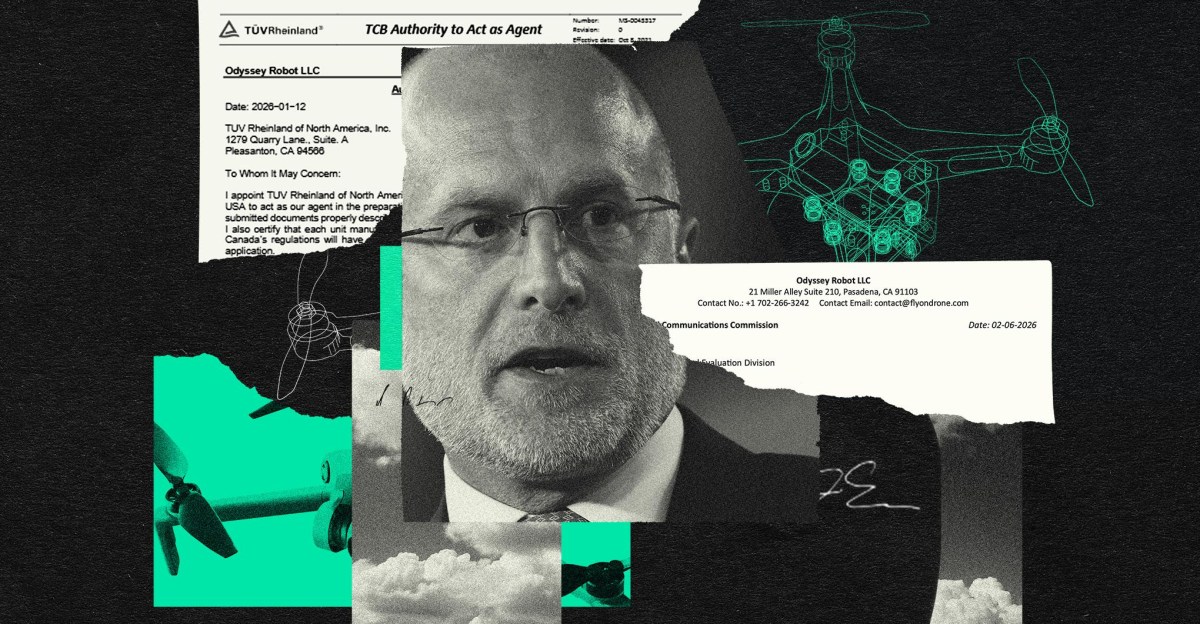
The FCC drone ban is drawing new scrutiny after The Verge reported that a Pasadena, California, office listed for Odyssey Robot showed little visible sign of a working drone operation. The report matters because Odyssey Robot is described as a US drone startup at a time when the government is restricting future foreign-made drones unless companies secure a special waiver.
According to The Verge, the office identified with Odyssey Robot sits inside a coworking-style building with shared tables, snacks and glass-walled meeting rooms. The publication said Office 18, described as the company’s headquarters, contained three small desks and chairs, two desks covered with sealed cardboard packages, and no monitors, keyboards, chargers, power strips or decorations.
The Verge reported that the same room was where Odyssey Robot had claimed to be manufacturing drones. The visible condition of the office, the publication said, raised questions about how the government’s drone restrictions are working in practice.
What is the FCC drone ban?
The Verge reported that on Dec. 22, 2025, the US government said foreign consumer drones created an unacceptable national security risk. With help from other agencies, FCC Chairman Brendan Carr barred future foreign drones from entering the US unless they receive a new waiver, according to the publication.
The report said the government did not provide public evidence supporting the national security claim. It also said the waiver process does not ask applicants to change, restrict or improve the technology inside the drones.
Why Odyssey Robot is part of the story
Odyssey Robot is described by The Verge as an upstart American drone company. Its Pasadena office became part of the reporting because the foreign-drone restriction is tied to a broader push to favor domestic alternatives over foreign-made devices.
The Verge framed the sparse office as evidence that the ban may be easier to route around than to enforce. The report did not include a response from Odyssey Robot in the portion available, and it did not state whether the company has sold drones or received a waiver.
What the waiver system appears to test
According to The Verge, the waiver application focuses on permission to bring foreign drones into the country rather than on technical safeguards. The publication compared the approach to a separate FCC action involving consumer internet routers, saying both policies leave product-security questions largely unaddressed.
The Verge reported that Carr and President Donald Trump hold power under the waiver structure to determine which companies can keep selling or importing covered products. The publication characterized that as a political and industrial-policy choice rather than a technical security review.
The available details leave key questions unresolved, including how the FCC evaluates waiver requests, how foreign-made drones already in use are treated, and what standards apply to companies presenting themselves as US drone makers. The Verge’s reporting centers on whether the current system can deliver the security goals the government cited when announcing the restriction.
This story draws on original reporting from The Verge.