
FCC broadcast ownership cap vote puts Brendan Carr under scrutiny
The FCC will vote Aug. 6 on ending the 39 percent TV station ownership limit as Carr argues streamers changed the market.
By Maya Lindqvist · Senior Technology Correspondent
3 min read
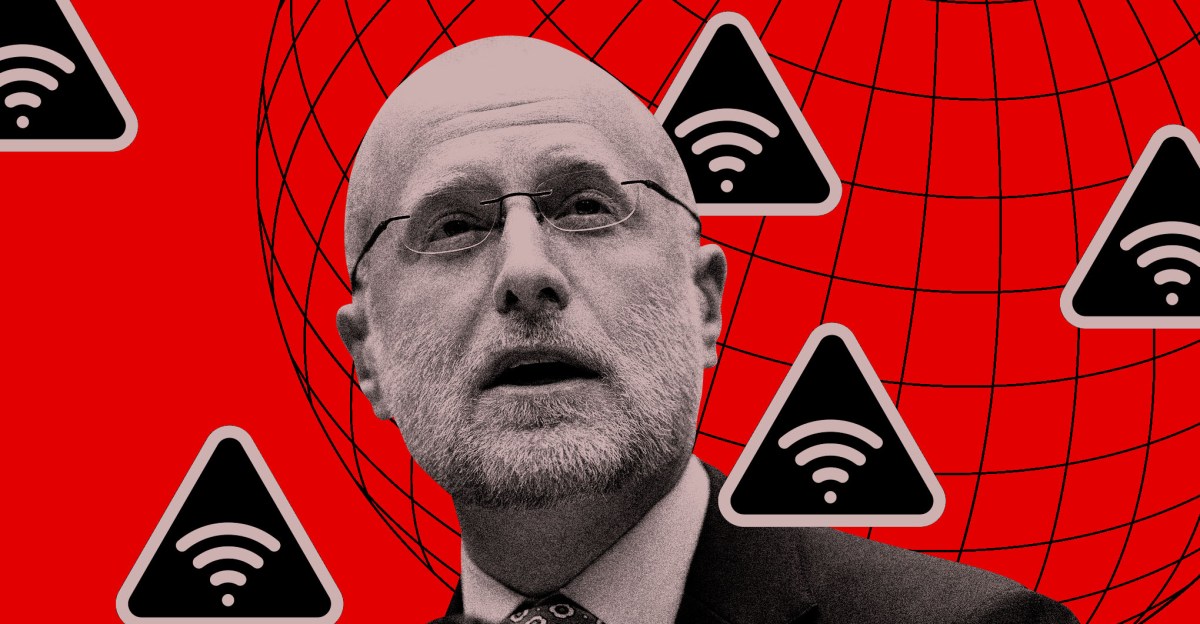
The FCC broadcast ownership cap could be headed for repeal under Chair Brendan Carr, who announced that commissioners will vote Aug. 6 on whether to end the national rule limiting how many TV households one company’s stations can reach. The vote matters because the rule has been used to keep any single broadcaster from controlling too much of the local TV market.
Carr announced the vote in a July 15 Breitbart op-ed. He argued that the 39 percent cap no longer fits a media market where social media companies and streaming services can reach “100 percent of the country” without using public airwaves.
Under Carr’s argument, according to the op-ed, the cap blocks broadcast owners from building the same scale available to online and streaming competitors. The rule was designed to stop one company from dominating broadcast TV and to encourage service to local communities, The Verge reported.
What is the FCC broadcast ownership cap?
The national broadcast ownership cap limits a single company from owning TV stations that collectively reach more than 39 percent of US television households. If the FCC ends it, large station groups could seek to expand beyond that threshold.
The planned vote comes as Carr faces broader criticism over how he has used FCC authority since Donald Trump won a second term. The Verge has reported that Carr has threatened broadcasters over speech involving jokes or coverage related to Trump, including pressure that preceded ABC briefly pulling Jimmy Kimmel from his late-night program.
Why is Brendan Carr facing First Amendment criticism?
Several episodes have kept Carr at the center of a fight over government pressure on media companies. In June, Senate Commerce Committee Chair Ted Cruz, a Texas Republican, and Sen. Ron Wyden, an Oregon Democrat, introduced the JAWBONE Act, which would let Americans seek damages if a government official illegally tries to coerce a social media, AI or broadcasting company to remove a post, whether or not the company complies.
The bill would also add transparency requirements for government communications with those companies, according to the senators’ announcement. The proposal followed the controversy over Kimmel and wider concerns about officials pressing private platforms or broadcasters over speech.
Former FCC commissioners and staffers from both parties have also asked the US Court of Appeals for the District of Columbia to force the FCC to vote on a petition to repeal its News Distortion Policy, The Verge reported. The group filed the repeal petition in November 2025 after Carr invoked the policy in connection with ABC’s temporary suspension of Kimmel, and the former officials argue the policy has been abused.
Other FCC actions under Carr have drawn attention beyond late-night television. The FCC’s Media Bureau announced in April that it was seeking public comment on whether the TV ratings system has properly handled children’s programs featuring transgender or nonbinary characters, saying it was responding to alleged concerns about gender identity issues in children’s programming.
Carr has also faced questions about broadcast licenses and coverage of the war in Iran. After an event hosted by FGS and Semafor, he told reporters that his earlier comments were not meant as a threat tied to Iran war coverage, saying he had been quoting a tweet, according to The Verge.
The Aug. 6 ownership-cap vote gives Carr another high-profile test of how the FCC will treat broadcasters. Supporters of ending the cap can point to competition from online platforms; critics have focused on media concentration and the chair’s willingness to pressure broadcasters over content.
This story draws on original reporting from The Verge.