
Facial recognition smart locks get a cautious nod in testing
A Verge reviewer found face-unlocking door locks useful, though ultrawideband remained the better hands-free option when available.
By Hana Yoshida · Markets Reporter
2 min read
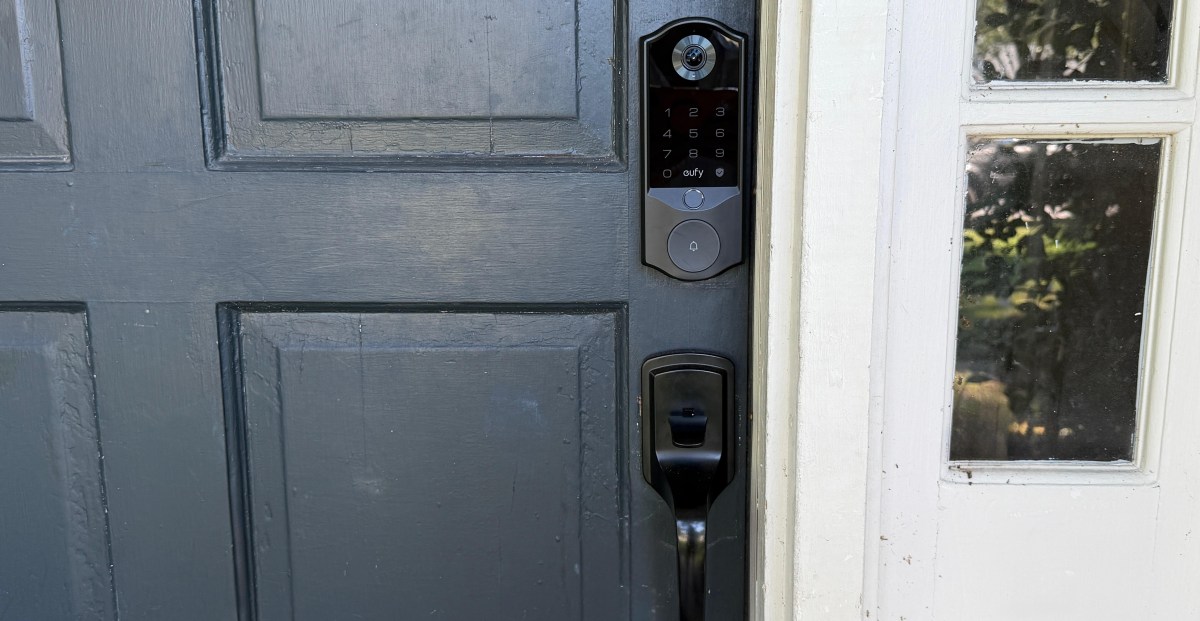
Facial recognition smart locks performed well enough in recent testing to be worth considering for people who want a door that unlocks without a code, key or phone. The finding matters because the smart-lock market is moving toward hands-free entry, but the best version of that idea is still limited and costly, according to The Verge.
Jennifer Pattison Tuohy, a senior reviewer at The Verge who covers smart home and connected devices, said she tested four smart locks that can open after recognizing a person’s face. Her conclusion was that face unlocking can deliver the kind of low-friction entry many smart-home products promise, even if it is not the top option she has tried.
Tuohy said ultrawideband, or UWB, provided the best hands-free unlocking experience in her testing. That approach uses a UWB radio to identify a person as they approach, with a phone or watch carried on them, and she described it as fast and reliable.
The drawback, according to The Verge, is availability and price. Tuohy wrote that locks with UWB antennas remain expensive and that only a small number are on the market.
Why face unlocking has a role
Facial recognition fills a different gap, Tuohy said. It can work in situations where a person does not have a phone or watch with them, which a UWB setup needs for identification.
Tuohy pointed to a household example from her own testing. While reviewing the Schlage Sense Pro, she said she found a practical use case because her husband often leaves his phone inside while working outdoors or in the garage, preventing phone-based hands-free unlocking from helping him.
The review also put facial recognition in context with older smart-lock automation. The Verge said geofencing-based auto-unlock has existed for some time, but Tuohy found it can be slow and unreliable and depends on an app running in the background on a phone.
By comparison, facial recognition borrows a behavior many people already use on smartphones: looking at a device to unlock it. Tuohy framed that familiarity as part of the appeal for bringing the same interaction to a front door.
The Verge identified the Eufy FamilLock E40 in a photo caption tied to the review, while the article also referenced the Schlage Sense Pro as the UWB lock review that shifted Tuohy’s view of face-unlocking locks. Tuohy’s broader takeaway was cautious rather than absolute: UWB was better in her testing, but facial recognition had enough real-world value to merit consideration.
This story draws on original reporting from The Verge.