
Energy Department removes conservation pages during US heat wave
The Verge reported about 6,000 Energy Department pages went offline as officials and politicians debated air-conditioning advice.
By Hana Yoshida · Markets Reporter
2 min read
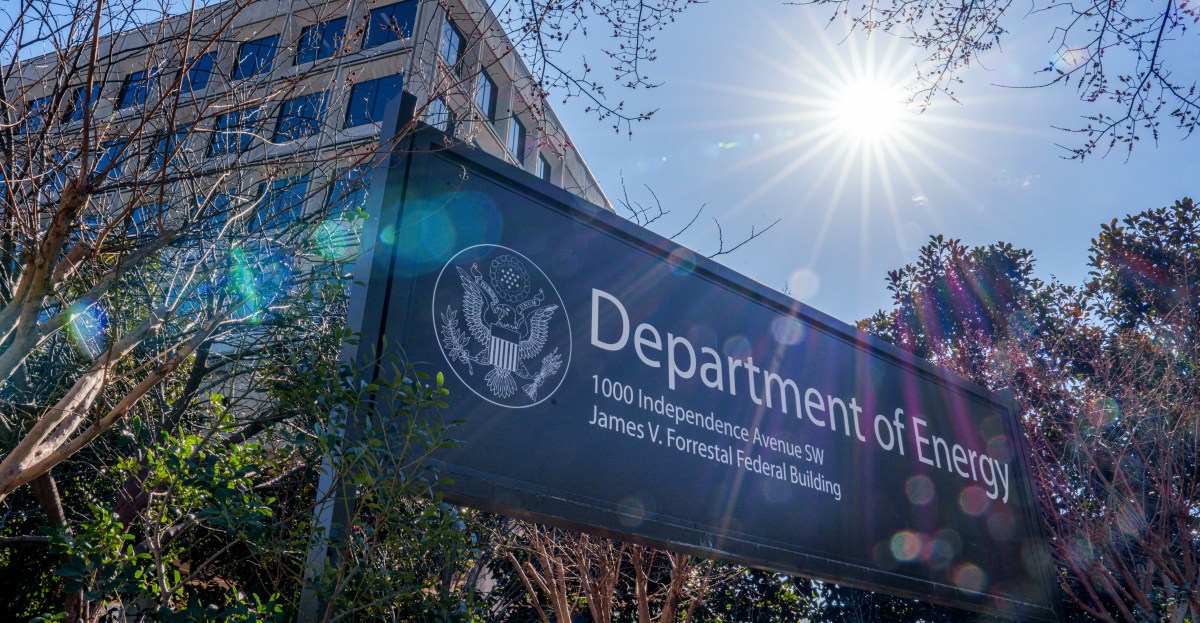
The U.S. Department of Energy has removed roughly 6,000 web pages tied to energy conservation, The Verge reported, as a severe heat wave drives up electricity demand across the country. The deletions matter because some of the missing material covered the same household conservation steps officials often recommend when power grids are under stress.
The Verge reported that the pages were taken down under the Trump administration and that the removals were broad. The missing Energy Department material included pages on saving energy, water conservation, insulation types and the agency’s Solar Decathlon challenge, according to the report.
The Internet Archive has copies of pages from the Energy Department’s Energy Saver section that are no longer available on the department’s site, The Verge reported.
Thermostat advice drew political attacks
The removals came after New York City Mayor Zohran Mamdani urged residents to set air conditioners to 78 degrees to reduce pressure on the power grid during the heat wave, according to The Verge. The advice drew criticism from several Republicans, including Sen. Ted Cruz, former U.N. Ambassador Nikki Haley and Rep. Nancy Mace of South Carolina, The Verge reported, citing coverage from CBS News New York and The Hill.
The Verge reported that critics characterized the request in ideological terms, including as socialism. Mace also framed the air-conditioning guidance as harmful to women in menopause, according to the report.
Energy-saving thermostat settings are common guidance during hot weather, The Verge reported. The Energy Department had previously advised Americans to keep thermostats between 75 and 78 degrees, according to the report.
The Verge also noted that Republican governors in Texas have issued similar conservation requests in earlier heat events, including Gov. Greg Abbott. Such requests are aimed at reducing electricity use when high temperatures push more homes and businesses to run air conditioning at the same time.
Heat strained New York’s grid
New York City saw temperatures above 95 degrees for four straight days, The Verge reported. Two of those days passed 100 degrees.
Those conditions can increase stress on the electrical grid, particularly when more people are at home during a holiday weekend, The Verge reported. Air conditioning is one of the biggest drivers of electricity demand during heat waves, which is why public officials often ask residents to adjust thermostats or reduce other power use.
The Department of Energy pages removed from public view covered more than air-conditioning guidance, according to The Verge. The scope of the deletions included information on home efficiency and conservation topics that consumers could use to cut utility demand during periods of high heat.
This story draws on original reporting from The Verge.