
Doom experiments run on stock Neo Geo despite hardware limits
Two new hacker projects have advanced Doom ports for Neo Geo, despite earlier doubts about the console’s sprite-based graphics system.
By Hana Yoshida · Markets Reporter
2 min read
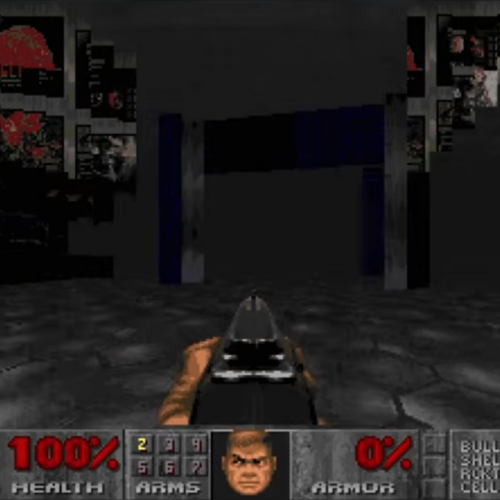
Hackers have made visible progress toward getting Doom running on unmodified Neo Geo hardware, challenging a recent assessment that the console could not handle the game in a practical way. Ars Technica reported that two projects now show functional movement toward Neo Geo Doom ports, though both rely on visual trade-offs.
The work follows a June video from Modern Vintage Gamer, known as MVG, which argued that Doom was functionally out of reach for the Neo Geo. MVG pointed to the system’s sprite-based display hardware and its lack of a frame buffer, both of which make the 1993 shooter a poor fit for the arcade-derived console.
In a newer video, MVG said the new projects do not amount to the kind of polished port that could likely have been sold on consoles in the 1990s. The results still show that programmers can sometimes work around old hardware limits in ways that look unlikely on paper.
How Doom64KB approaches the problem
One of the projects, Doom64KB, comes from coder FrenkelS. According to its GitHub page, the Neo Geo version builds on an earlier Doom project by the same developer that targeted 16-bit PC processors, including the 8088 and 286.
That earlier engine gives the Neo Geo experiment a stripped-down foundation. FrenkelS then uses the console’s fix layer as a rough substitute for a frame buffer, according to Ars Technica.
The fix layer is normally used for interface elements such as menus and heads-up display information placed over gameplay, according to Neo Geo development documentation. In Doom64KB, that display area is pressed into a different role so the system can draw something closer to the kind of screen image Doom expects.
The approach comes with clear limits. Ars Technica reported that the Neo Geo projects make substantial graphical compromises, which reduces their usefulness as evidence that a full commercial-quality 1990s port would have been realistic.
Even so, the demonstrations are notable because they run against the conventional reading of the machine’s strengths. The Neo Geo was built around sprite-heavy arcade games, while Doom depends on techniques more naturally suited to hardware with a frame buffer.
MVG’s revised look at the experiments frames them as clever technical achievements rather than finished consumer products. The projects show that “impossible” can be a risky label in retro development, especially when coders are willing to accept severe constraints to make old hardware do something it was not designed to do.
This story draws on original reporting from Ars Technica.