
Chinese rocket stage breakup adds debris near ISS and Starlink orbits
The U.S. Space Force said it is tracking debris from a Zhuque-2E upper stage, with no current threat to human spaceflight.
By James Whitfield · Staff Writer
3 min read
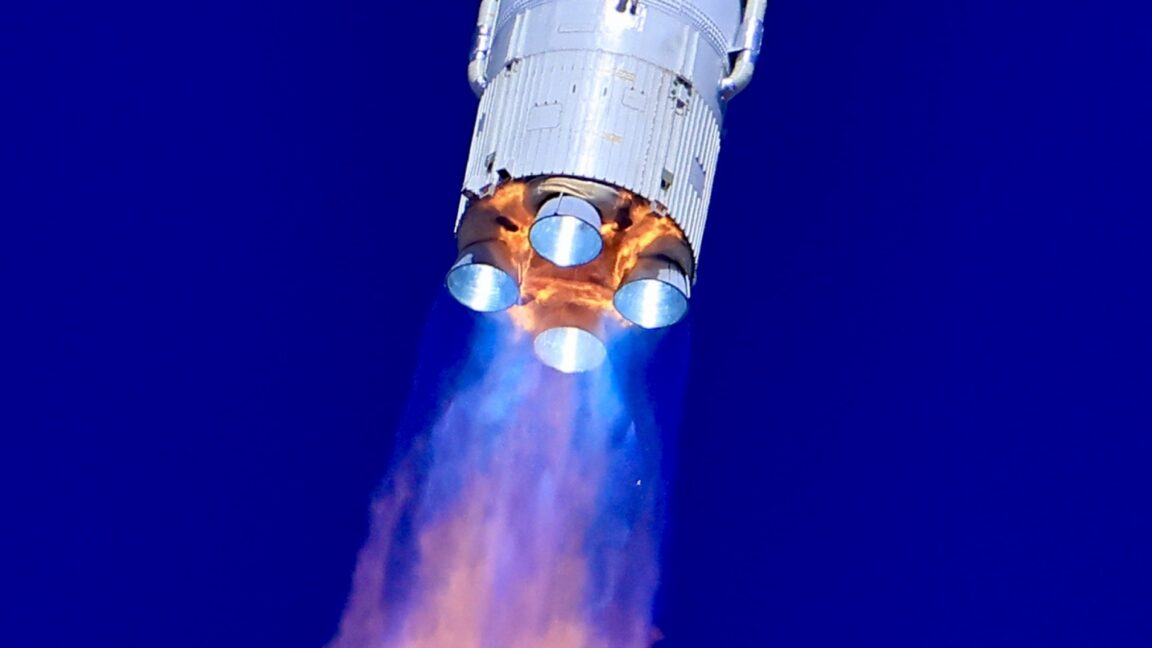
A Chinese rocket upper stage broke apart in low-Earth orbit after a June 9 launch, adding debris to an orbital region used by the International Space Station and many SpaceX Starlink satellites. The event adds to concerns among space-tracking specialists about spent rocket bodies left in orbit, especially as China increases its launch rate.
The U.S. Space Force confirmed the breakup in an advisory on space-track.org, its public portal for orbital data. The service said the fragments it is tracking are being added to routine collision-risk screening and that there are “currently no threats to human spaceflight.”
Debris field follows Zhuque-2E launch
The rocket was a Zhuque-2E built by LandSpace, a commercial Chinese launch company. Ars Technica reported that the vehicle reached orbit on June 9 with two satellites designed for direct-to-cell communications, and that the breakup happened soon after orbital insertion, possibly near the time the upper stage was expected to conduct a disposal burn.
The Space Force has not yet placed any fragments from the breakup into the official catalog of human-made objects in orbit. Darren McKnight, a senior technical fellow at orbital intelligence company LeoLabs, told Ars Technica the event likely produced about 100 to 150 pieces of debris.
Before it fragmented, the Zhuque-2E second stage was about 25 to 30 feet long and 11 feet wide, according to Ars Technica. The main remaining body is in an orbit ranging from 208 miles to 263 miles above Earth, at an inclination of 54.5 degrees to the equator.
That path reaches the altitude range of the International Space Station, but atmospheric drag is expected to lower the debris quickly enough to pull fragments below the station’s orbit, according to Ars Technica. McKnight said the debris may be more relevant for Starlink satellites that operate at lower altitudes, including direct-to-device spacecraft and newly launched satellites.
Short-lived debris, broader concern
The relatively low orbit means most of the debris should reenter the atmosphere within months, according to Ars Technica. Most material is expected to burn up during reentry. Debris generated above about 400 miles can remain aloft for decades or longer.
The breakup fits a wider pattern flagged by space-debris analysts. Ars Technica reported that launch operators in many countries now reserve propellant to guide spent upper stages into controlled reentries, rather than leaving them as large, unmanaged objects in orbit.
Rocket bodies linked to Russia and the former Soviet Union make up the largest share of launch-related debris in long-lived orbits, followed by China and the United States, according to an analysis by space domain awareness expert Jim Shell cited by Ars Technica. Shell’s analysis found that the mass of Chinese rocket bodies in such orbits has risen by more than 150 percent over the past five years, while Russian and American totals are falling or broadly steady.
Rocket stages are a particular debris risk because they are large and may retain propellant or pressurized gases, according to Ars Technica. Once abandoned, they cannot maneuver away from other spacecraft or be commanded into disposal.
McKnight described the Zhuque-2E event to Ars Technica as a “slight space safety issue,” while pointing to a larger trend. He said three of the four largest breakup events in low-Earth orbit were Chinese in origin, including two Chinese rocket-body explosions within the past four years.
This story draws on original reporting from Ars Technica.