
Vitamin B3 trial shows early promise against glioblastoma
University of Calgary researchers are testing whether high-dose niacin can help immune cells attack aggressive brain tumors when added to standard care.
By Priya Raghavan · Science Reporter
3 min read
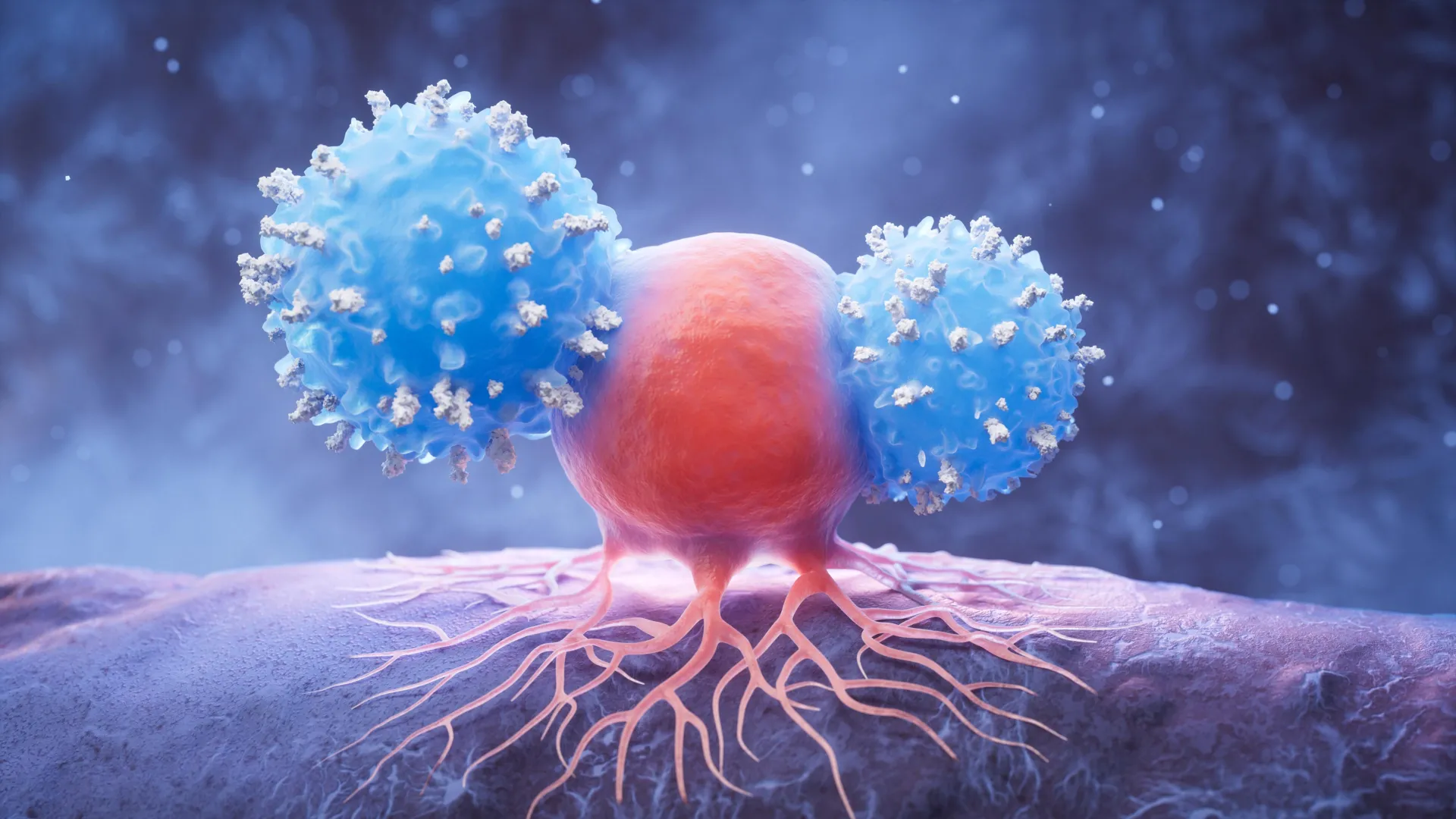
University of Calgary researchers say a clinical trial of high-dose vitamin B3 has produced encouraging early results in patients with newly diagnosed glioblastoma, one of the most aggressive brain cancers in adults. The work matters because survival for the disease has changed little in two decades, according to the trial’s investigators.
The study is testing niacin, a form of vitamin B3, alongside standard glioblastoma treatment. Usual care typically includes surgery to remove as much of the tumor as possible, followed by radiation and chemotherapy, according to the University of Calgary.
The trial is led by Dr. Gloria Roldan Urgoiti and V. Wee Yong, both members of the university’s Hotchkiss Brain Institute and Arnie Charbonneau Cancer Institute. Their findings from an interim Phase I-II analysis were published in the Journal of Neuro-Oncology, according to the university.
Immune cells are the target
The researchers are studying whether niacin can restore immune cells weakened by glioblastoma. Yong, a professor at the Cumming School of Medicine, said the cancer suppresses immune activity that would normally help restrain tumor growth.
“Niacin treatment rejuvenates immune cells so they can do what they are supposed to do, attack and kill the cancer cells,” Yong said in the university’s account of the study. He described the process as an ongoing “battle for the brain.”
The program began in Yong’s laboratory with mouse experiments, the University of Calgary said. After early work showed longer survival in mice treated with niacin, the team moved into a human clinical trial designed to test safety and early signs of benefit.
Early benchmark exceeded
The trial was set up to find the highest safe dose of controlled-release niacin and to assess whether it might improve outcomes when combined with chemotherapy and radiotherapy. Researchers decided in advance that the study would stop if six-month progression-free survival failed to improve by at least 20% compared with earlier studies.
Among the first 24 patients, 82% had no signs of disease progression at six months, according to the University of Calgary. The researchers said that was a 28% improvement over previous studies and above the threshold needed to continue the trial.
Roldan Urgoiti, a clinical associate professor at the Cumming School of Medicine, said glioblastoma remains incurable and requires careful testing of any potential addition to treatment. “Anything that may help should be explored but it requires strict protocols and safety monitoring,” she said.
The study aims to enroll 48 participants, with final analysis expected after enrollment is completed by the end of 2026 or early 2027, according to the university. The research is supported by the Canadian Institutes of Health Research and the Alberta Cancer Foundation.
A patient in the trial
The university highlighted one participant, 55-year-old Edward Waldner, who sought emergency care after months of fatigue and changes in his walking. Doctors found a brain mass that was later diagnosed as glioblastoma.
Waldner joined the niacin trial after surgery, according to the university. He said taking part helped him mentally because it meant doctors were still trying another approach, and he now feels well while follow-up scans are described to him as stable.
The researchers warned that high doses of vitamins, including niacin, can be toxic and should not be taken without medical supervision. Their study involves controlled dosing and monitoring as part of a clinical trial.
This story draws on original reporting from ScienceDaily.