
Vitamin B12-based compound targets brain tumors in early glioblastoma study
A pilot study found nitrosylcobalamin crossed the blood-brain barrier in rats and boosted the effects of existing glioblastoma treatments in lab tests.
By Tom Brennan · Health & Medicine Correspondent
3 min read
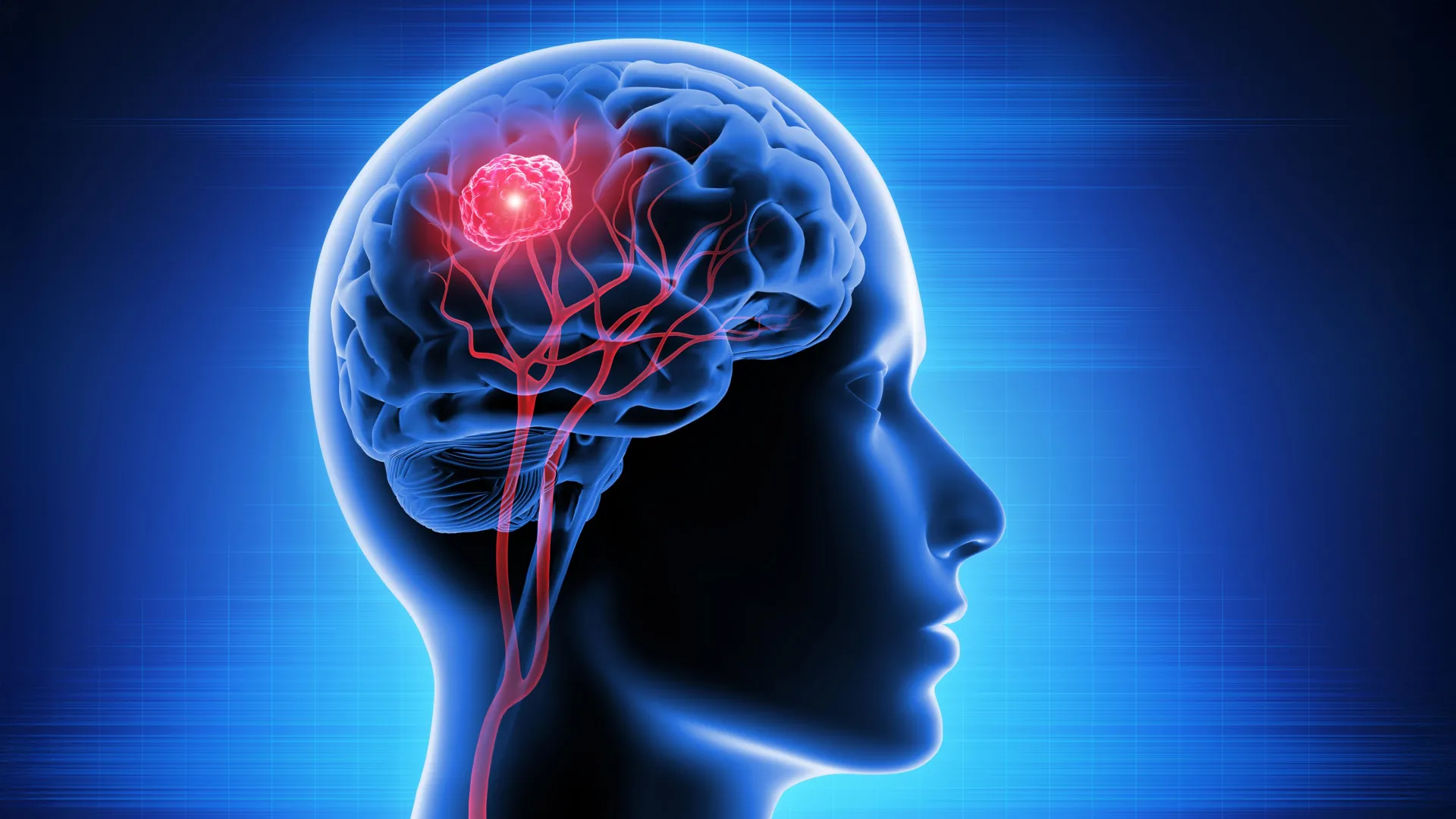
Researchers reported early evidence that a modified vitamin B12 compound can reach glioblastoma tumors in the brain and deliver nitric oxide to cancer tissue. The finding matters because glioblastoma remains one of the hardest brain cancers to treat, in part because the blood-brain barrier blocks many drugs from entering the brain.
The study, published in Oncoscience, examined nitrosylcobalamin, or NO-Cbl, a vitamin B12-based compound that releases nitric oxide. The work was led by Joseph A. Bauer of Nitric Oxide Services, LLC and the Cleveland Clinic Foundation Taussig Cancer Center, according to Impact Journals LLC.
Glioblastoma multiforme is a highly aggressive brain cancer that resists standard treatment, the study authors reported. Impact Journals said patients typically survive less than 15 months after diagnosis despite surgery, radiation and chemotherapy.
Tests in cells and animals
The researchers evaluated NO-Cbl in several ways. According to the journal report, they tested it against the NCI-60 panel of human tumor cell lines, studied its pharmacokinetics in rats with glioblastoma tumors, and measured its effects alongside other therapies in human glioblastoma cell lines.
The study found antitumor activity across multiple cancer types. Central nervous system tumor cells showed moderate sensitivity to the compound, according to the researchers.
In rat experiments, the compound crossed the blood-brain barrier after systemic administration and built up more strongly in glioblastoma tissue than in normal tissue, the study reported. The authors also found that nitrate levels in tumor tissue stayed elevated for at least 24 hours after treatment, while nitrate levels in normal tissues declined faster.
Impact Journals said that pattern suggests NO-Cbl may remain in tumors and release nitric oxide within the tumor microenvironment. Figures in the paper showed sustained nitrate and cobalamin-related metabolites in brain tumor tissue compared with other organs, according to the report.
Combination with existing treatments
The researchers also tested whether NO-Cbl could strengthen glioblastoma treatments already used or under study. In U87 and D54 glioblastoma cells, NO-Cbl combined with either TRAIL or temozolomide suppressed tumor cell growth more than the individual treatments, according to the paper.
The authors reported synergistic interactions across several dose ranges. They wrote that the pilot study showed NO-Cbl crossed the blood-brain barrier, accumulated selectively in brain tumor tissue and worked synergistically with established and experimental glioblastoma therapies.
According to the study, earlier research cited by the authors suggests NO-Cbl may affect mechanisms tied to treatment resistance. The paper said the compound can promote apoptosis through caspase-8 activation, reduce NF-κB survival signaling and strengthen TRAIL receptor signaling through S-nitrosylation.
The researchers said those effects could make glioblastoma cells more responsive to therapy, including tumors resistant to temozolomide. The findings remain preclinical, and the authors described the work as a pilot translational study.
Further work is needed before the approach could be considered for clinical use, according to Impact Journals. The authors said future studies should test the approach in orthotopic models, refine dosing, track nitric oxide activity over longer periods and study the mechanisms in additional central nervous system tumor models.
This story draws on original reporting from ScienceDaily.