
Teen cannabis use tied to higher risk of later psychiatric disorders
A JAMA Health Forum study of 463,396 adolescents found higher later rates of psychotic, bipolar, depressive and anxiety disorders among teen cannabis users.
By Priya Raghavan · Science Reporter
3 min read
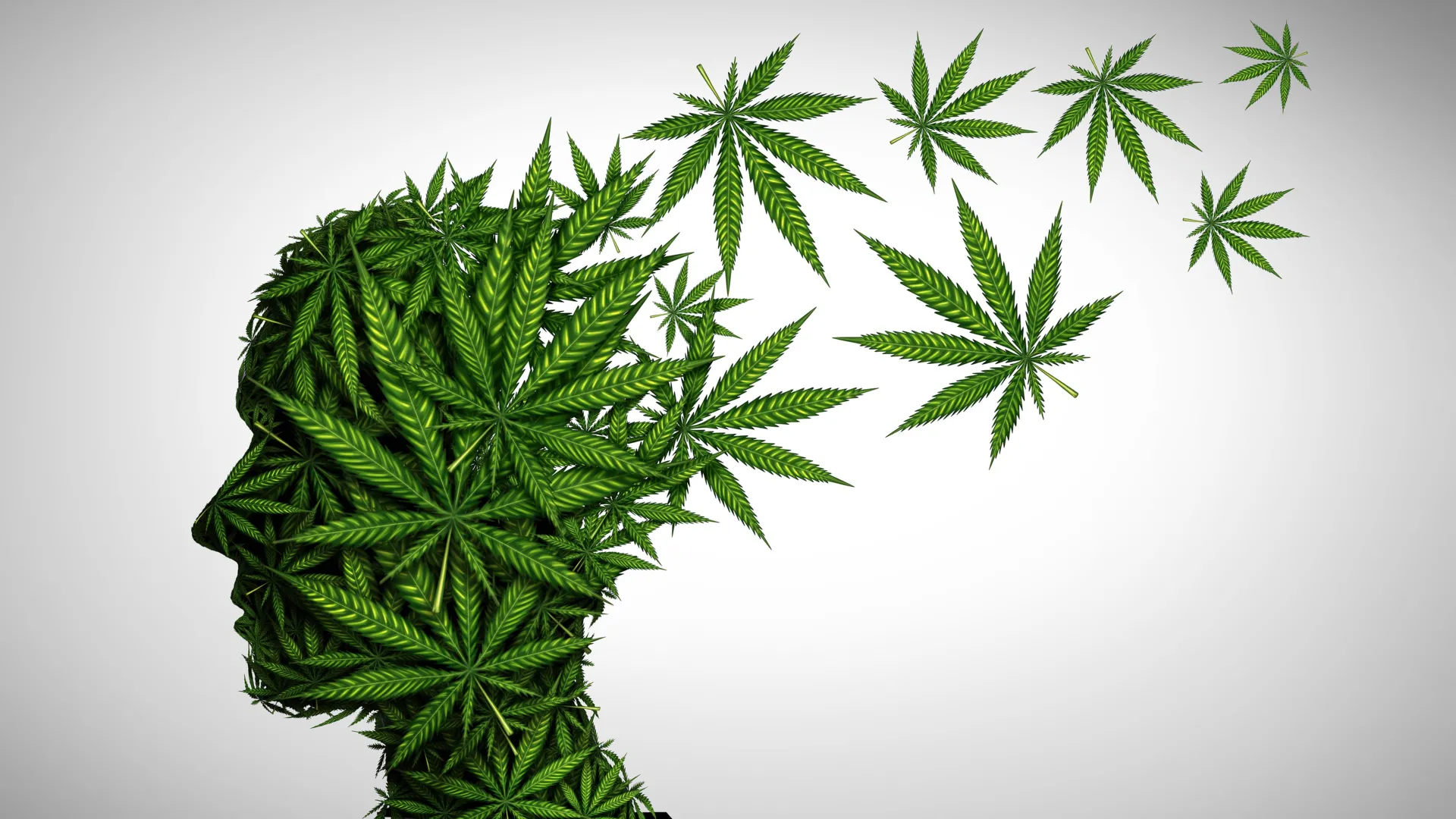
Teenagers who reported cannabis use had a higher risk of being diagnosed with serious psychiatric conditions by young adulthood, according to a study published in JAMA Health Forum. The findings add to public health concerns about adolescent exposure as cannabis products become stronger and youth use remains common.
The study followed 463,396 adolescents ages 13 to 17 through age 26, according to the Public Health Institute. Researchers found that teens who reported using cannabis in the prior year later had increased risk of psychotic disorders, bipolar disorder, depression and anxiety.
According to the research team, the risk of psychotic and bipolar disorders was about twice as high among adolescents who used cannabis. The study was conducted by researchers from Kaiser Permanente, the Public Health Institute’s Getting it Right from the Start program, the University of California, San Francisco, and the University of Southern California.
Diagnoses followed cannabis reports
The researchers used electronic health records from routine pediatric care between 2016 and 2023, according to the Public Health Institute. On average, cannabis use was documented 1.7 to 2.3 years before a psychiatric diagnosis.
The study design followed patients over time, which the authors said strengthens evidence that cannabis exposure during adolescence may play a role in later mental health problems. The findings do not come from a trial assigning teens to use cannabis, and the reported associations should be read in that context.
Lynn Silver, program director of Getting it Right from the Start and a co-author, said the results point to a need for a public health response focused on reducing product potency, preventing youth use, limiting youth exposure to marketing and treating adolescent cannabis use as a serious health issue.
Youth use remains widespread
Cannabis is the most commonly used illicit drug among U.S. adolescents, according to Monitoring the Future data cited by the Public Health Institute. That survey found use rising by grade level, from about 8% of eighth graders to 26% of twelfth graders.
The 2024 National Survey on Drug Use and Health found that more than 10% of U.S. youths ages 12 to 17 reported cannabis use in the previous year, according to the Public Health Institute. The institute also cited rising THC strength, with average THC levels in California cannabis flower now above 20% and some concentrates above 95%.
Study looked beyond heavy use
The authors said earlier research often centered on heavy cannabis use or cannabis use disorder. This study examined any self-reported cannabis use in the previous year, based on universal screening during routine pediatric visits.
Kelly Young-Wolff, the study’s lead author and a senior research scientist at the Kaiser Permanente Division of Research, said the elevated risks remained after researchers accounted for earlier mental health conditions and other substance use. She said parents and children need accurate, evidence-based information about risks tied to adolescent cannabis use.
The researchers also found cannabis use was more common among adolescents covered by Medicaid and among those living in neighborhoods with greater socioeconomic disadvantage. According to the authors, that pattern raises concern that broader cannabis commercialization may worsen existing gaps in mental health outcomes.
The study was funded by the National Institute on Drug Abuse under grant R01DA0531920, according to the Public Health Institute.
This story draws on original reporting from ScienceDaily.