
Summer heat can worsen a horse airway disorder, veterinarian says
A Texas A&M equine surgeon says recurrent laryngeal neuropathy can cause noisy breathing, poor performance and the need for surgery in affected horses.
By Tom Brennan · Health & Medicine Correspondent
3 min read
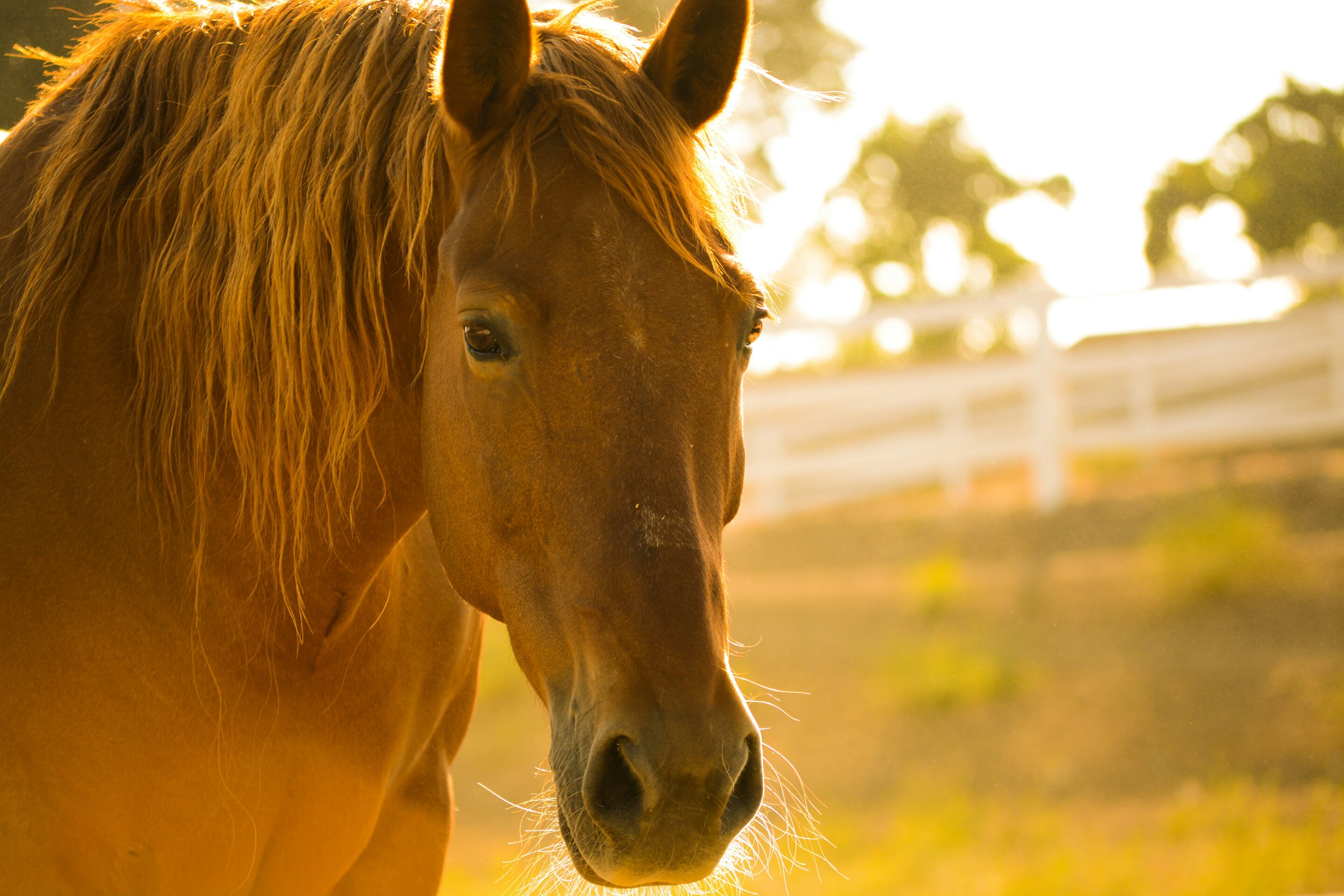
Hot weather can make recurrent laryngeal neuropathy harder on horses by increasing the strain on their respiratory systems, according to Dr. Dustin Major of Texas A&M University. The condition can narrow the airway, produce a distinctive breathing noise and limit performance, particularly in active horses.
Major, a clinical assistant professor of equine soft tissue surgery at the Texas A&M University College of Veterinary Medicine and Biomedical Sciences, described how the disorder is recognized and treated. He said cases often become more visible in spring and summer, when horses are being shown and worked in warmer conditions.
How the disorder affects breathing
Recurrent laryngeal neuropathy, or RLN, is a degenerative condition that almost exclusively affects the left recurrent laryngeal nerve, Major said. That nerve helps control the larynx, or voice box, and is involved in breathing and vocal sounds such as neighing.
According to Major, the nerve runs from the base of the skull down the neck, loops around the aorta in the chest and returns up the neck to serve muscles that move the larynx. As the nerve deteriorates, the muscle that opens the larynx weakens, reducing the space available for air to move through.
Owners may first notice a high-pitched “roaring” sound when a horse breathes in, Major said. He explained that pressure inside the airway can cause one of the laryngeal cartilages, sometimes called a “flapper,” to collapse into the airway and vibrate as air moves past it.
As RLN advances, Major said, horses may show reduced exercise tolerance and lower performance. Those changes can be especially apparent in horses that compete or train intensely.
Which horses face higher risk
Veterinarians do not know the exact cause of most RLN cases, Major said. He described the condition as idiopathic, meaning it arises without a known cause in many affected horses.
Major said larger horses are more often affected, possibly because the at-risk nerve is longer. He identified racing thoroughbreds, warmbloods, larger quarter horses used in events such as barrel racing, and draft breeds as groups commonly affected.
Heat can worsen the signs because horses rely on their respiratory systems to help with cooling, especially during exercise, Major said. He also said trauma to the throat and leakage around blood vessel injection sites for medications can lead to RLN.
Diagnosis and treatment
Veterinarians assess suspected RLN by reviewing a horse’s medical history, including any past trauma, and examining the larynx, according to Major. Suspected abnormalities can be confirmed with upper airway endoscopy, which uses a small camera to view the airway.
Major said dynamic endoscopy can help in some cases and is available at some larger veterinary hospitals. In that procedure, a horse wears a specialized endoscope while exercising, allowing veterinarians to detect subtler RLN and look for other airway problems that can develop because of the disease.
Once RLN is found, surgery is usually needed, Major said, because the disorder can progress to complete paralysis of the left side of the larynx. Veterinarians commonly use a “tie back” procedure to pull the obstructing cartilage away from the airway so the horse can exercise more easily while still helping keep food out of the lungs.
Major said surgery is intended to improve airflow enough for the horse to return to its intended level of work, rather than restore the airway to its original condition. Afterward, he said, horses typically need six weeks of rehabilitation and at least one recheck before returning fully to activity.
Major also said patients should be fed from the ground for a couple of weeks after surgery. If coughing does not occur during that period, he said, they can return to normal feeding, and no long-term management issues are expected once recovery milestones are met.
This story draws on original reporting from Phys.org.