
Sugary gum after beetroot juice linked to brief blood pressure drop
King’s College London researchers say sugar-containing gum increased nitrite production after beetroot juice, but they do not advise using it for blood pressure control.
By Lucas Ferreira · Science & Environment Writer
3 min read
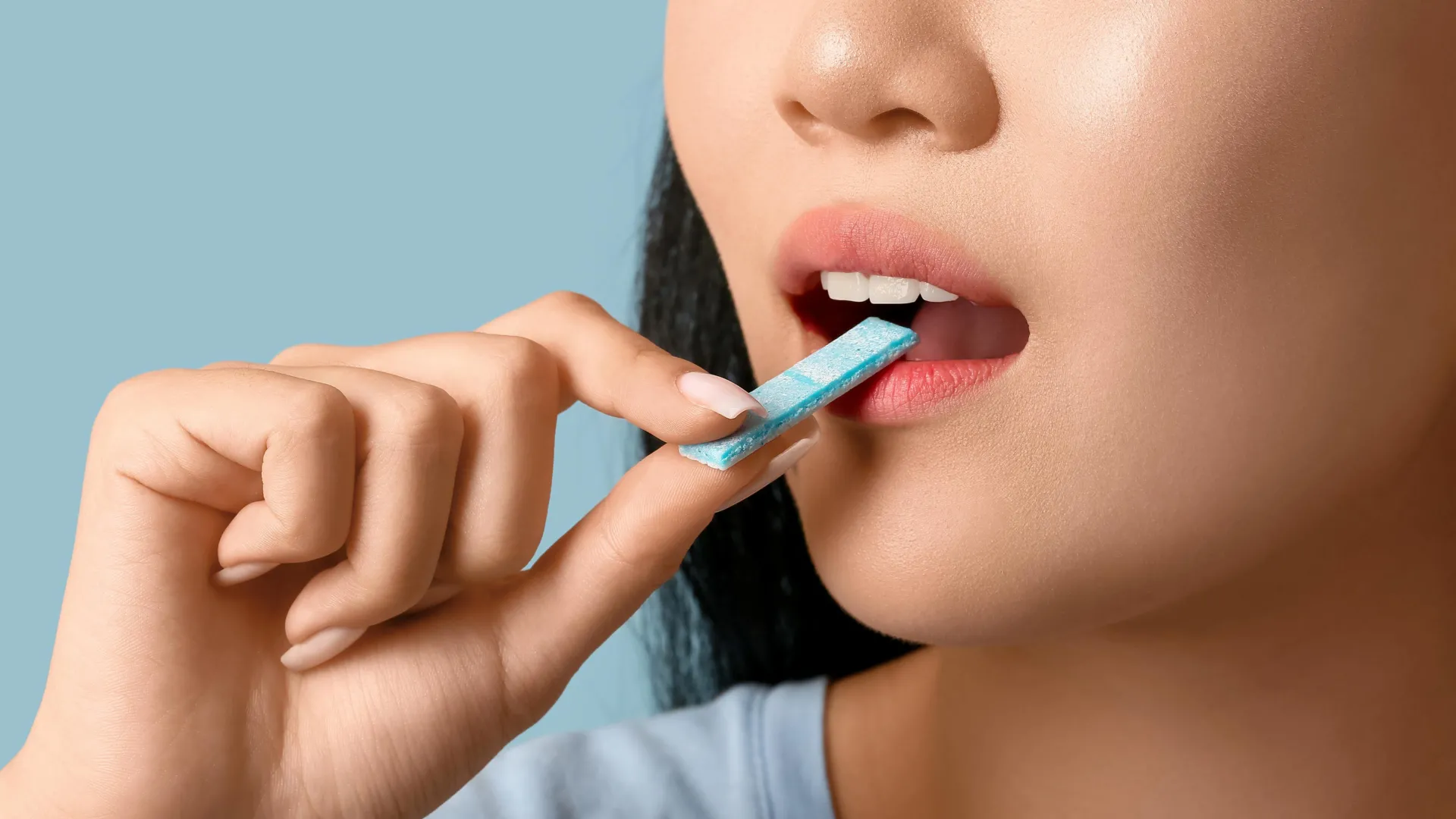
Chewing sugar-containing gum after drinking beetroot juice briefly increased the body’s production of nitrite and was tied to a small drop in blood pressure, according to researchers at King’s College London. The finding points to a possible way to strengthen the effects of dietary nitrate, though the team warned against regular use of sugary gum for health reasons.
The study, published in the British Journal of Clinical Pharmacology, examined how saliva acidity affects the conversion of nitrate into nitrite. Nitrate is found in vegetables such as beetroot, spinach and kale, but researchers said bacteria in the mouth must convert it before it can support blood vessel relaxation and blood pressure reduction.
How the study worked
King’s College London researchers enrolled healthy volunteers in a crossover study. Participants drank a shot of beetroot juice and then chewed either sugar-containing Hubba Bubba bubble gum or sugar-free Wrigley’s Extra gum for three to six hours.
During the test period, researchers collected saliva and blood samples and measured blood pressure. At least a week later, each participant returned and repeated the experiment with the other gum.
The sugar-containing gum made saliva more acidic than the sugar-free gum, producing a 1.4-point fall in pH, according to the study. The researchers reported a 45% rise in nitrite in the mouth and a 25% increase in nitrite circulating in the body.
Blood pressure also fell during the sugary gum condition compared with the sugar-free gum condition. Systolic pressure dropped by nearly 3 mmHg, while diastolic pressure fell by almost 2 mmHg, the researchers reported.
Researchers urge caution
Dr. Andrew Webb, a clinical senior lecturer at King’s College London, said the acidity of saliva may affect a process that influences blood pressure and other physiological functions. He said the team tested the idea after earlier work found that grapefruit juice with beetroot juice reduced saliva acidity and limited nitrate-to-nitrite conversion.
Webb said the effects lasted only several hours and that long-term use of sugar-containing products would not be recommended because of dental health concerns. He also said sugary chewing gum may have a stronger effect than sugary drinks because gum remains in the mouth longer.
Dr. Charlotte Mills of the University of Reading, a co-author of the study, said the findings do not mean people should start chewing sugary gum regularly. She said frequent sugar intake can harm dental health and, when consumed in excess, cardiometabolic health.
Mills said the work serves as a proof of concept for improving how the body processes dietary nitrate without relying on sugar. The researchers said future work should look for approaches that are tooth-friendly and suitable for longer-term use.
The team also sees possible relevance for athletes, since dietary nitrate is already used as a sports supplement. King’s College London said the researchers plan a larger study in athletes to examine effects on nitrate metabolism, blood pressure and exercise performance.
This story draws on original reporting from ScienceDaily.