
Study maps how oxygen gets into wine after corking
Researchers report that oxygen in corked wine shifts through several stages, affecting how bottles age and how closures may be chosen.
By Lucas Ferreira · Science & Environment Writer
3 min read
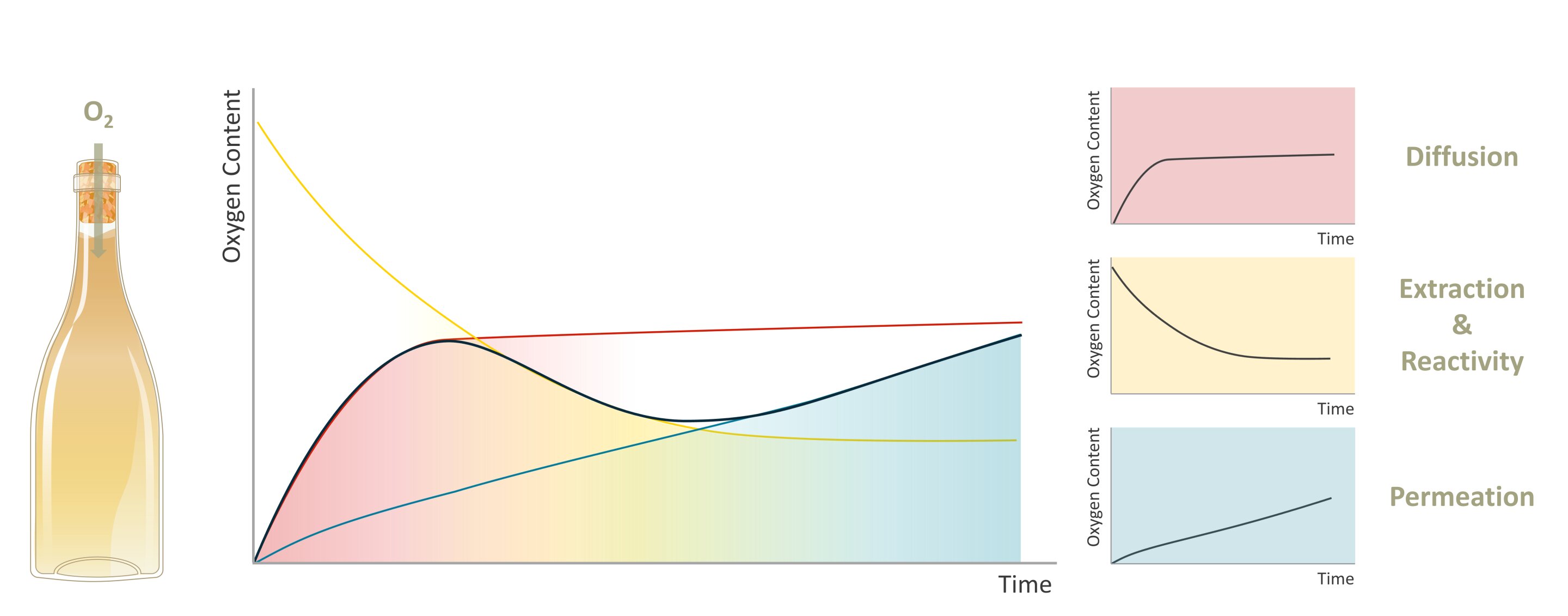
Researchers in France have traced how oxygen enters and moves inside a corked wine bottle over time, showing that the process is driven by several mechanisms rather than a single leak. The findings matter because oxygen can help wine mature in small amounts but can also damage it when exposure is too high, according to a study published in Science Advances.
Cork is used to limit contact between wine and outside air, but the study authors report that it does not seal a bottle completely. They found that oxygen already trapped in the bottle and cork, chemical reactions involving cork compounds, and slow outside-air entry all shape oxygen levels during storage.
Testing corks without opening bottles
To measure the process, the scientists used glass tubes shaped to match the neck of a standard wine bottle, according to the study. They closed the tubes with manufactured corks cut to several lengths, from 6 millimeters up to the standard 42 millimeters.
Some tubes contained air only, while others held a liquid with malic acid to reproduce wine-like acidity, the researchers reported. Oxygen-sensitive light-emitting sensors placed inside the tubes allowed the team to track oxygen in both the liquid and the headspace above it for 18 months without removing the corks.
The study identified four main phases in the way oxygen behaved after sealing. In the first hours, oxygen redistributed between the liquid and the small air space in the neck until the system reached a balance, according to the researchers.
Over the following months, oxygen stored inside tiny air pockets in the cork moved into the bottle. The study reports that this release from the cork’s internal structure was mostly finished after about nine months.
A separate process then became visible between roughly four and 15 months. The researchers found that phenolic compounds from the cork entered the liquid and reacted with oxygen, reducing the measured oxygen level.
At the same time, oxygen from outside the sealed tube slowly moved inward through the closure system. Over longer storage times, the study says this outside permeation became the main factor, with oxygen entering through the cork and through microscopic contact zones between glass and stopper.
Why the timing matters
The research adds detail to a problem winemakers already manage closely. According to the study, excess oxygen can oxidize wine and spoil it, while too little oxygen can limit maturation and contribute to unwanted aromas.
By separating the short-term and long-term sources of oxygen, the study could help producers match closures to different wines and aging plans. A wine intended for longer storage may need a different oxygen profile than one meant to be consumed earlier, though the researchers did not prescribe specific commercial choices.
The paper, by Julie Chanut and colleagues, was published in Science Advances under the title “Deciphering the mechanisms of oxygen transfer into a wine bottle.”
This story draws on original reporting from Phys.org.