
Sidewalk yeast shows promise as bait for malaria mosquito traps
Johns Hopkins researchers found that a common Rhodotorula yeast attracts and can trap Anopheles gambiae, Africa’s main malaria-spreading mosquito.
By Lucas Ferreira · Science & Environment Writer
3 min read
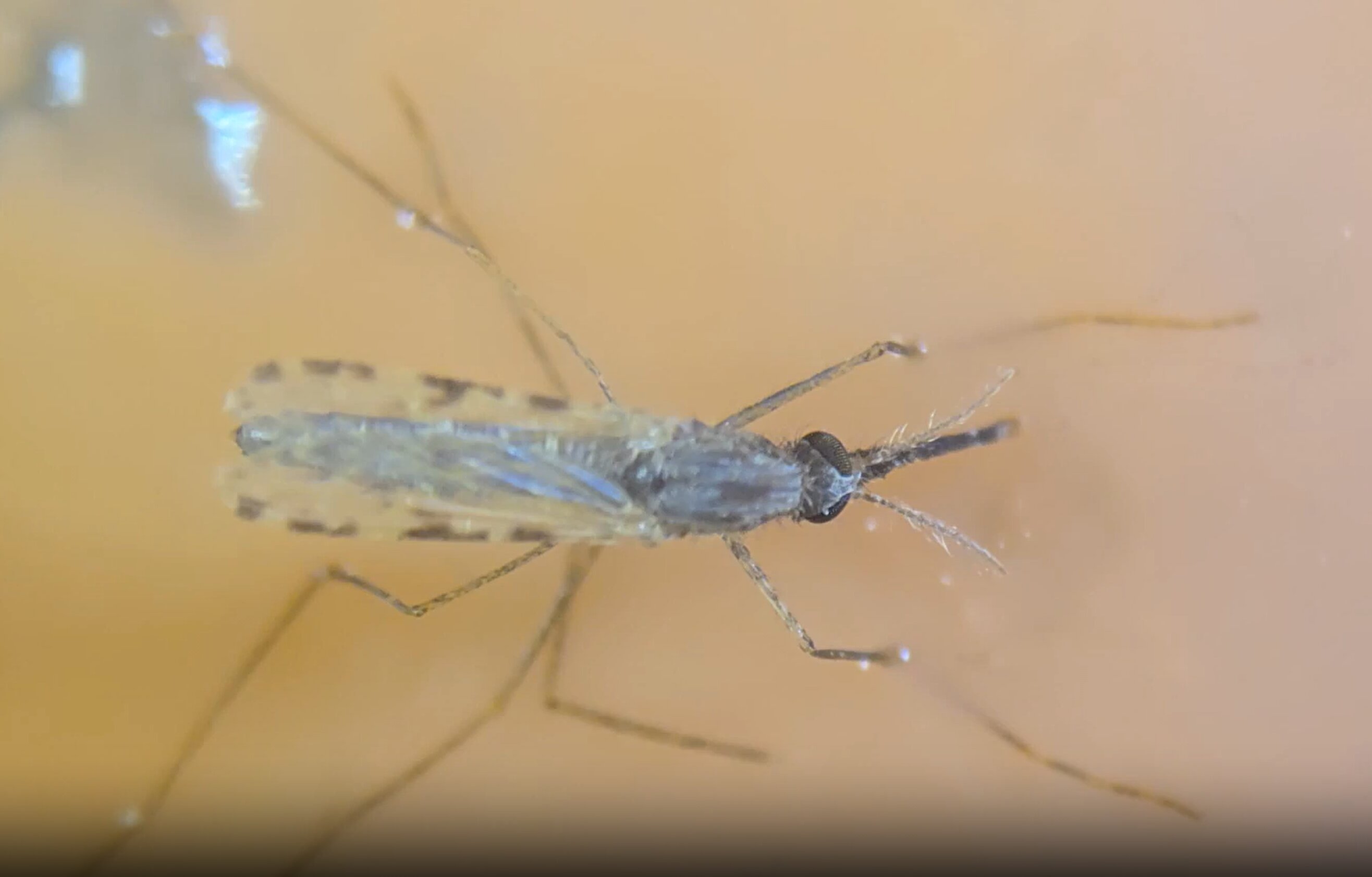
A yeast first collected from a Baltimore sidewalk may help scientists design lower-cost traps for mosquitoes that spread malaria. Researchers at the Johns Hopkins Bloomberg School of Public Health report that the orange yeast Rhodotorula taiwanensis draws in Anopheles gambiae mosquitoes through smell and can snare them with its sticky surface.
The findings, published in the Proceedings of the National Academy of Sciences, point to a possible biodegradable tool for malaria control at a time when existing defenses face limits. The World Health Organization recorded more than 600,000 malaria deaths in 2024, and Johns Hopkins researchers noted that mosquito resistance to insecticides and parasite resistance to drugs continue to complicate control efforts.
A fungus-insect link
Johns Hopkins said the work builds on a known relationship between fungi and insects. Fungi can attract insects that then carry fungal cells or spores elsewhere, helping the microbes spread.
The project brought together the lab of Conor McMeniman, an associate professor in molecular microbiology and immunology at the Bloomberg School and faculty member at the Johns Hopkins Malaria Research Institute, and the lab of Arturo Casadevall, a Bloomberg Distinguished Professor and chair of the same department. McMeniman’s group studies mosquitoes and the sensory cues that affect their behavior, while Casadevall’s group studies fungi and other microbes.
The researchers tested seven common yeast species for their appeal to female Anopheles gambiae, the mosquito species identified by Johns Hopkins as the main malaria vector in Africa. One yeast stood out: Rhodotorula taiwanensis strain 200S, which Casadevall’s lab had isolated in 2023 during a study of fungi in Baltimore.
Scent and stickiness
According to the study, the yeast’s scent was dominated by acetone and 3-methyl-1-butanol. Johns Hopkins said that chemical blend was simpler and different from the odors produced by other common yeasts examined in the work, including baker’s yeast, Saccharomyces cerevisiae.
Tests with Anopheles gambiae mosquitoes and Drosophila fruit flies showed that the attraction depended largely on smell, the researchers reported. The insects responded through odorant receptors, a class of olfactory sensors.
The team also found that fruit flies were attracted to Rhodotorula and ate it. In experiments, both mosquitoes and fruit flies spread the yeast across test areas, which the researchers said fits the idea that the yeast benefits when insects move it around.
The yeast did more than lure mosquitoes. Johns Hopkins said male and female Anopheles mosquitoes frequently became stuck in biofilms made by Rhodotorula taiwanensis, suggesting its slimy surface may have value as a biodegradable adhesive for traps.
Field evidence from Zambia
The researchers also reported signs that these yeasts and malaria mosquitoes meet outside the lab. At a malaria-endemic field site in Zambia, the team isolated two related species, Rhodotorula mucilaginosa and Rhodotorula toruloides, from Anopheles mosquitoes.
Casadevall said Rhodotorula yeasts appear to be common members of the fungal communities found on insects and are widely present in the environment. Johns Hopkins said Rhodotorula taiwanensis has also been found in soil, on plants, on sugarcane and rice leaves, on mugwort stems, on blueberries, and in fermentation starter cultures used for traditional alcohol production in India and Korean soy sauce.
McMeniman said the findings suggest the yeast could support safe and inexpensive mosquito-control strategies. The researchers are now assessing whether Rhodotorula taiwanensis attracts other malaria mosquito species, as well as nuisance-biting mosquitoes in the United States.
This story draws on original reporting from Phys.org.