
Seismic study finds ancient magma reshaped Pacific seafloor plate
Researchers say the Ontong Java Plateau’s formation left deep magma channels and chemical changes in the oceanic plate below.
By Lucas Ferreira · Science & Environment Writer
3 min read
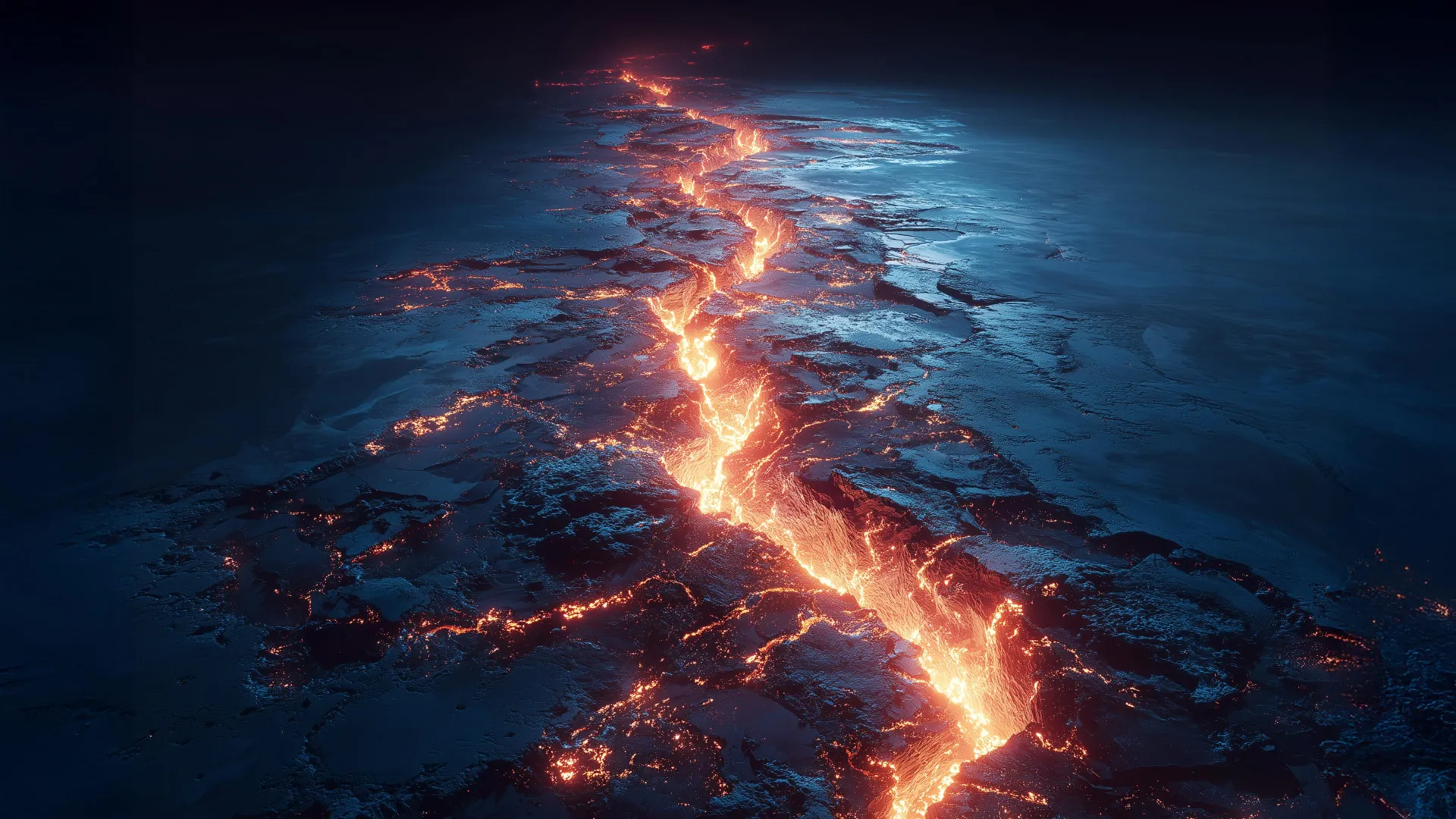
Seismic readings from the western Pacific indicate that the volcanic event that built the Ontong Java Plateau also changed the oceanic plate beneath it. Okayama University of Science said the work shows deep magma did more than pile lava onto the seafloor: it cut through the plate and altered the rock around it.
The study, published in Geophysical Research Letters, was led by Azusa Shito of Okayama University of Science with Akira Ishikawa of the Institute of Science Tokyo and Masako Yoshikawa of Hiroshima University, according to the university. The team used earthquake waves to examine the structure below the plateau, the world’s largest oceanic plateau.
The Ontong Java Plateau sits under the western Pacific Ocean. Okayama University of Science said it formed about 110 million to 120 million years ago during the largest known volcanic outpouring in Earth’s history.
Scientists have proposed that the eruption released enough heat, gases and volcanic material to disrupt the global environment, according to the university. The event may also have affected extinctions by changing ocean chemistry, climate and oxygen levels in seawater.
Waves exposed a complex plate
The researchers studied high-frequency seismic signals known as Po and So waves. These waves move through oceanic plates, and their speed and strength can reveal layers, cracks and other buried structures, according to Okayama University of Science.
The signals came from ocean-bottom seismometers placed around the plateau and instruments on nearby oceanic islands. In a typical oceanic plate, Po and So waves are produced as P and S waves scatter repeatedly through layered rock, allowing the signals to travel thousands of kilometers, the university said.
Near the Ontong Java Plateau, the two wave types behaved differently. Po waves traveled efficiently through the region, while So waves lost strength, a pattern the researchers interpreted as evidence that the plate’s interior is more complicated than usual.
Waveform modeling pointed to horizontal layers crossed by vertical intrusions called dikes, according to the study. Dikes form when molten rock moves through cracks and cools there; groups of them, known as dike swarms, can mark pathways used by earlier magma.
Chemistry may have changed too
The team also found that both Po and So waves moved unusually slowly beneath the plateau. Okayama University of Science said slower seismic waves can reflect hotter, weaker, fractured or chemically different rock, but the researchers concluded that structure alone did not account for the readings.
They proposed that magma rising from a thermochemical plume passed through the plate, formed dike swarms and reacted with surrounding mantle rock. The university described this as refertilization, a process in which magma restores chemical components to depleted peridotite, the dominant rock of the mantle.
A thermochemical plume is a hot upwelling from deep in the mantle that differs chemically from nearby mantle material and may contain material recycled from ancient oceanic crust, according to Okayama University of Science.
The findings suggest that large volcanic provinces can reshape oceanic plates internally, not only cover them with erupted lava. The researchers said the model could help scientists understand how oceanic plates develop and how major volcanic episodes modify Earth’s interior.
This story draws on original reporting from ScienceDaily.