
Scientists look beyond labels to map hidden chemicals in food
Nutrition researchers are cataloging thousands of poorly understood food compounds that may help explain diet-related disease and healthy aging.
By Tom Brennan · Health & Medicine Correspondent
3 min read
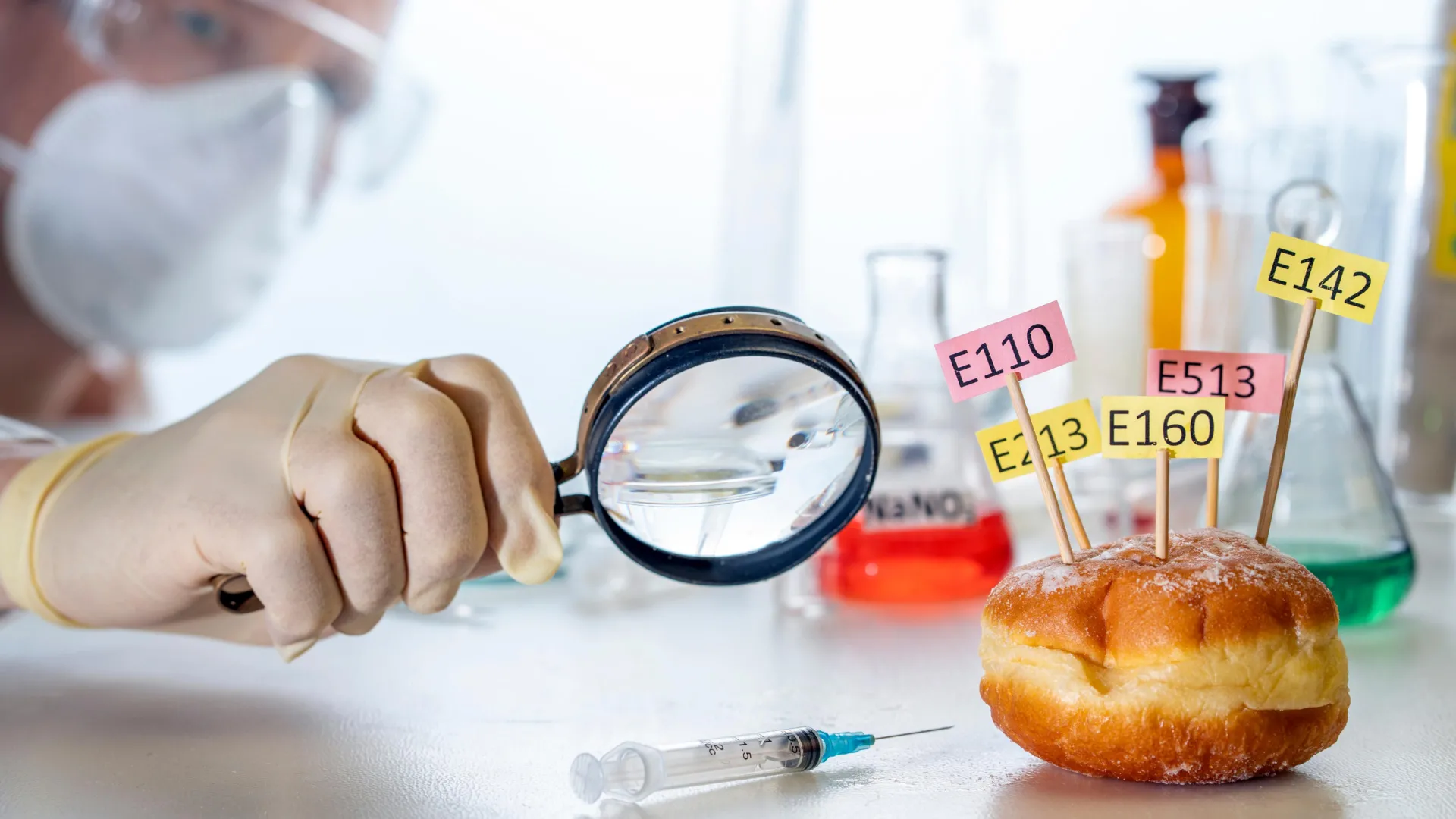
Scientists are beginning to study thousands of chemicals in food that do not appear on nutrition labels, a gap that may help explain why diet affects disease risk in ways researchers still struggle to predict. In an essay for The Conversation, Swansea University professor emeritus David Benton described this largely unmapped chemistry as “nutritional dark matter.”
Benton wrote that nutrition science has long focused on a relatively small set of known substances, including protein, carbohydrate, fat and vitamins. Those familiar nutrients amount to about 150 chemicals, he said, while researchers estimate that human diets contain more than 26,000 compounds.
The gap matters because diet is already tied to major health burdens. Benton cited research linking poor diet to about one in five deaths worldwide among adults 25 and older, and to nearly half of cardiovascular deaths in Europe.
Why labels show only part of the picture
Benton compared the problem to the early hopes around the Human Genome Project. After scientists sequenced the human genome in 2003, genetics did not explain as much disease risk as many expected; Benton wrote that genes account for about 10% of risk, with the rest tied to environmental factors, including diet.
Nutrition advice has often emphasized reducing fat, salt or sugar, Benton wrote, yet obesity and diet-related illness have continued to rise. He argued that a narrow focus on calories and a limited set of nutrients misses much of what food does inside the body.
The “dark matter” analogy comes from astronomy. Benton noted that dark matter is believed to make up about 27% of the universe and cannot be seen directly, but its effects can be inferred. In nutrition, the unseen part is the many compounds people eat every day whose roles in health remain unclear.
Foodomics seeks a fuller map
The emerging field of foodomics is meant to catalogue those compounds and connect them to biological effects, Benton wrote. It combines genomics, proteomics, metabolomics and nutrigenomics to study how food chemicals interact with genes, proteins, cells, microbes and disease processes.
Benton used the Mediterranean diet as one example of a pattern that appears protective but remains chemically complex. The diet, rich in fruits, vegetables, whole grains, legumes, nuts, olive oil and fish while limiting red meat and sweets, is associated with lower heart disease risk, he wrote.
One possible mechanism involves trimethylamine N-oxide, or TMAO, a molecule produced when gut bacteria metabolize compounds found in red meat and eggs, according to Benton. High TMAO levels are linked with increased heart disease risk, while substances in garlic can block its production, he wrote.
Gut microbes add another layer. Benton wrote that bacteria in the colon can convert food compounds into new chemicals that influence inflammation, immunity and metabolism. Ellagic acid, found in various fruits and nuts, can be changed by gut bacteria into urolithins, compounds linked to mitochondrial health, he said.
Diet, genes and disease
Benton also pointed to epigenetics, in which diet can affect gene activity without changing DNA sequence. He cited research on children born to mothers who experienced famine in the Netherlands during the second world war; those children were more likely later in life to develop heart disease, type 2 diabetes and schizophrenia, and later studies found altered gene activity.
Efforts such as the Foodome Project are trying to build a broader inventory. Benton wrote that more than 130,000 molecules have been listed so far, with researchers working to connect food compounds to human proteins, gut microbes and disease pathways.
The goal, Benton wrote, is to identify which hidden food molecules help or harm health, why diets vary in their effects from person to person, and whether some compounds could guide the development of medicines or new foods. For now, he said, the chemistry of everyday meals remains only partly charted.
This story draws on original reporting from ScienceDaily.