
Minimally invasive knee treatment eases arthritis pain for a year
A 194-patient study found genicular artery embolization reduced knee osteoarthritis pain and improved function for at least 12 months.
By Priya Raghavan · Science Reporter
3 min read
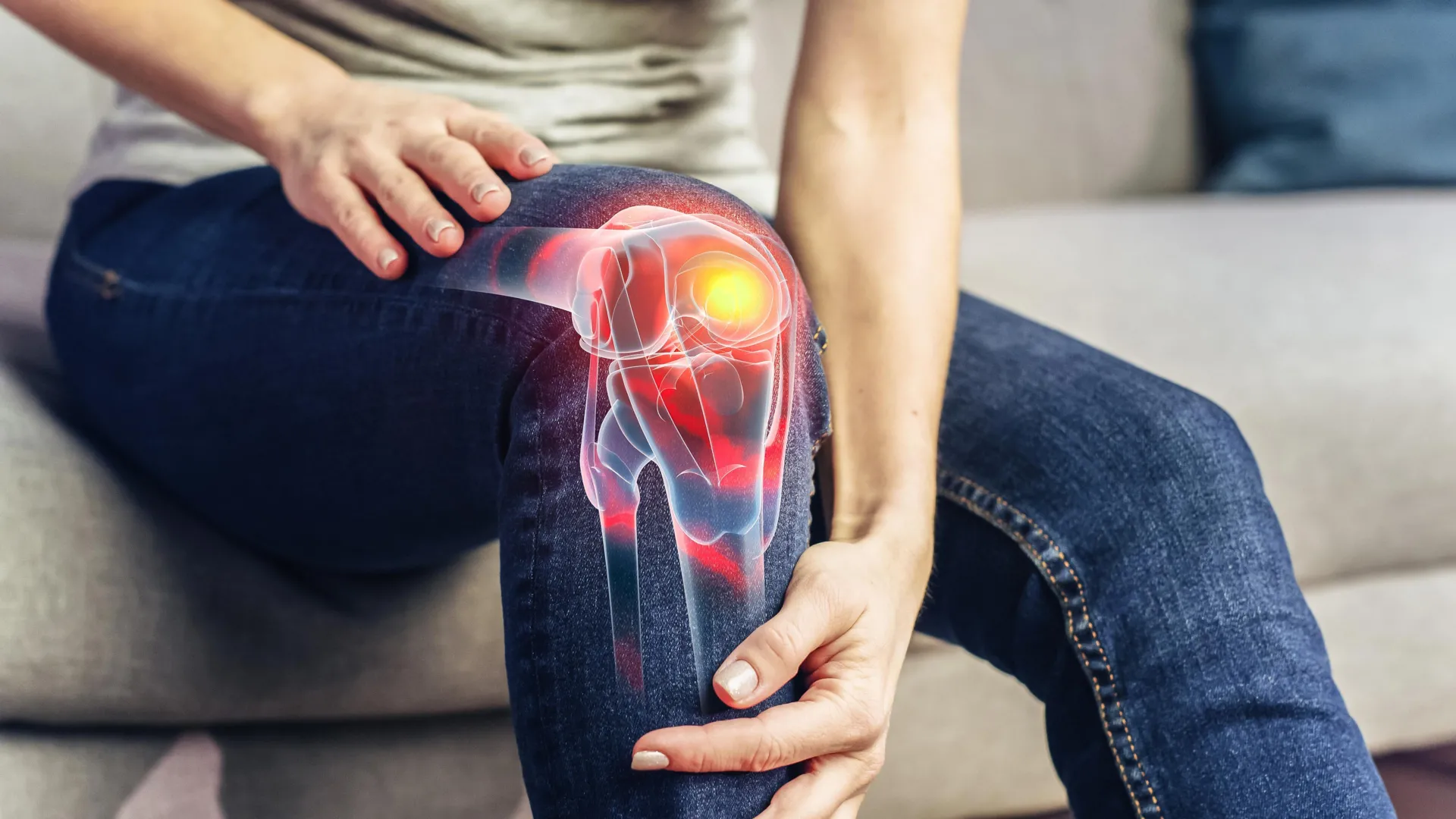
A catheter-based treatment for knee osteoarthritis was linked to pain relief and better movement lasting at least a year in a prospective study published in Radiology. The findings, reported by the Radiological Society of North America, point to a possible option for patients who have not had enough relief from standard care but are not ready for knee replacement.
The procedure is called genicular artery embolization, or GAE. According to RSNA, it targets abnormal blood vessels around arthritic knee joints that are believed to help drive inflammation and pain.
During GAE, an interventional radiologist threads a thin catheter to the affected vessels and delivers small particles to block blood flow. In this study, researchers used rapidly resorbable gelatin-based microspheres, which RSNA said are calibrated by size and dissolve within hours.
Study followed nearly 200 patients
The study was led by Florian Nima Fleckenstein of Charité — Universitätsmedizin Berlin and colleagues. RSNA said it included 194 people with knee pain tied to osteoarthritis: 114 women and 80 men.
Participants had not received adequate relief after at least three months of conservative treatment, including physiotherapy, anti-inflammatory drugs and injections into the joint, according to RSNA. The group had a median age of 69 and a median body mass index of 28.4.
All patients underwent GAE between July and November 2024. Forty-five patients, or 23%, had both knees treated, with the second procedure done within four weeks of the first, RSNA said.
Researchers performed 239 procedures in all, using fluoroscopic image guidance. RSNA reported that every procedure was technically successful, no moderate or severe adverse events occurred, and 6.7% of participants had mild reactions that resolved without treatment.
Pain scores improved after treatment
The research team assessed patients before treatment and at six weeks, three months, six months and 12 months afterward. RSNA said the six-month check was performed in person by an orthopedic surgeon.
Follow-up rates were 94% at six weeks, 89% at three months, 89% at six months and 79% at 12 months, according to RSNA. On a 0-to-10 pain scale, the median score dropped from 7 before treatment to 4 at six weeks and 3 at both six and 12 months.
Patients also improved on the Knee Injury and Osteoarthritis Outcome Score, RSNA said. Median daily activity scores rose from 53 to 71.5, sports and recreation scores from 15 to 36, symptom scores from 51 to 68, pain scores from 44 to 65, and quality-of-life scores from 19 to 40.
RSNA said earlier research defines a pain-score reduction of at least 2 points and a Knee Injury and Osteoarthritis Outcome Score increase of at least 10 points as a clinically meaningful change. At 12 months, 80% of participants exceeded that pain-score threshold.
Fleckenstein said through RSNA that the results support GAE with resorbable microspheres as a safe, minimally invasive treatment that can offer meaningful pain and function gains for at least 12 months in selected patients. RSNA said the study is the largest body of evidence so far on this version of GAE, involving nearly 200 patients.
Knee osteoarthritis is the most common form of arthritis and a major cause of disability worldwide, according to RSNA. The World Health Organization estimates that more than 365 million adults globally have knee osteoarthritis.
This story draws on original reporting from ScienceDaily.