
Experimental vaccine shows broad fentanyl protection in mice
Scripps Research scientists say the shot trained antibodies to recognize fentanyl and several related designer opioids before they reached the brain.
By Lucas Ferreira · Science & Environment Writer
3 min read
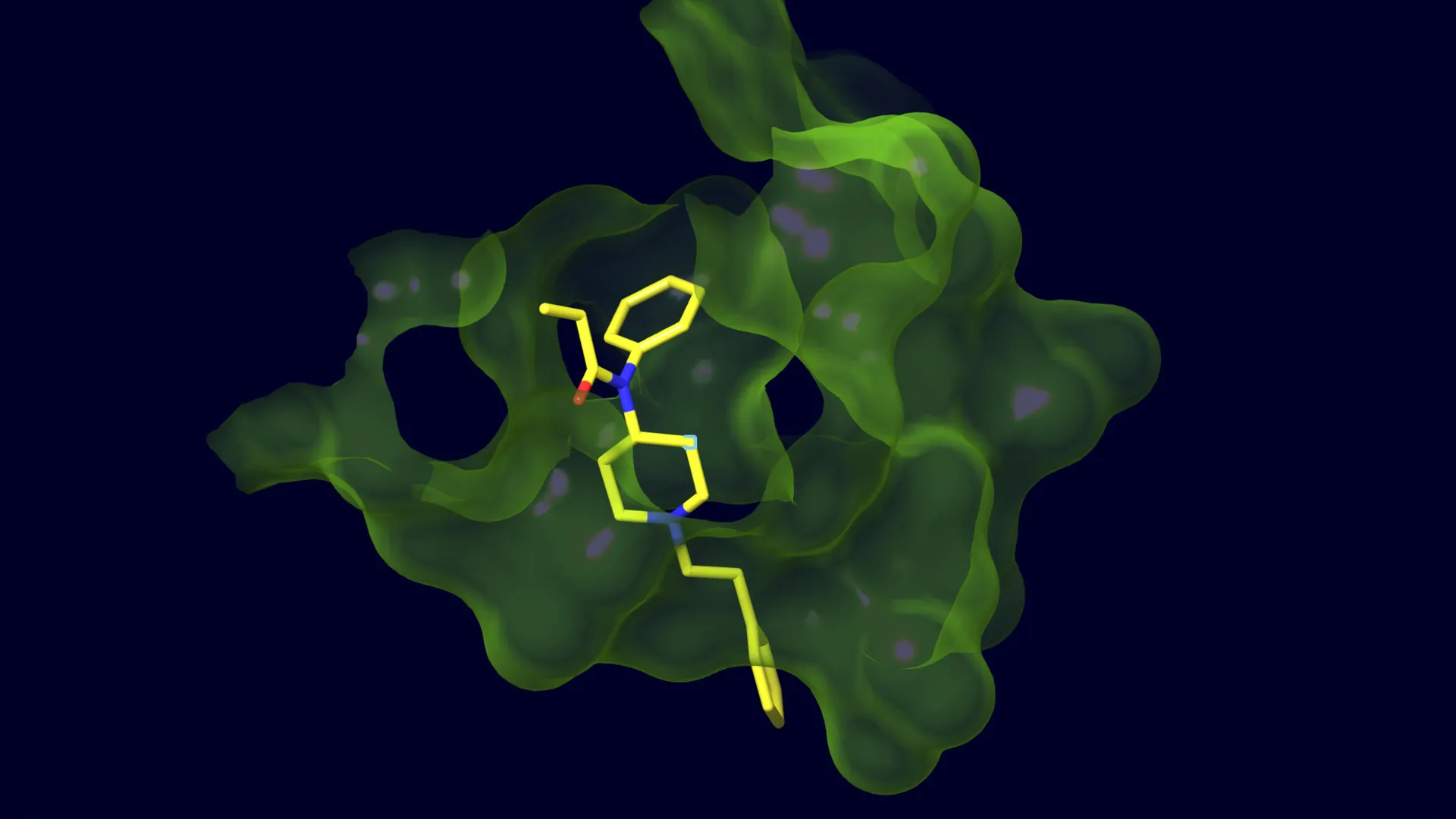
Scripps Research scientists have developed an experimental vaccine that protected mice from fentanyl’s effects and recognized several related synthetic opioids. The findings matter because the approach is aimed at preventing an overdose before the drug reaches the brain, rather than reversing one after breathing has already slowed.
The work was published in the Journal of Medicinal Chemistry, according to Scripps Research. The institute said fentanyl and similar synthetic opioids cause more U.S. deaths each year than car crashes and gun violence combined, and that overdose reversal drugs must be given quickly to work.
The vaccine is designed to train the immune system to make antibodies that bind fentanyl-like compounds in the bloodstream. By holding the drug outside the brain, the antibodies are meant to reduce the respiratory suppression that can make fentanyl overdoses fatal.
A broader target than fentanyl alone
Kim Janda, the Ely R. Callaway Jr. Professor of Chemistry at Scripps Research and senior author of the study, said the goal was to create a countermeasure that could address multiple fentanyl variants at once. Scripps Research said illicit manufacturers often alter fentanyl’s structure to increase potency, evade detection or avoid regulation.
Many earlier vaccine designs have used fentanyl or a close chemical look-alike to trigger an immune response, according to Scripps Research. That can create practical problems because the drugs are tightly controlled, and it can also lead to antibodies that recognize a narrow target.
For this study, Janda’s team used a related molecule with a different central structure from fentanyl. Arran Stewart, a research associate in Janda’s lab and the study’s first author, said the team did not know whether that unconventional design would prompt the immune system to recognize fentanyl.
The researchers attached the modified molecule to a carrier protein and gave mice four vaccine doses over eight weeks. Scripps Research said the immune response recognized a wider chemical pattern shared across fentanyl-class compounds, rather than requiring an exact structural match.
Mouse tests showed lower brain exposure
In lab testing, antibodies produced by the vaccine bound strongly to fentanyl and several dangerous variants, including carfentanil, China White, acetylfentanyl and furanylfentanyl, according to Scripps Research. The antibodies did not bind to commonly used medical opioids tested by the team, including morphine, oxycodone, remifentanil and alfentanil.
The animal results also pointed to protection against fentanyl’s effects. Vaccinated mice kept breathing at nearly normal levels after receiving fentanyl doses that would usually cause severe respiratory depression, Scripps Research said.
The researchers found about 70% less fentanyl in the brains of vaccinated mice than in unvaccinated mice. That result supports the intended mechanism: antibodies in the blood captured much of the drug before it could enter the brain.
The vaccine has not yet been tested in people. Scripps Research said clinical trials would be needed to determine whether it is safe and effective for human use.
Janda said the platform could eventually be considered for people in substance-use recovery programs and others at high risk of fentanyl exposure. The study was authored by Stewart, Lisa Eubanks, Bin Zhou, Rachel Steinhardt and Janda, all of Scripps Research, and was supported by the Shadek Family Foundation.
This story draws on original reporting from ScienceDaily.