
Early primates may have begun in cold North America, study suggests
A PNAS study challenges the long-held view that primates first evolved in warm tropical forests.
By Lucas Ferreira · Science & Environment Writer
3 min read
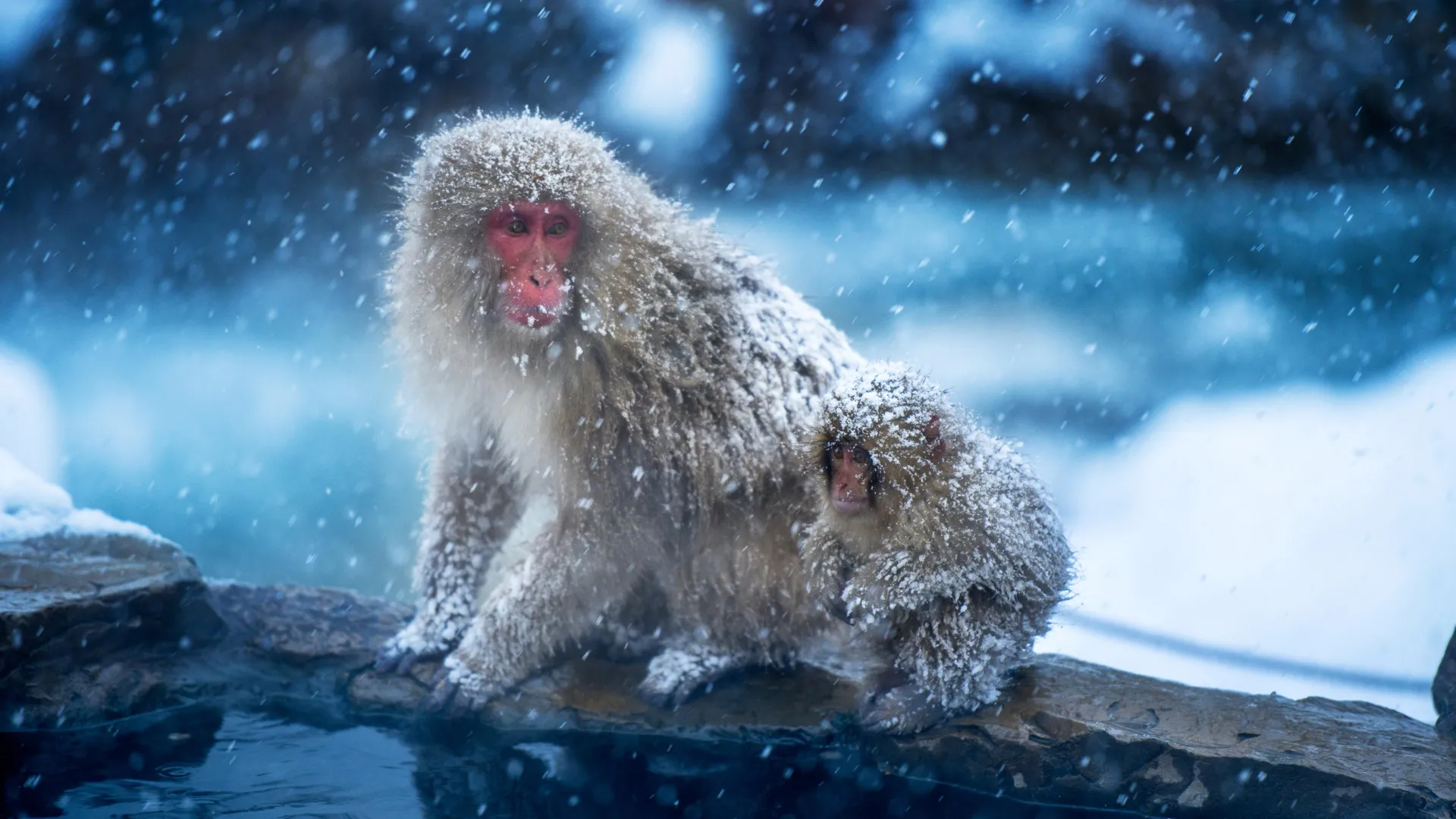
A new analysis says the earliest primates may have emerged in cold, dry parts of North America rather than in tropical forests. The finding matters because it recasts climate stress and mobility as key forces in the early history of the lineage that later produced humans.
The study, led by Jorge Avaria-Llautureo of the University of Reading and published in Proceedings of the National Academy of Sciences, examined where early primate fossils were found and what those places were like at the time. According to The Conversation, the team used fossil pollen and spores from areas linked to early primate remains to estimate past climates.
A colder starting point
The results challenge the common picture of primates beginning in warm, wet forests. The researchers reported that early primates appear to have lived first in colder and drier environments, and that primates took millions of years to establish themselves in tropical regions.
The study also found that warmer global conditions did not appear to speed primate spread or the formation of new species. Instead, according to the researchers, rapid shifts between dry and wet climates were more closely tied to evolutionary change.
Jason Gilchrist, a lecturer in applied sciences at Edinburgh Napier University, wrote in The Conversation that the finding helps explain why old assumptions were so durable. Most living primates are tropical, and many primate fossils have been found in tropical regions, making a warm-forest origin seem likely.
The new work points instead to North America as the likely starting area, according to The Conversation. That conclusion runs against modern geography: there are no native nonhuman primates living in North America today.
Small animals under pressure
One early primate discussed in the report is Teilhardina, a small tree-dwelling animal that weighed about 28 grams. The Conversation compared its size with Madame Berthe’s mouse lemur, the smallest primate alive today.
Because of that small body size, Teilhardina would have needed energy-rich food, including fruit, gum and insects, according to The Conversation. Fossil evidence also indicates it had fingernails rather than claws, a trait linked to gripping branches and handling food.
Teilhardina appeared about 56 million years ago, roughly 10 million years after dinosaurs went extinct, according to The Conversation. Species in the group spread quickly from North America into Europe and China.
The report also notes that some early primates reached Arctic regions. The Conversation said those animals may have endured seasonal cold and food shortages by slowing their metabolism, and perhaps by hibernating, in a way comparable to some mouse lemurs and dwarf lemurs today.
Lessons for living primates
Gilchrist wrote that mobile primates likely had an advantage in unstable environments, because they could search for food and better habitat. The primates alive now descend from those successful lineages, while less mobile ones left no living descendants, according to The Conversation.
The findings also carry a conservation warning, Gilchrist wrote. Modern primates face habitat loss, often tied to deforestation, which limits movement and leaves smaller populations with less genetic variety to cope with environmental change.
Gilchrist argued that science alone will not protect primates. He wrote that political action and changes in human behavior are needed to reduce bushmeat hunting, habitat loss and climate change pressures.
This story draws on original reporting from ScienceDaily.