
Cyclospora outbreak tops 400 cases in four states
The CDC says investigators have not yet identified the contaminated food behind a growing cyclosporiasis outbreak in the Midwest.
By Lucas Ferreira · Science & Environment Writer
3 min read
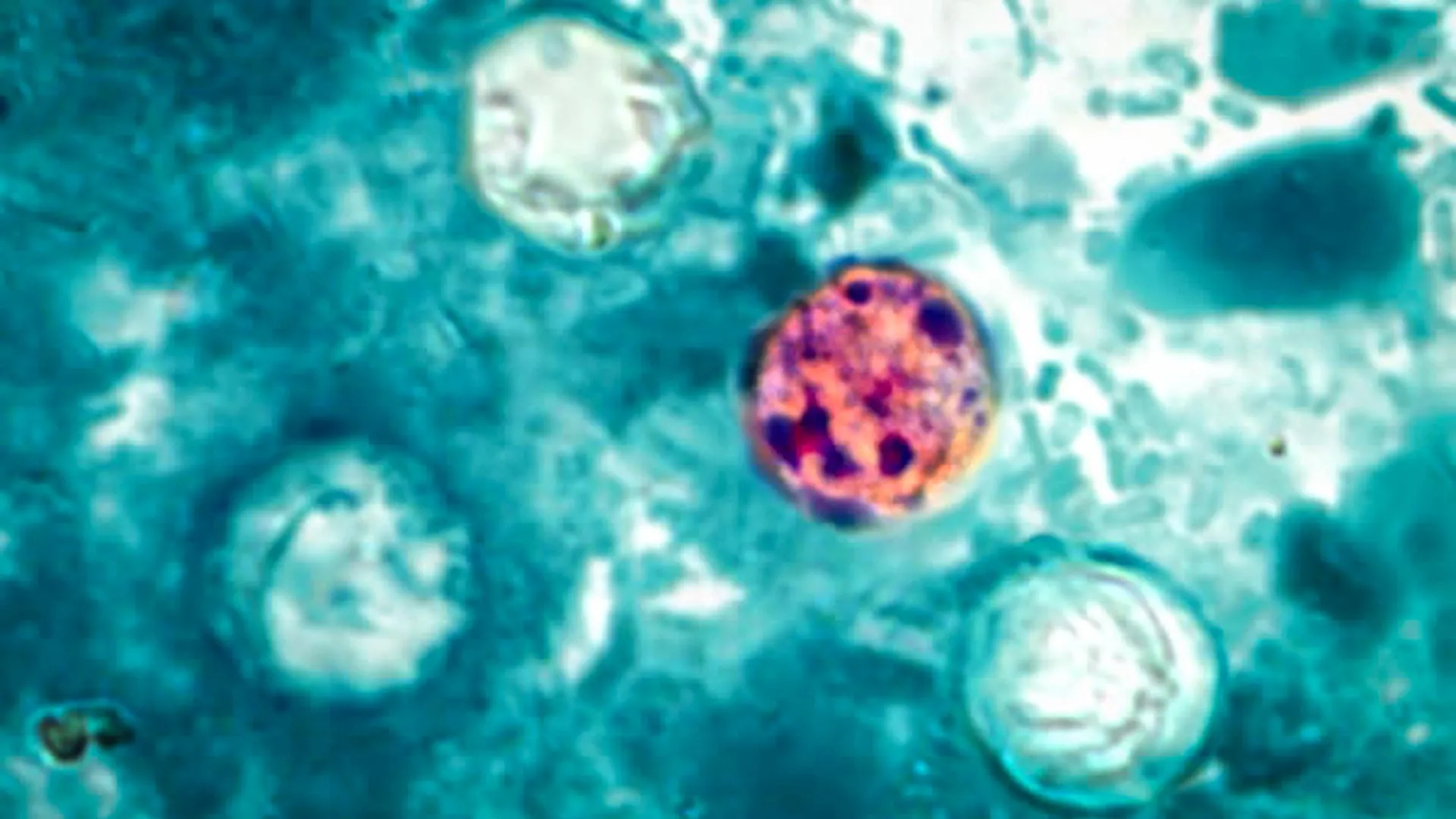
A Cyclospora outbreak has sickened more than 400 people in four states, and federal investigators have not yet identified the contaminated food behind it. The U.S. Centers for Disease Control and Prevention says the count is likely an undercount, meaning more people and possibly more states may be affected.
The CDC says it is working with state public health agencies, regulatory officials and the U.S. Food and Drug Administration on several cyclosporiasis investigations. A large multistate outbreak has been reported in Michigan, Ohio, West Virginia and Kentucky, according to the agency.
As of July 13, more than 400 Cyclospora infections tied to the outbreak had been reported to the CDC. People linked to the outbreak reported becoming ill on or after June 22, 2026, the agency says.
Investigators still looking for the food source
The CDC says no specific food has been confirmed as the cause. Public health officials are interviewing people who became sick about what they ate before symptoms began, with the goal of finding common foods that could point to the source.
The agency says investigators are collecting information about patients, including demographic details and food histories. People diagnosed with cyclosporiasis may hear from local or state health officials, who may ask what they ate during the two weeks before they became ill.
Federal and state officials are also investigating other clusters of cyclosporiasis around the country, the CDC says. The agency says it has been concerned by an increase in cases since early May.
Why the official count may miss cases
The CDC says the real number of illnesses is probably higher than the confirmed tally. Some people recover without medical care and are not tested for Cyclospora, while newer illnesses can take weeks to be linked to an outbreak.
The agency also says the outbreak may extend beyond the four states where cases have already been identified. Additional illnesses are under investigation, according to the CDC.
Cyclosporiasis is usually not life-threatening, the CDC says, but some people can become seriously ill and require hospitalization. The agency advises people with possible symptoms to contact a healthcare provider.
What patients and doctors should do
The CDC says symptoms can vary and usually begin about one week after infection, though they may appear as early as two days or after two weeks or more. Without treatment, symptoms may last for several days, a month or longer, according to the agency.
People diagnosed with cyclosporiasis can help investigators by providing detailed answers about recent meals and foods, the CDC says. The agency says that information can help officials trace the contaminated product.
- The CDC advises people with symptoms to seek medical care.
- The agency says patients contacted by health officials should share detailed food histories.
- Healthcare providers should report cyclosporiasis cases to local health departments, according to the CDC.
- Consumers can monitor CDC information on food recalls and outbreaks.
The CDC also directs the public to its guidance on preventing cyclosporiasis and its information on symptoms. Clinicians can consult the agency’s clinical care guidance for treatment and patient management information.
This story draws on original reporting from ScienceDaily.