
Australia detects H5N1 in wild birds for first time
Officials confirmed H5N1 in two seabirds in Western Australia, putting farms and wildlife managers on alert for possible spread.
By Priya Raghavan · Science Reporter
4 min read
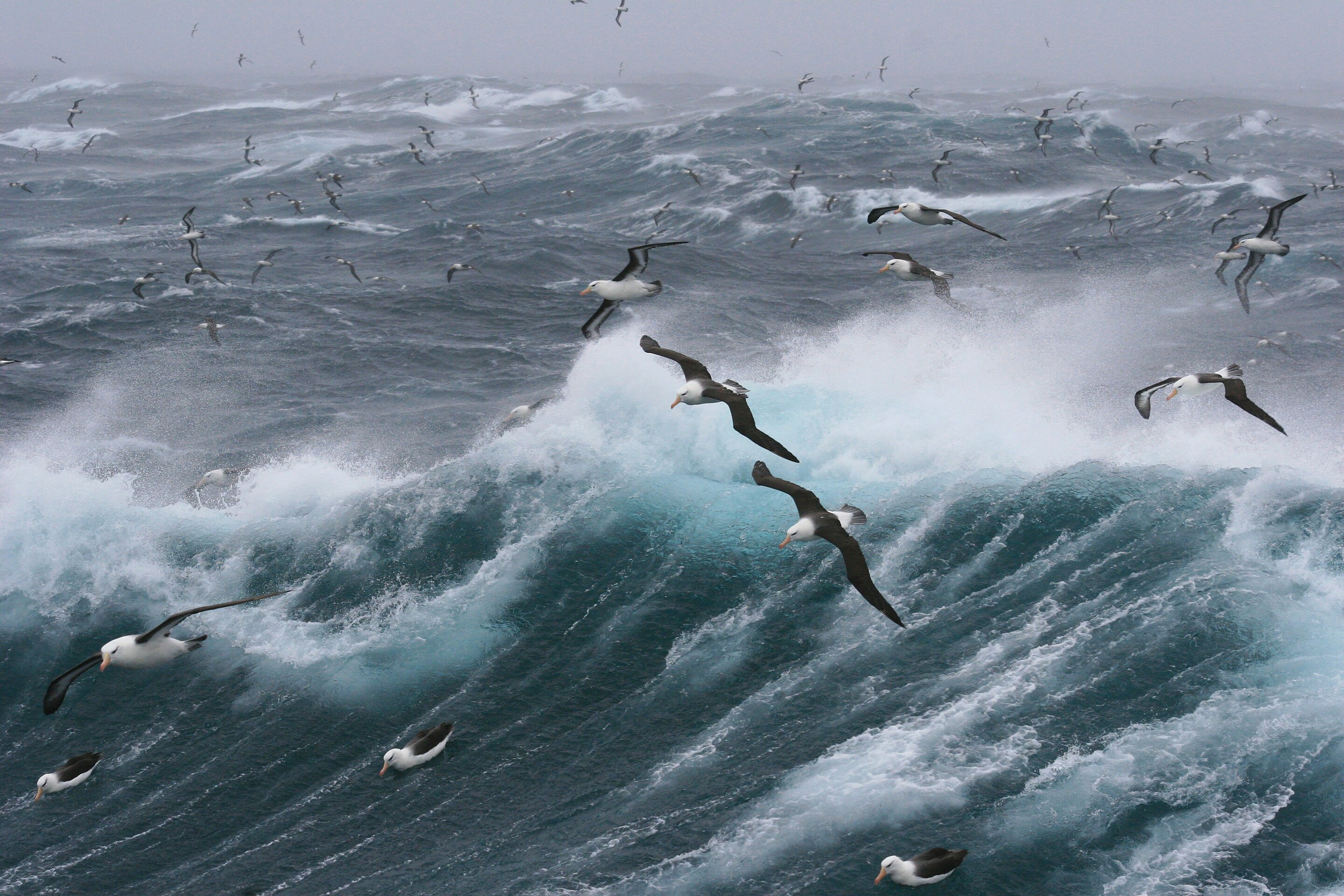
Australia has confirmed highly pathogenic H5N1 bird flu in wild birds for the first time, ending its status as the last continent without the globally circulating strain. The finding matters because the same strain has caused severe losses in poultry and wildlife overseas, according to The Conversation researcher Jane Younger.
The Australian Centre for Disease Control said testing found HPAI H5N1 in a brown skua and a giant petrel near Esperance, Western Australia. Younger wrote that both species are Southern Ocean seabirds, and that the strain has been identified as clade 2.3.4.4b.
According to Younger, the next few weeks will show whether the detections remain isolated or mark the start of a wider outbreak. Since 2021, she wrote, the strain has spread across every continent except Australia and has killed millions of wild animals and poultry over the past five years.
How the virus may have arrived
Younger said the bird species involved offer an early clue about the route into Australia. Brown skuas and giant petrels travel long distances across the Southern Ocean and may feed on infected carcasses, she wrote.
The detections in Western Australia suggest the virus may have reached the mainland through Southern Ocean wildlife movements rather than northern migratory shorebird routes, according to Younger. She said genetic sequencing will be needed to compare the Australian samples with viruses found at Heard Island, Antarctica, South America or other locations.
The strain spreads through contact with infected animals or contaminated environments, including carcasses, according to the Australian Centre for Disease Control guidance cited by Younger. Colony-nesting birds such as gannets, terns and albatrosses are exposed because they gather in dense groups, while scavengers such as Tasmanian devils may face risk from feeding on infected remains, she wrote.
Farms on alert, but no farm cases reported
No H5N1 cases have been detected on Australian poultry or dairy farms, according to the federal Department of Agriculture, Fisheries and Forestry. Younger wrote that poultry producers are being urged to follow government biosecurity guidance, including reducing contact between domestic and wild birds, protecting feed and water, and reporting unusual sickness or deaths.
In the United States, the same virus has damaged poultry and dairy operations and led to culling of commercial flocks, according to The Conversation. Younger wrote that Australia is dealing with a different challenge from earlier bird flu outbreaks because this strain infects a broader range of species and can spread quickly.
The risk to people is currently low, according to the Australian Centre for Disease Control. Human infections are rare and usually involve direct or indirect exposure to infected animals or contaminated places, including farms, live poultry markets or beaches where sick or dead birds and marine mammals are present, Younger wrote.
Wildlife response expands
Younger identified Australian fur seals and colony-nesting seabirds, including terns, gannets and albatrosses, as wildlife of concern. She also named Tasmania’s shy albatross and the yula, or short-tailed shearwater, as vulnerable species.
Freshwater birds such as ducks could spread influenza viruses through water, according to research cited by Younger. For critically endangered species such as orange-bellied parrots, she wrote, even a small number of deaths could threaten the species.
Australia has had a national H5N1 task force since 2024, according to the Department of Agriculture, Fisheries and Forestry. Younger wrote that the group is jointly led by the National Emergency Management Agency and federal agriculture, environment and health departments, and has run outbreak exercises and expanded surveillance.
Younger said surveillance should now focus on seabirds, wetlands, scavengers, marine mammals, backyard poultry and commercial poultry, with rapid sequencing of positive samples. She also wrote that wildlife managers may need plans for highly vulnerable populations and could consider tools such as vaccination if the outbreak worsens.
Authorities advise the public to report sick or dead birds or marine mammals to the Emergency Animal Disease Hotline at 1800 675 888. Younger wrote that people should avoid touching sick or dead animals, keep dogs away from carcasses, note locations and take photos only from a safe distance.
This story draws on original reporting from Phys.org.