
Young adult vegetable links differ by sex, study finds
Edith Cowan University researchers report legumes in men and cruciferous vegetables in women were tied to lower early cardiometabolic risk.
By Priya Raghavan · Science Reporter
2 min read
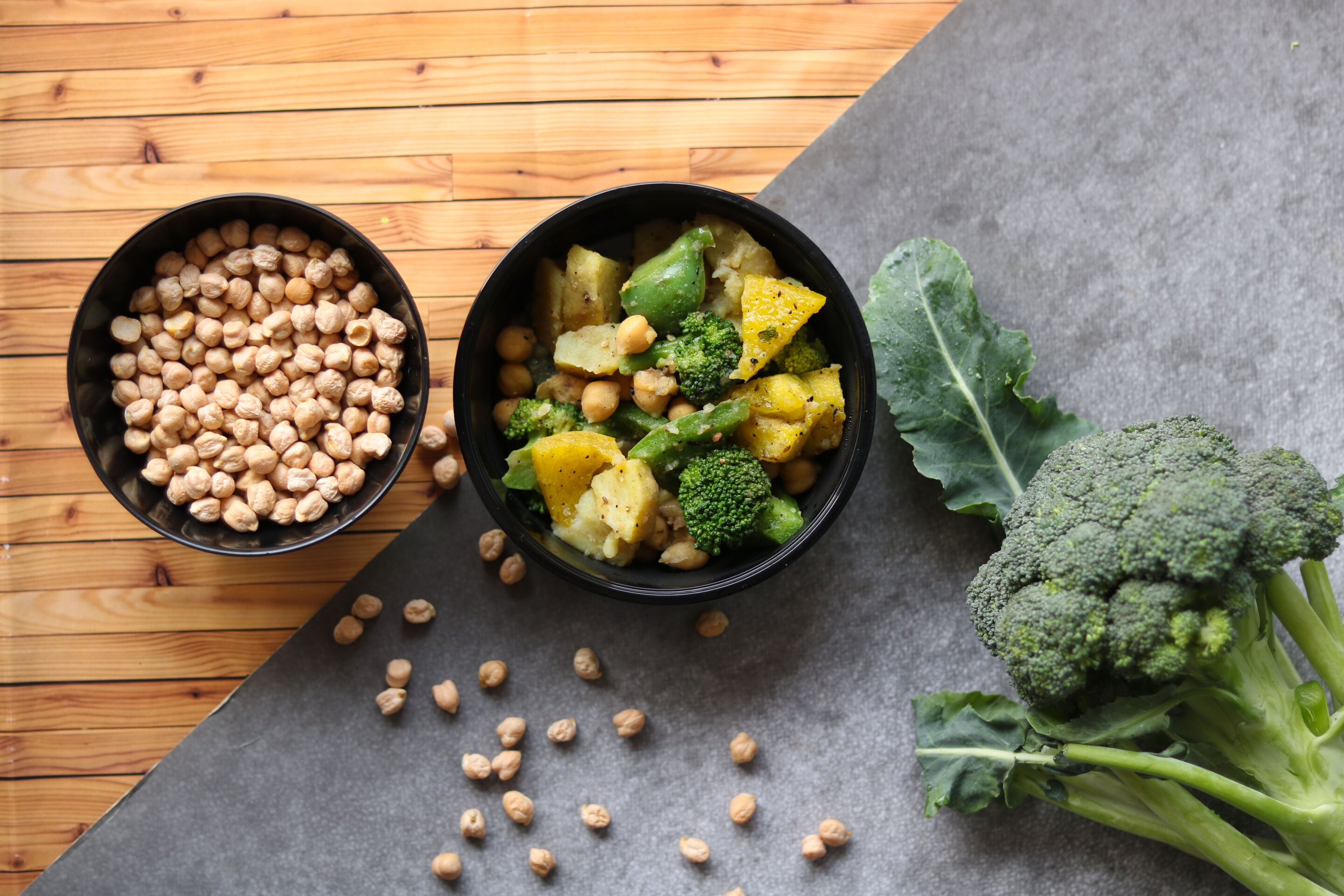
Young adults may not get the same health signals from the same vegetables, according to research from Edith Cowan University. The study matters because it found early markers for heart disease and type 2 diabetes were already present in a notable share of people in their early 20s.
The research, published in Nutrition, Metabolism and Cardiovascular Diseases, examined data from the Western Australian Raine Study, ECU said. Researchers reported sex-based differences in how intake of certain vegetable groups was associated with early cardiometabolic risk.
According to ECU, young men who ate more legumes, including beans, lentils and peas, were significantly less likely to show early warning signs of heart disease. Young women who ate more cruciferous vegetables, such as broccoli, cauliflower and cabbage, were significantly less likely to show early signs linked to diabetes and heart disease.
Lead researcher Neal McNamara said the findings suggested that vegetable type may matter as well as total vegetable intake. “Beans for blokes and broccoli for women stood out as the real winners,” McNamara said.
Early risk markers in young adults
The researchers assessed indicators that can point to later chronic disease risk, ECU said. Those measures included waist circumference, blood pressure, cholesterol, triglycerides and blood sugar.
Associate Professor Therese O’Sullivan of ECU’s Nutrition and Health Innovation Research Institute said such risk factors can appear earlier than many people expect. ECU said nearly one in five participants already had multiple risk factors despite being young adults.
The study also found that adding one daily serving of the relevant vegetable group was linked with much lower health risk, according to ECU. The university described the finding as encouraging because legumes and cruciferous vegetables are relatively low-cost foods and are already common in many Australian diets.
Possible biological explanations
O’Sullivan said the results may reflect differences in how men and women process nutrients and plant compounds. She said compounds in legumes may have a stronger effect on testosterone, while compounds in cruciferous vegetables may have more influence on hormones including estrogen and progesterone.
The findings are associations, not proof that the vegetables directly caused the lower risk markers. ECU said researchers believe the results support further long-term dietary trials to test the relationships over time.
The work drew on the Raine Study, which ECU described as a 37-year research project tracking detailed health, diet and biological information from participants since before birth. Dr. Blekkenhorst said dietary choices in the 20s can matter for future health and that eating these vegetables daily could make a difference over the long term.
This story draws on original reporting from Medical Xpress.