
Women's soccer injury prediction study points to cumulative fatigue
Researchers using FC Barcelona Femení data found 21-day workload was the strongest signal for non-contact injury risk.
By Priya Raghavan · Science Reporter
3 min read
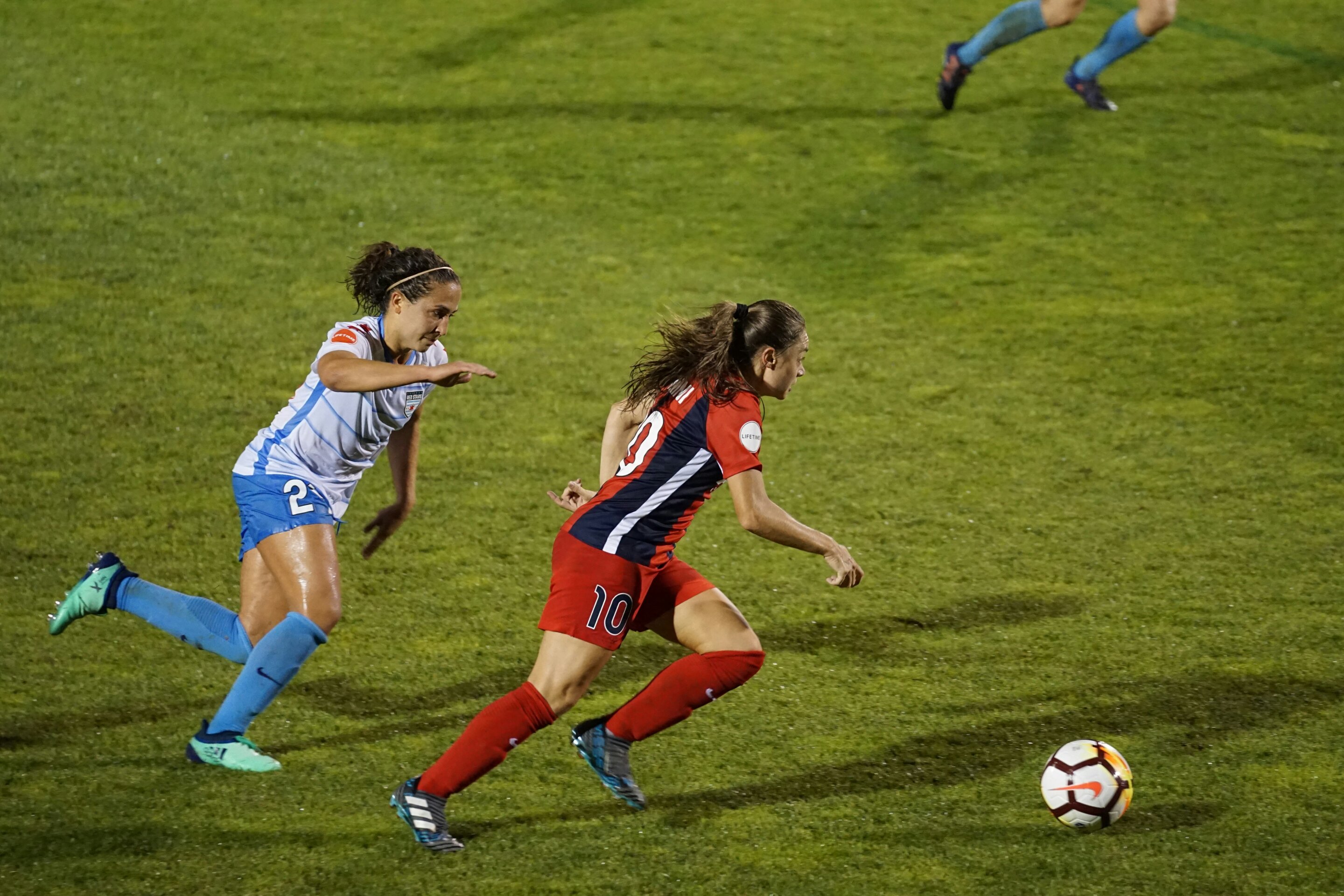
A women's soccer injury prediction study using four seasons of FC Barcelona Femení data found that cumulative workload was the strongest signal linked to non-contact musculoskeletal injuries. Researchers led by the Barcelona Institute for Global Health and the University of Bonn say the approach could make injury-risk estimates more useful for medical and coaching staff.
The work, published in npj Digital Medicine, was conducted with participation from the Barça Innovation Hub, FC Barcelona's medical department and Made of Genes. The team built a computer-based framework that combines artificial intelligence, survival analysis, statistical calibration and decision theory.
What did the women's soccer injury prediction study find?
The researchers reported that distance accumulated over the previous 21 days was the most important predictor of injury risk. High-speed running intensity ranked next, followed by accelerations and decelerations on the same day.
According to the study, those findings support the view that fatigue built up over time is a central mechanism in non-contact injury risk. The injuries examined were musculoskeletal injuries that did not result from player-to-player contact.
The dataset covered FC Barcelona Femení from 2019 through 2023. It included 34 players, nearly 14,000 daily observations and 83 non-contact musculoskeletal injuries, along with GPS data, training load, minutes played, competitions, international appearances and injury duration.
How the model differs from earlier AI injury tools
The research team said many previous AI injury models used in sports have practical limits. They often do not account for the way risk rises with more playing time and physical exertion, and they may treat minor and severe injuries too similarly when estimating outcomes.
The new framework treats injury prediction as a survival analysis problem. Survival analysis estimates the chance that an event will happen over time; in this case, it measures the probability that a player will be injured as exposure to training and matches accumulates.
The researchers also used statistical calibration so the model's probabilities would better match real injury rates. Decision theory was added to help staff set risk thresholds for resting a player, depending on the situation.
The framework includes a Rest Benefit Certainty indicator, or RBC, which the authors describe as a way to define how certain staff want to be before recommending rest. The goal is to turn a risk score into a more practical recommendation about whether a player should train, play or pause.
How well did the system perform?
The study found that survival-analysis-based models performed better than traditional machine-learning approaches previously used for injury prediction. Higher predicted probabilities were more often linked with actual injuries, while lower probabilities more often matched periods without injury, according to the authors.
The researchers said calibration also addressed a problem seen in earlier models: underestimating injury risk. More reliable probabilities made the results easier for medical staff to interpret.
When the system was tested on data from a season that had not been used to train the model, the cumulative downtime from correctly predicted injuries was greater than the number of days incorrectly classified as injury days. The authors said that result suggests such tools could help reduce injuries and keep more players available during a season.
Juan R. González of ISGlobal, who also advises Made of Genes, said the framework allows researchers to rank and calibrate injury-risk factors and measure the role of cumulative fatigue. Manuel Huth of the University of Bonn, the study's first author, said adding decision theory helps adapt risk thresholds to the sporting context.
The authors said the method could apply beyond elite soccer as wearable sensors become common in amateur sports and physically demanding jobs. They did not report clinical use outside the FC Barcelona Femení dataset.
This story draws on original reporting from Medical Xpress.