
White paper backs embryo models for infertility research
Experts say stem cell-based embryo models could help study early human development while keeping human embryo limits in place.
By Tom Brennan · Health & Medicine Correspondent
3 min read
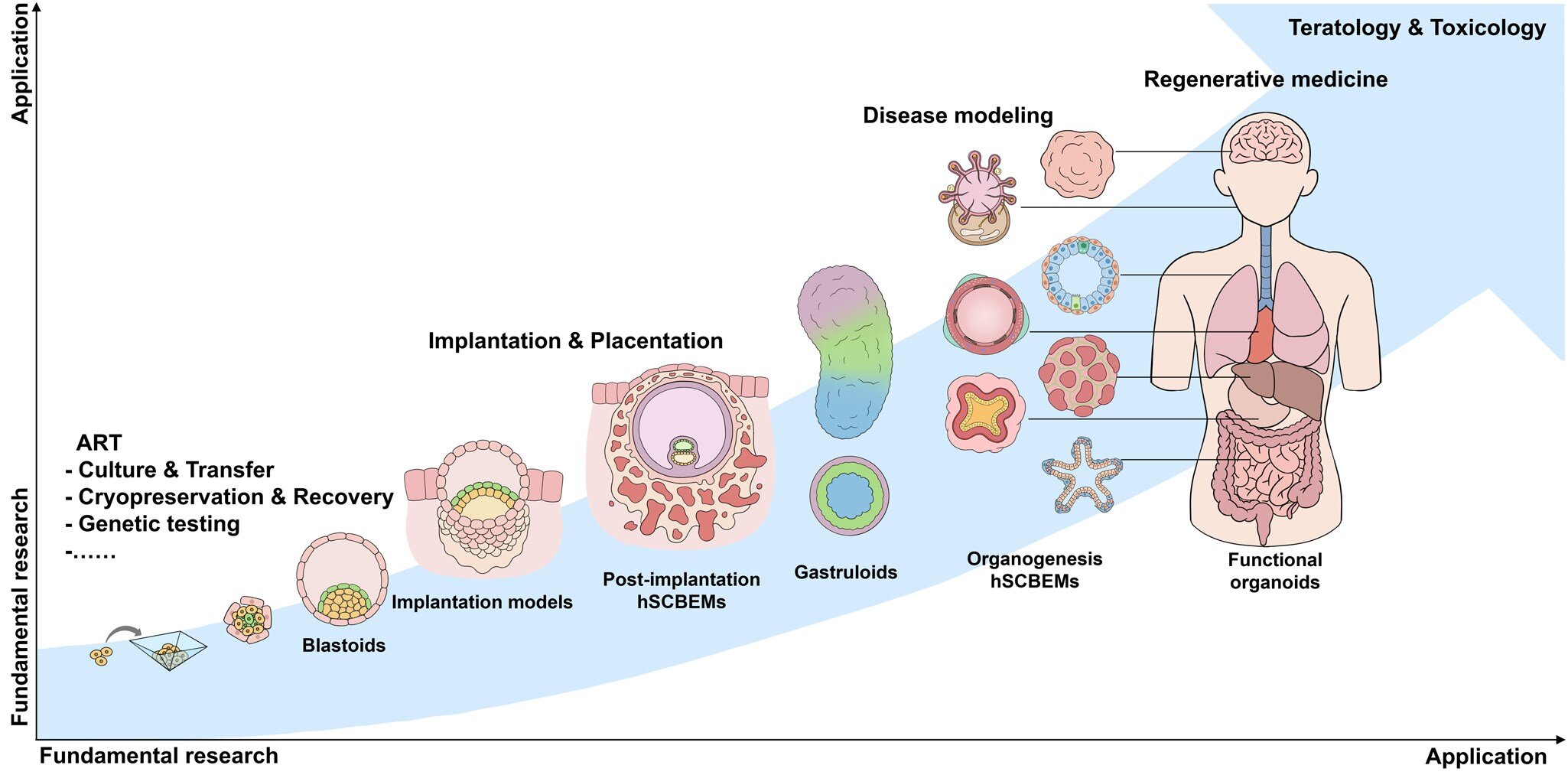
An international group of embryology and bioethics experts has published what Pompeu Fabra University says is the first white paper on using stem cell-based embryo models in reproductive biology. The paper argues that the models could help researchers study early human development and infertility in ways that donated human embryos cannot under the 14-day research limit.
The white paper, published in Human Reproduction, was coordinated by Alfonso Martínez-Arias, an ICREA researcher and professor emeritus at Pompeu Fabra University in Barcelona. According to the university, the document brings together developmental biology, bioethics and legal considerations, and sets out proposals for how these models should be used and regulated.
Infertility affects an estimated 48 million couples worldwide, and 1 in 6 people of reproductive age experience fertility problems at some point, according to figures cited by Pompeu Fabra University. Assisted reproduction has led to more than 10 million births worldwide over the past three decades, but researchers still do not fully understand why only about 1 in 3 fertilized human eggs develops beyond the third week, the university said.
The gap after implantation
Martínez-Arias said researchers know much more about the first week of human embryonic development than the period that follows, when the embryo implants in the uterus. Ethical and legal limits prevent researchers from extending embryo culture far enough to examine the third week in detail, he said, according to Pompeu Fabra University.
That period includes gastrulation, a developmental process in which the embryo becomes organized for later organ formation. Martínez-Arias said many cardiovascular and metabolic conditions, as well as some limb malformations detected after birth, have origins during this stage, according to the university.
The 14-day rule bars laboratory culture of human embryos beyond that point, and research embryos usually come from surplus embryos donated by assisted reproduction clinics, Pompeu Fabra University said. That supply is limited and subject to ethical rules that block direct study of gastrulation.
Models need standards
Stem cell-based embryo models are laboratory-made embryo-like structures created from cells that can develop into any cell type in the body. Pompeu Fabra University said these models offer an alternative for studying early development, although human models have not yet advanced past the earliest phases of gastrulation; comparable work in monkeys can already mimic that process.
The white paper grew out of discussions among specialists from several fields at a November 2024 meeting at the Institut Pasteur in Paris, according to the university. The experts said the models will need to be reliable and reproducible, and used under a legal framework that permits meaningful research.
The paper calls for strong standardization before the models can support clinical practice or the development of tools to improve assisted reproduction, Pompeu Fabra University said. The authors said differences in methods and stem cell lines now make findings from different models difficult to compare with human embryos.
The experts also argue that embryos and embryo models should not be regulated in the same way, according to the university. Martínez-Arias said the 14-day limit for human embryos should remain, while stem cell models could serve as a substitute for embryos in research on a period when many diseases begin.
The white paper sets clear restrictions for the models, Pompeu Fabra University said. The authors say they must not be transferred into the uterus of a human or any animal, should be cultured only as long as a study requires, and should remain under ethics committee oversight with transparent public communication.
This story draws on original reporting from Medical Xpress.