
Thigh length diabetes risk tool aims to flag hidden cases
DTU researchers built MEDWACS, an online home test that uses thigh length and other measures to screen for diabetes risk.
By Tom Brennan · Health & Medicine Correspondent
3 min read
Researchers at the Technical University of Denmark have developed an online test that uses thigh length diabetes risk signals among several home measurements to help flag possible type 2 diabetes or prediabetes. The tool, called MEDWACS, is meant to encourage people at risk to seek a confirmatory blood test from a doctor.
The Danish Diabetes Association says about 100,000 people in Denmark do not know they have type 2 diabetes, while roughly half a million are estimated to have prediabetes. Type 2 diabetes accounts for 80% of diabetes cases in Denmark, according to the Technical University of Denmark.
Daniel Yoo, a postdoctoral researcher at DTU Sustain and a lead developer of the test, said type 2 diabetes can be diagnosed with a blood test, but people are less likely to ask for one if they do not suspect a problem. The aim of a home risk check is to prompt a medical follow-up, not to replace diagnosis.
How does thigh length relate to diabetes risk?
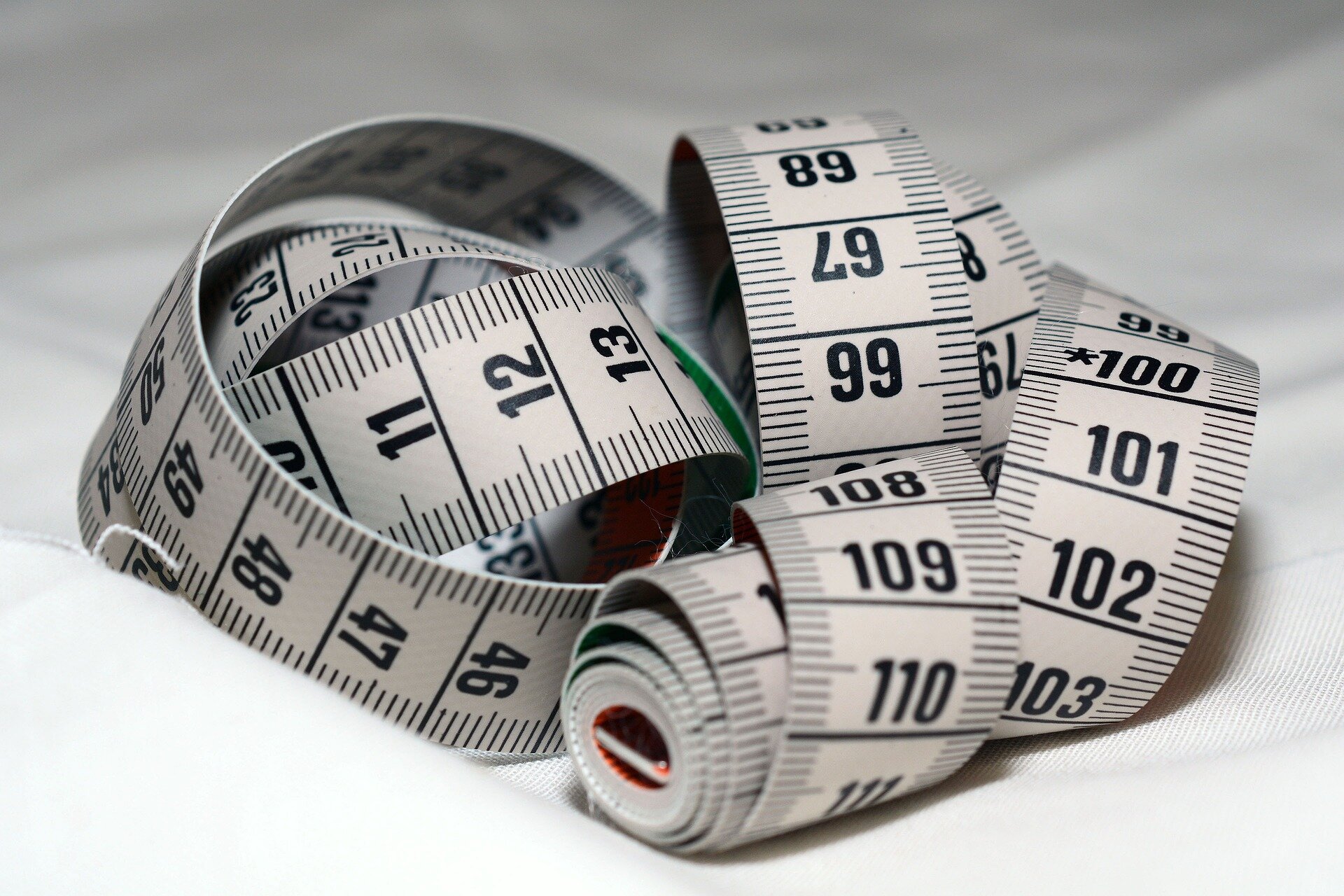
MEDWACS uses seven factors selected by the research team from nearly 3,700 possible variables. The factors can be measured at home with ordinary tools such as a tape measure, a scale and a standard blood pressure monitor, according to DTU.
The most unusual measure is upper-leg length. Umberto Maggiore, an Italian kidney specialist who worked on the project, told DTU that femur length can reflect nutrition in early childhood; poor nutrition early in life can slightly limit bone growth and is linked with higher diabetes risk years later.
Maggiore also pointed to the role of the thigh muscles. The thighs contain the body’s largest muscle group, and those muscles help remove sugar from the bloodstream, according to his explanation of the measure’s relevance.
What is the MEDWACS diabetes test?
MEDWACS is a self-assessment tool built with artificial intelligence and health data from the U.S. National Health and Nutrition Examination Survey. DTU said that data covered 30 years and included adults aged 18 and older of both sexes.
The work was carried out by Yoo, DTU professor Olivier Jolliet and Maggiore. Their study, titled “Enhancing prediabetes and diabetes detection through a machine learning-enabled self-assessment approach,” was published in the Journal of Clinical Epidemiology.
The researchers tested MEDWACS against two outside datasets from the United States and South Korea, where diabetes and prediabetes status was already known. DTU said those validations found the tool detected prediabetes or undiagnosed type 2 diabetes at a level matching or exceeding other established screening methods.
Tanja Thybo, head of research and knowledge at the Danish Diabetes Association, described the DTU tool as a promising contribution because it has been checked in multiple populations. She said the association currently uses the Leicester Risk Assessment, a field-friendly method that needs few measurements and has precision comparable with MEDWACS.
Can people in Denmark use MEDWACS?
The researchers believe MEDWACS may be useful for Danes, but it has not yet been validated with Danish population data. Yoo said performance in both U.S. and South Korean populations gives the team confidence, while adding that Danish testing is still needed to know for sure.
The Danish Diabetes Association said earlier detection could help prevent complications including cardiovascular disease, kidney failure and vision loss. DTU also noted that diabetes costs Danish society at least DKK 13.3 billion a year, making earlier identification a public health priority.
This story draws on original reporting from Medical Xpress.