
Stress response may explain why exhaustion does not bring sleep
Researcher Michelle Spear says chronic stress can keep the brain alert at night even when the body is physically worn out.
By Tom Brennan · Health & Medicine Correspondent
3 min read
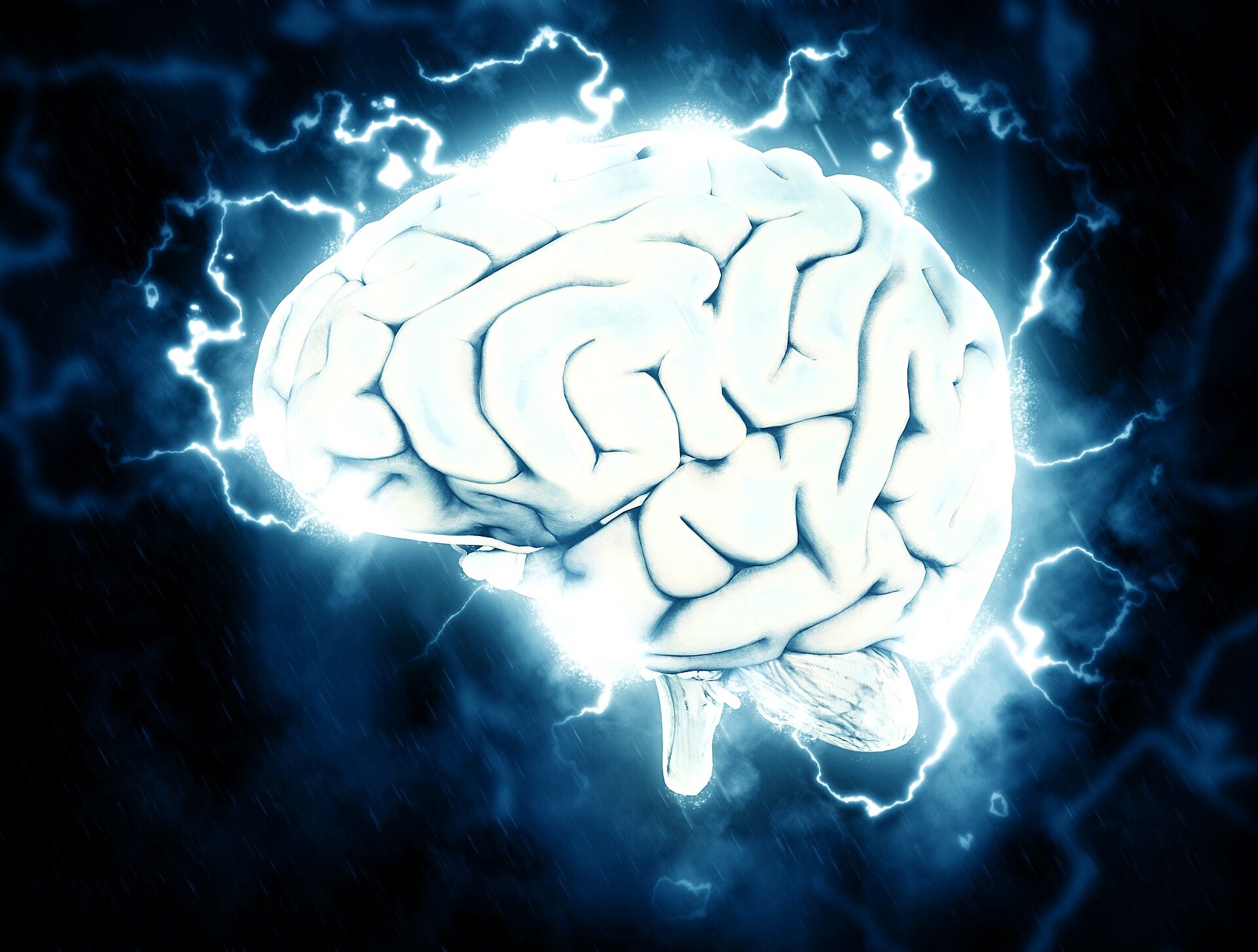
A survival system built for short bursts of danger may help explain why people can feel exhausted while their minds stay active at night. Writing in The Conversation, researcher Michelle Spear says stress can keep the brain in an alert state that blocks the shift into sleep.
Spear describes the familiar “wired but tired” pattern as a mismatch between physical fatigue and mental arousal. The body may need rest, she writes, while the brain continues to scan for problems, replay worries and prepare for perceived threats.
According to Spear, the human stress response developed for immediate dangers such as predators, environmental hazards or conflict. When the brain detects a threat, the amygdala can trigger fight-or-flight physiology, releasing stress hormones including adrenaline and cortisol, raising heart rate and sharpening attention.
That response can help in a brief emergency, Spear says, but it fits poorly with modern pressures that often linger. She points to overflowing inboxes, money worries, work carried home through phones and laptops, social media comparison and frequent notifications as stressors that can keep vigilance running after the day should be over.
Why sleep can be hard to start
Spear writes that sleep is an active biological transition, not just the end of wakefulness. Arousal systems in the brainstem, hypothalamus and forebrain normally help people stay awake during the day, and those systems need to quiet for sleep to begin.
Under long-term stress, she says, the brain may remain in a state of hyperarousal. Even when muscles are tired and the body feels heavy, the mind can keep anticipating, rehearsing and monitoring for danger.
Cortisol is part of that pattern, according to Spear. She writes that cortisol usually rises in the morning to support wakefulness and declines toward night, while chronic stress can disturb that daily rhythm and leave the body more activated in the evening.
Spear also cites studies suggesting that people with insomnia may show higher metabolic and neurological activity while trying to sleep. She compares the pattern to a brain idling too high, with alertness systems still engaged when rest is needed.
Modern habits can add fuel
Artificial light can suppress melatonin, the hormone involved in sleep timing, Spear writes. Smartphones can add stimulation near bedtime, while doomscrolling brings together emotional arousal, novelty and uncertainty, all of which draw attention.
Rumination can extend the stress response, according to Spear. The human ability to revisit the past and simulate the future supports planning and learning, but it can also keep worries active after an immediate problem has passed.
Sleep loss can then make the cycle harder to break, Spear says. She writes that sleep deprivation increases amygdala reactivity and reduces the moderating role of the prefrontal cortex, which is involved in rational control and perspective.
That helps explain why advice to “just relax” often fails for people with insomnia, Spear argues. Hyperarousal reflects biology, hormones, attention networks and learned vigilance, rather than only willpower.
Spear says sleep researchers often link rest with a sense of safety in the brain. She lists steady routines, less evening stimulation, exercise, daylight exposure and limits on late-night screen use as steps that can support sleep signals, and says cognitive behavioral therapy for insomnia has shown strong results by addressing the anxiety-sleeplessness loop.
This story draws on original reporting from Medical Xpress.