
Stress circuit may explain why fear therapy can relapse
A Beckman Institute study in animals links stress signaling between the brainstem, amygdala and prefrontal cortex to impaired fear suppression.
By Tom Brennan · Health & Medicine Correspondent
3 min read
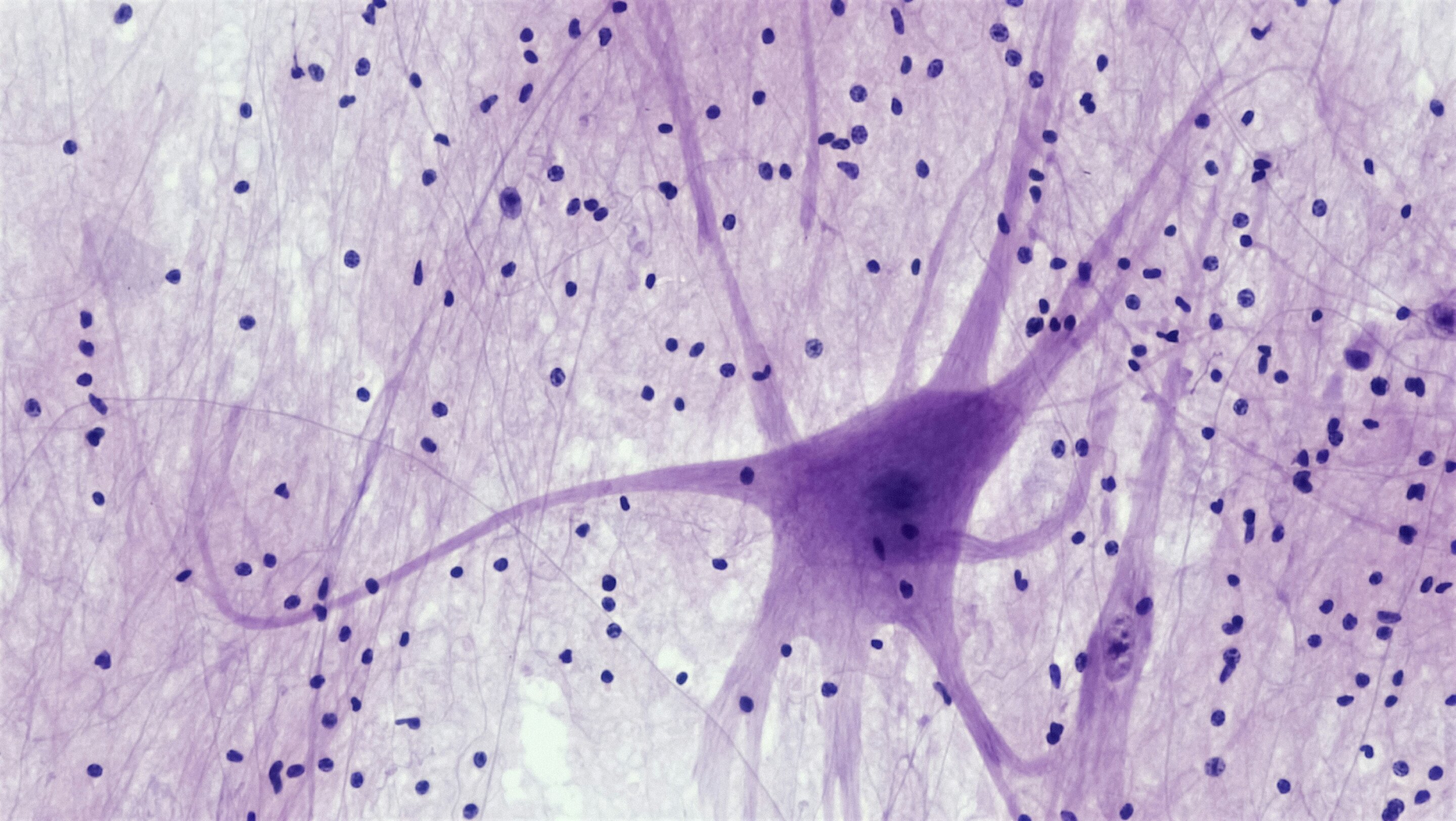
A Beckman Institute research team has identified a brain circuit that may help explain why stress can block the brain from suppressing traumatic fear. The findings, published in the Proceedings of the National Academy of Sciences, point to a pathway that could be relevant to PTSD and relapse after exposure therapy.
The study was led by Steve Maren’s Emotion and Memory Systems Laboratory at the Beckman Institute for Advanced Science and Technology, with postdoctoral fellow Hugo Bayer as first author. The paper examined how three brain regions interact during fear extinction: the locus coeruleus, the basolateral amygdala and the ventromedial prefrontal cortex.
Fear extinction is the process by which a new memory reduces the effect of an older fear memory, according to the Beckman Institute report. In PTSD and other stress-related conditions, that learning process can be disrupted, leaving fear responses harder to control.
Why exposure therapy can lose effect
Bayer said exposure therapy uses controlled, safe contact with a trauma-related trigger to help reduce fear tied to the memory. The Beckman Institute said the treatment can work, but relapse is common and may be linked to stress interfering with extinction learning.
The researchers used animal models to test how stress-related brain activity affects that process. They focused on the locus coeruleus, a brainstem region that supplies norepinephrine; the basolateral amygdala, which is involved in emotional memory; and the ventromedial prefrontal cortex, which helps regulate behavior and fear responses.
According to the PNAS paper, activating the locus coeruleus produced effects similar to a natural stressor. The team reported that this reduced activity in the ventromedial prefrontal cortex and increased freezing behavior, a sign of fear in the animal models.
In a three-part experiment involving fear conditioning, extinction learning and later extinction retrieval, animals with stimulated locus coeruleus activity showed persistently high freezing compared with controls, the researchers reported. The team linked that pattern to reduced prefrontal activity and altered neural dynamics during learning and retrieval.
Amygdala signals were a key step
The Beckman Institute team then tested whether the basolateral amygdala helps carry the stress signal from the locus coeruleus to the prefrontal cortex. When researchers injected the beta blocker propranolol into the basolateral amygdala, it prevented locus coeruleus activation from reducing prefrontal cortex activity and supported extinction learning, according to the study.
The team also examined timing after fear learning. Bayer said animals given extinction training immediately after regular fear conditioning showed an immediate extinction deficit, a pattern the researchers associated with stress levels remaining too high after the fear experience.
When the researchers used weaker fear conditioning, animals did not show that deficit, Bayer said. But when weak conditioning was paired with activation of the locus coeruleus, immediate extinction training again failed to reduce fear behavior over the longer term, according to the Beckman Institute report.
Recordings from neurons showed that locus coeruleus activation combined with weak conditioning excited basolateral amygdala neurons that project to the ventromedial prefrontal cortex, the study reported. Bayer said the team thinks this may create feed-forward inhibition, in which amygdala signals activate inhibitory neurons inside the prefrontal cortex.
The researchers said the work suggests high stress can impair extinction learning when therapy-like exposure occurs too early or while the nervous system remains highly activated. They also said beta receptors in the basolateral amygdala may be possible targets for future approaches to stress-related disorders, including PTSD.
The paper, “Locus coeruleus–amygdala circuit disrupts prefrontal control to impair fear extinction,” was published in PNAS.
This story draws on original reporting from Medical Xpress.