
Stockholm3 blood test finds more aggressive prostate cancers in study
Karolinska Institutet researchers say the Stockholm3 test outperformed PSA in a two-year screening follow-up of men ages 50 to 74.
By Priya Raghavan · Science Reporter
3 min read
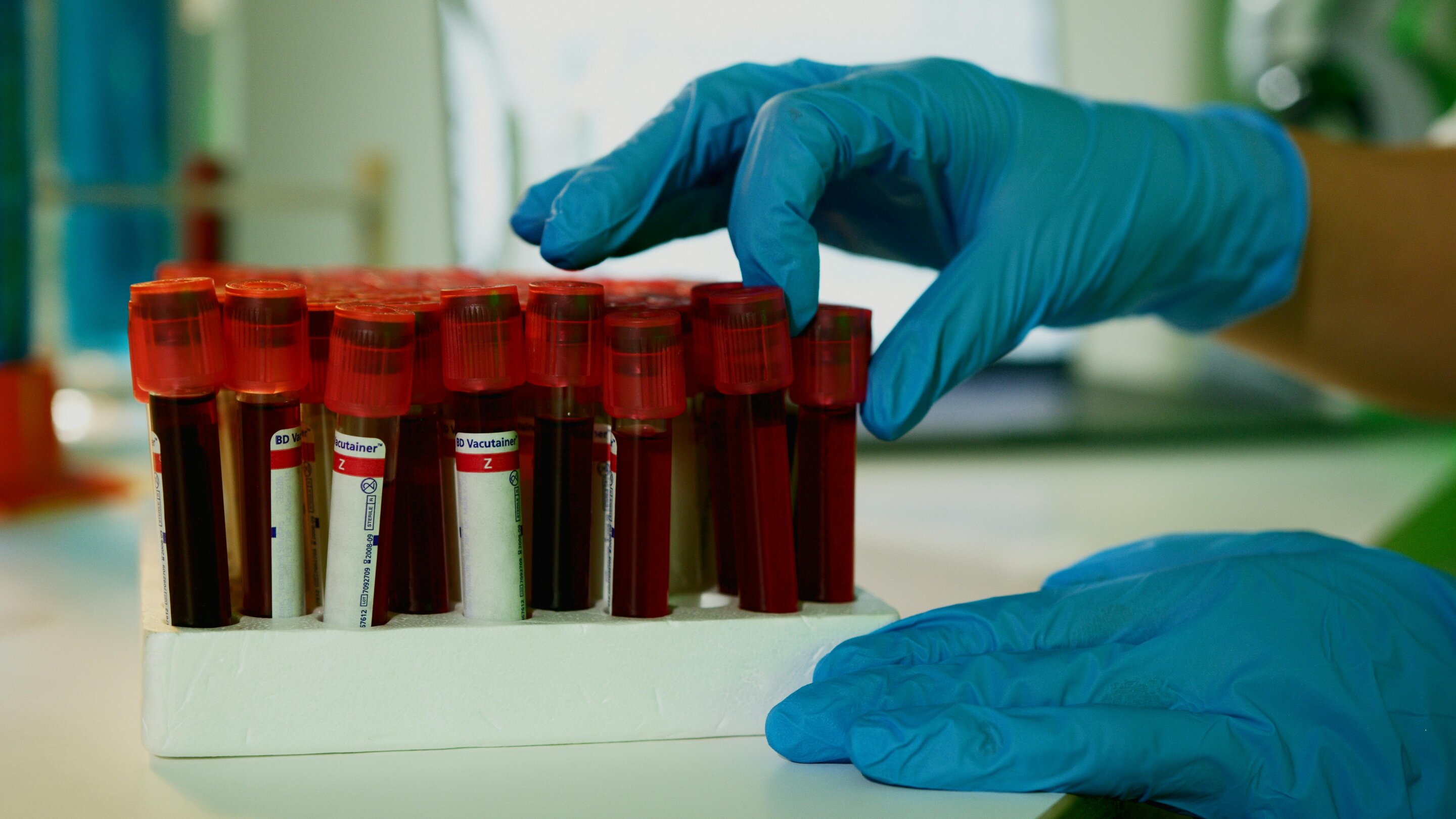
A blood test developed for prostate cancer screening identified more high-risk tumors than the standard PSA test in a large Swedish study. The finding matters because prostate cancer screening has long struggled to catch dangerous disease without sending too many men for avoidable follow-up tests and biopsies.
Researchers at Karolinska Institutet reported that the Stockholm3 test detected 90% of aggressive prostate cancer cases, compared with 74% for PSA testing. The peer-reviewed study was published in the Annals of Internal Medicine.
The study included 12,670 men ages 50 to 74 in Sweden. According to Karolinska Institutet, each participant received both the Stockholm3 blood test and a PSA test, allowing researchers to compare how the two screening methods performed in the same population.
Why PSA testing is under scrutiny
PSA testing has been widely used to look for prostate cancer early, but it can create problems in both directions. Karolinska Institutet said the test can fail to flag aggressive tumors while also prompting further investigations and biopsies in men who do not have clinically significant cancer.
Prostate cancer is among the most common cancers in men worldwide, according to the institute. The central screening challenge is separating cancers likely to cause serious harm from tumors that may not need immediate invasive investigation.
Thorgerdur Palsdottir, a researcher in Karolinska Institutet’s Department of Medical Epidemiology and Biostatistics, said the results show Stockholm3 found more aggressive cancers than PSA without increasing unnecessary follow-ups. The study focused on clinically significant prostate cancer, described by the researchers as aggressive disease.
Two-year follow-up found missed cases
The research was based on the population-based STHLM3-MRI study. Karolinska Institutet said participants were followed for two years through national cancer registries, which allowed researchers to identify cancer cases that initial screening had not detected.
Over that follow-up period, 443 men were diagnosed with clinically significant prostate cancer. The researchers reported that Stockholm3 missed fewer serious cancers than PSA, while the share of men wrongly categorized as high risk was similar for the two tests.
That comparison is central to the study’s conclusion. A screening tool that finds more aggressive disease can still create harm if it also sends many more men into unnecessary testing; Karolinska Institutet said Stockholm3 improved detection without increasing that burden in this study.
Palsdottir said the findings suggest prostate cancer screening could shift toward more precise blood testing, with the goal of catching aggressive disease earlier while limiting follow-up procedures that are not needed. The researchers did not report that Stockholm3 has been proven to reduce deaths from prostate cancer.
Karolinska Institutet said longer follow-up is still needed to determine whether the test affects mortality and other long-term outcomes. The publication is titled “Stockholm3–Magnetic Resonance Imaging Population-Based Prostate Cancer Screening Study: Two-Year Follow-up.”
This story draws on original reporting from Medical Xpress.